


Free educational resources from Language
We learn the letter g
Rate this resource:
Thanks for your feedback!
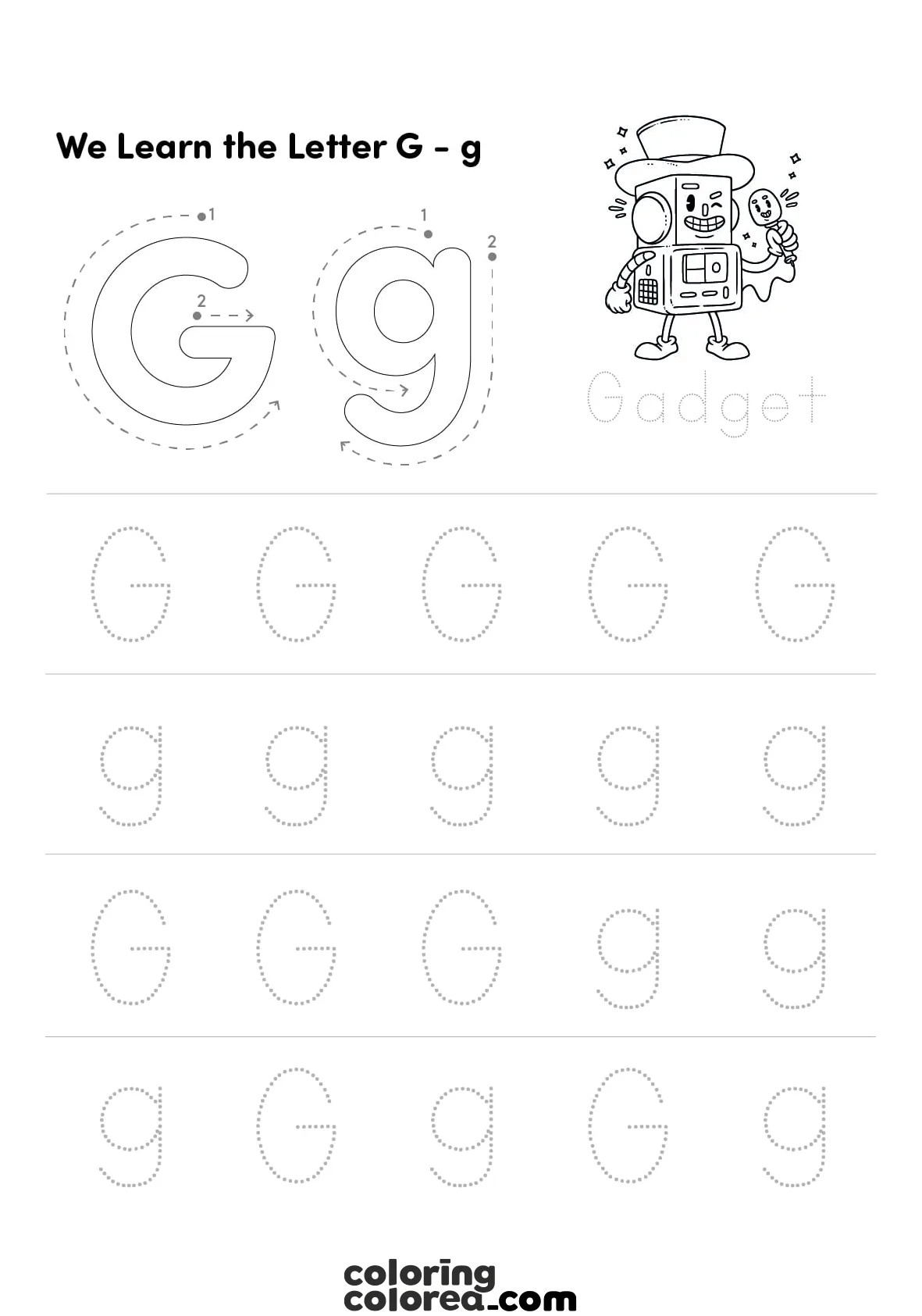
We know that sometimes tracing letters can be a little challenging, but with this worksheet, we’ll turn it into an adventure!
This worksheet focuses on learning to trace the letter G (uppercase and lowercase). A sequenced model for tracing G and g is presented using numbers that indicate the direction, and dotted lines are provided for repetitive practice.
The word “Gadget” has been intentionally included, as it contains both the uppercase G and the lowercase g, facilitating the visual association of both forms within the same context.
-
Format: A4 21x29,7 cm
-
Difficulty: Normal
-
Recommended age: 3 - 5 years
-
Skills: graphomotor skills, Reading and writing
-
Categories: Language
-
Tags:
Otros recursos de la colección letters
We learn the letter l
This worksheet helps children learn to identify, read, and trace the uppercase and lowercase letter “L”.…
We learn the letter k
This worksheet helps children identify, trace, and write the letter “K” in both uppercase and lowercase.…
Learning the Letter J
This worksheet is designed to teach children to recognize, read, and trace the letter J in…
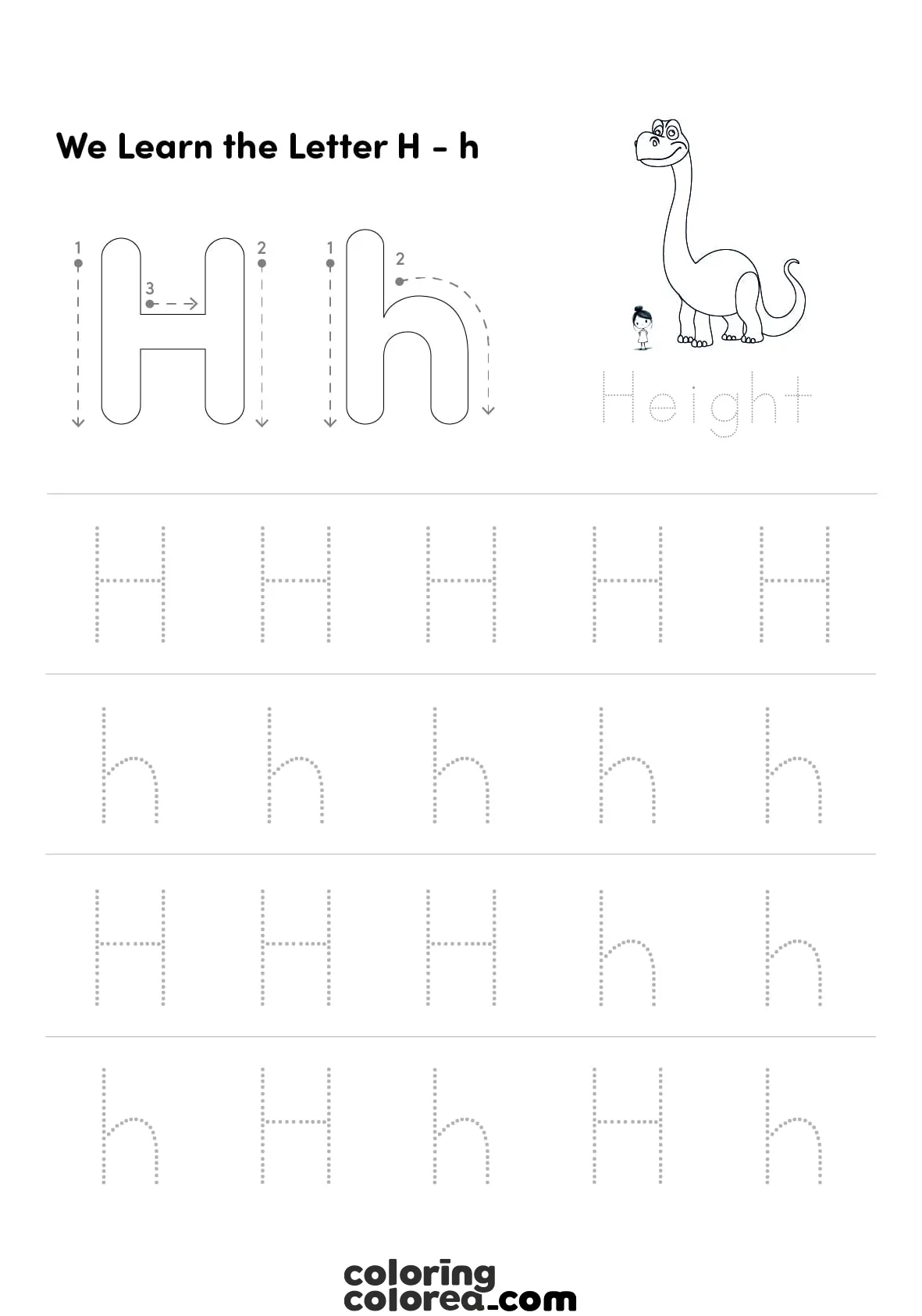
Learning the letter H
This worksheet is designed to help children recognize, identify, and trace the letter H (both uppercase…
More Language educational resources
We learn the letter l
This worksheet helps children learn to identify, read, and trace the uppercase and lowercase letter “L”.…
We learn the letter k
This worksheet helps children identify, trace, and write the letter “K” in both uppercase and lowercase.…
Learning the Letter J
This worksheet is designed to teach children to recognize, read, and trace the letter J in…
Learning the letter H
This worksheet is designed to help children recognize, identify, and trace the letter H (both uppercase…
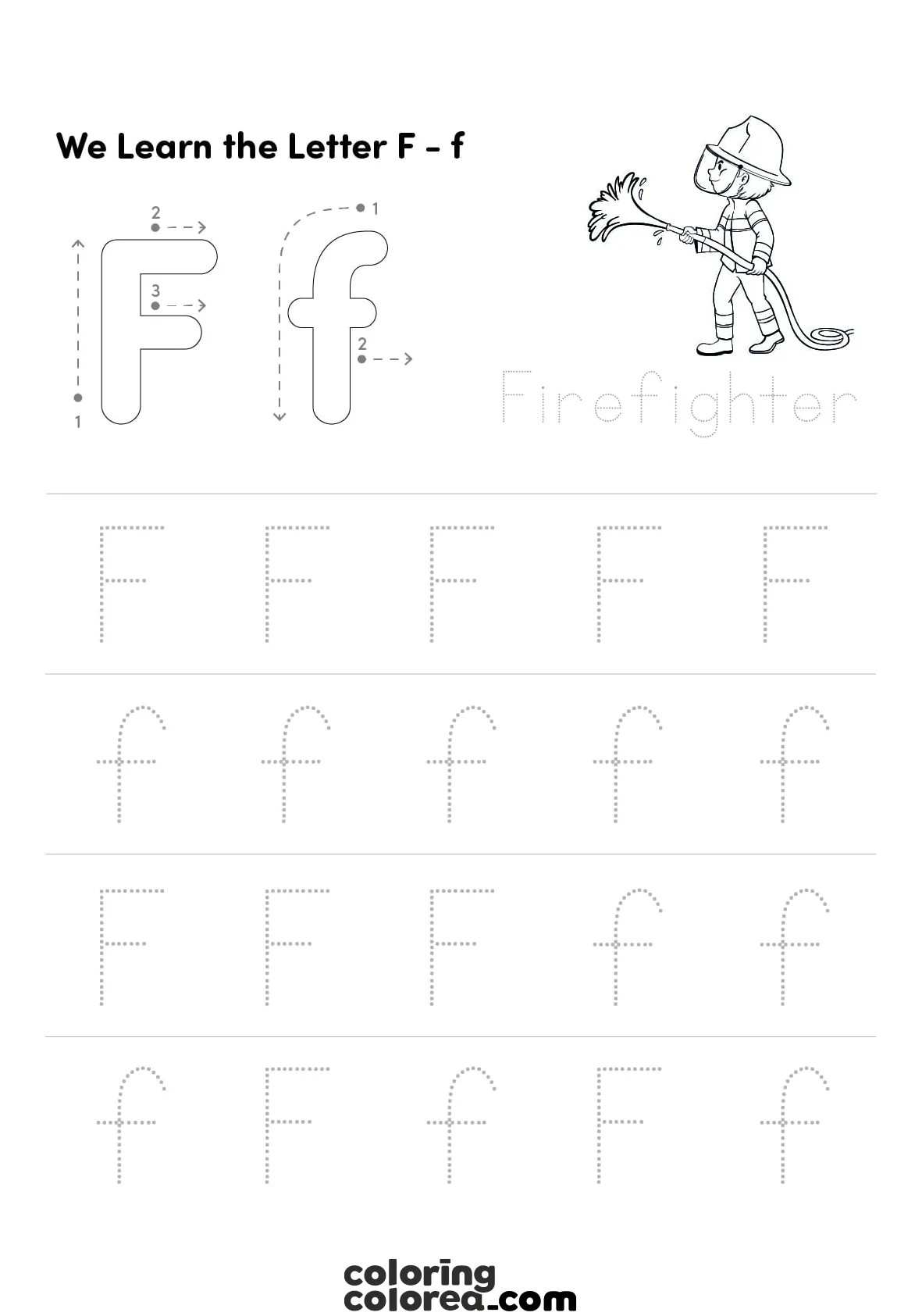
Learning the letter f
The Letter F – f is usually learned between the ages of 4 and 6 as…
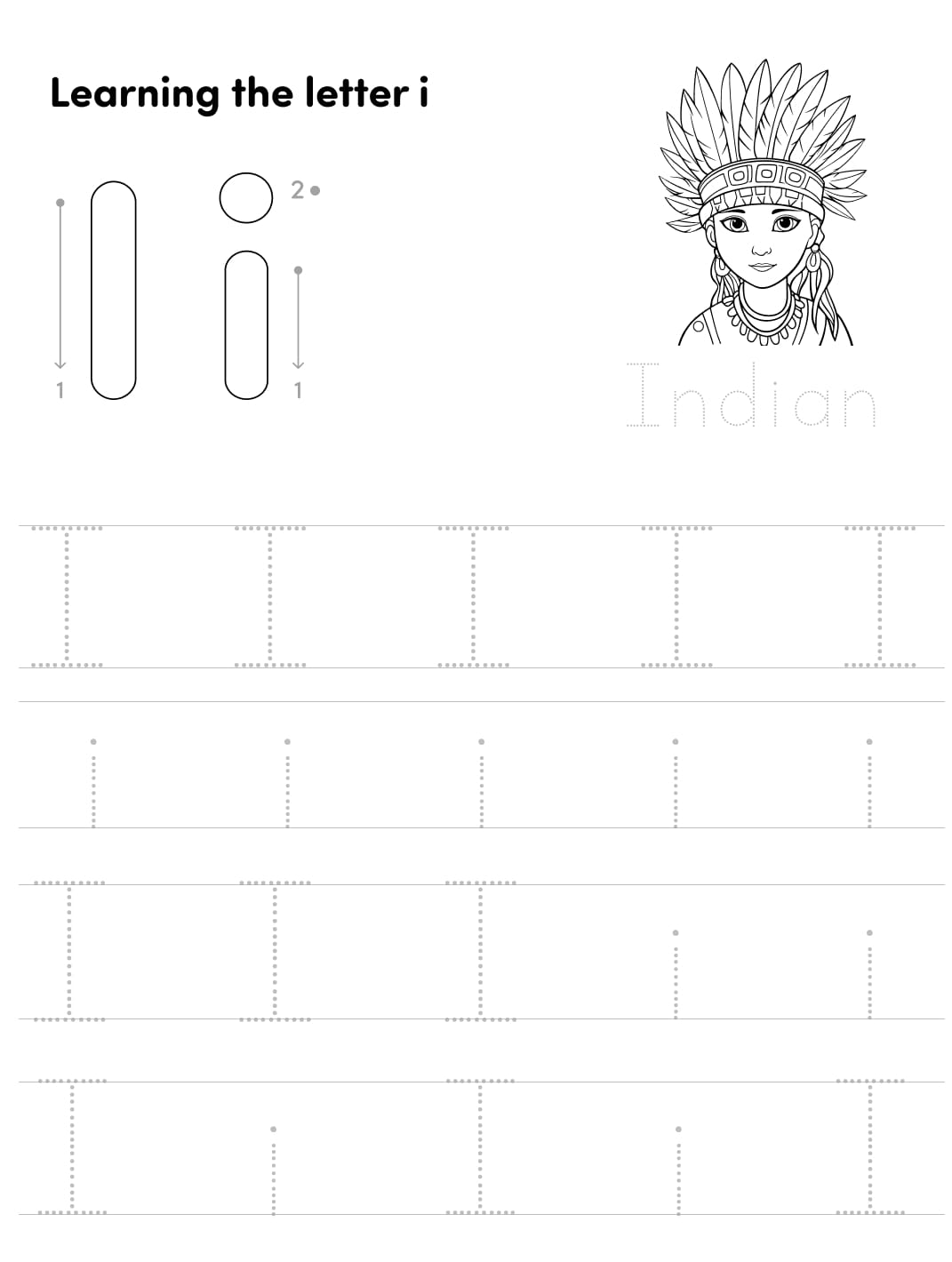
Learning the letter i
Teaching the letter i: Age, context, and learning Teaching the letter i should begin around the…
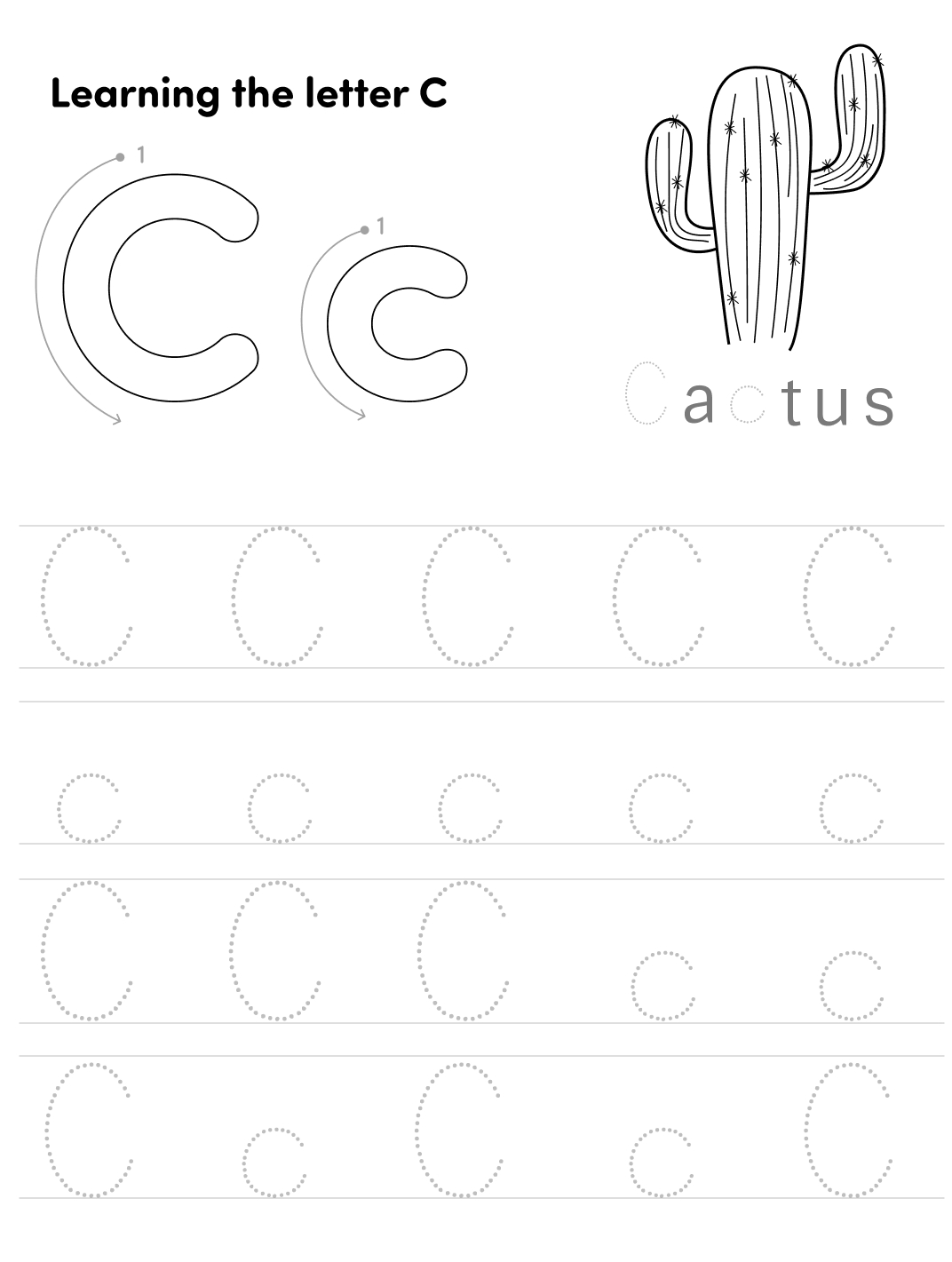
Learning the letter C
Introduce the letter C to pre-school children with tracing and colouring activities. Enhance phonics and motor…
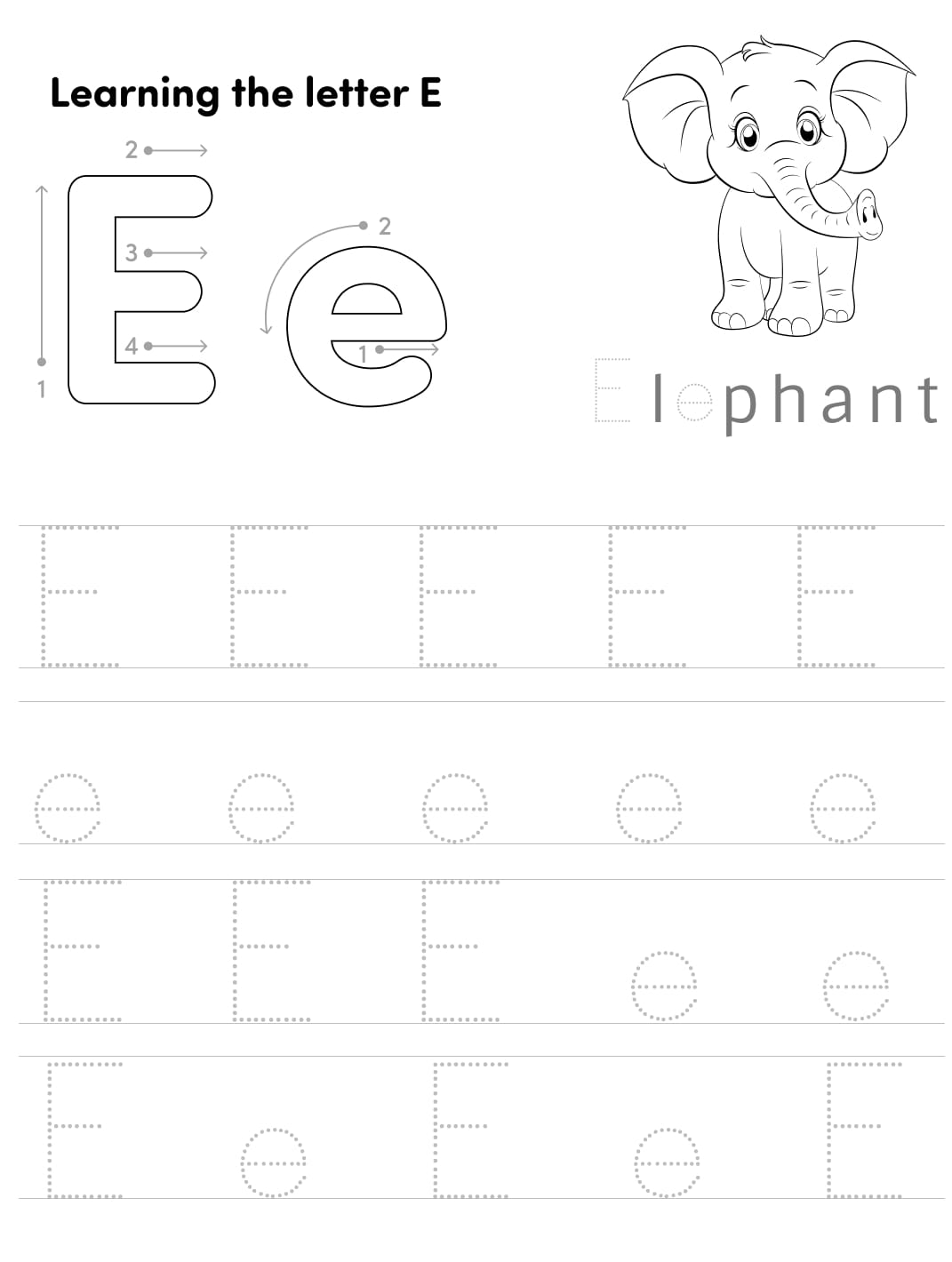
Learning the letter E
The design focuses on children following the dotted lines to correctly trace the letter “E.” Both…
Trazar la letra g minúscula y G mayúscula
- Possible Difficulties:
- Confusion in stroke directionality (uppercase): Some children may reverse the direction of the uppercase G’s semicircle, starting from the bottom or tracing it counterclockwise.
- Solution: Emphasize the importance of following the numbering and arrows on the worksheet. Use the “traffic light” method (green dot for start, red dot for stop) to guide the movement. Trace the letter in the air with the arm, following the correct direction in an exaggerated way.
- Difficulty closing the uppercase G’s semicircle: They may leave the stroke incomplete or overlap it incorrectly.
- Solution: Practice tracing the complete circle first and then stop to form the G. Use analogies such as “drawing a snail that stops halfway.”
- Problems with the curve and loop of the lowercase g: The lowercase g has two distinct movements: a circle and a curved stroke with a loop. Children may have difficulty joining them or forming the loop correctly.
- Solution: Divide the stroke into two parts: first practice the circle, and then, from the starting point, go straight down and form the curve with the loop. Initially, use two different colors for each part of the stroke.
- Confusion with other letters of similar shape: The lowercase g can be confused with the q if the direction of the loop is reversed.
- Solution: Visually compare both letters, highlighting the differences in the position of the circle and the direction of the tail. Use keywords to remember the direction (“the g has a tail that goes down like a hook”).
- Difficulty controlling the pencil and keeping the stroke within the lines: This is a general fine motor skill difficulty that can affect tracing any letter.
- Solution: Carry out prior fine motor skill development activities (modeling, threading, pricking). Use thick pencils with ergonomic grips. Allow frequent breaks if the child gets tired.
- Lack of phonological awareness: If the child does not associate the /g/ sound with the grapheme, there may be less motivation to learn to trace it.
- Solution: Reinforce the sound-letter association through games identifying words that start with G (“What starts with the /g/ sound? Cat!”). Use the word “Gigante” (Giant) from the worksheet as a constant auditory and visual example.
- Confusion in stroke directionality (uppercase): Some children may reverse the direction of the uppercase G’s semicircle, starting from the bottom or tracing it counterclockwise.
General Strategies:
- Positive reinforcement: Celebrate attempts and progress, no matter how small.
- Patience and repetition: Learning to trace requires practice.
- Adaptation: Adjust the activity to the individual needs of each child. Some may need more visual support, others more kinesthetic practice.
- Use of analogies and stories: Create fun stories or comparisons to remember the shape and stroke of the letter.
- Integration into meaningful activities: Incorporate tracing the G in writing simple words or proper nouns that begin with this letter.

Educational resources and colouring pages for kids and adults
Did you like it?
Thank you for visiting ColoringColorea!
Share our site with your friends!