


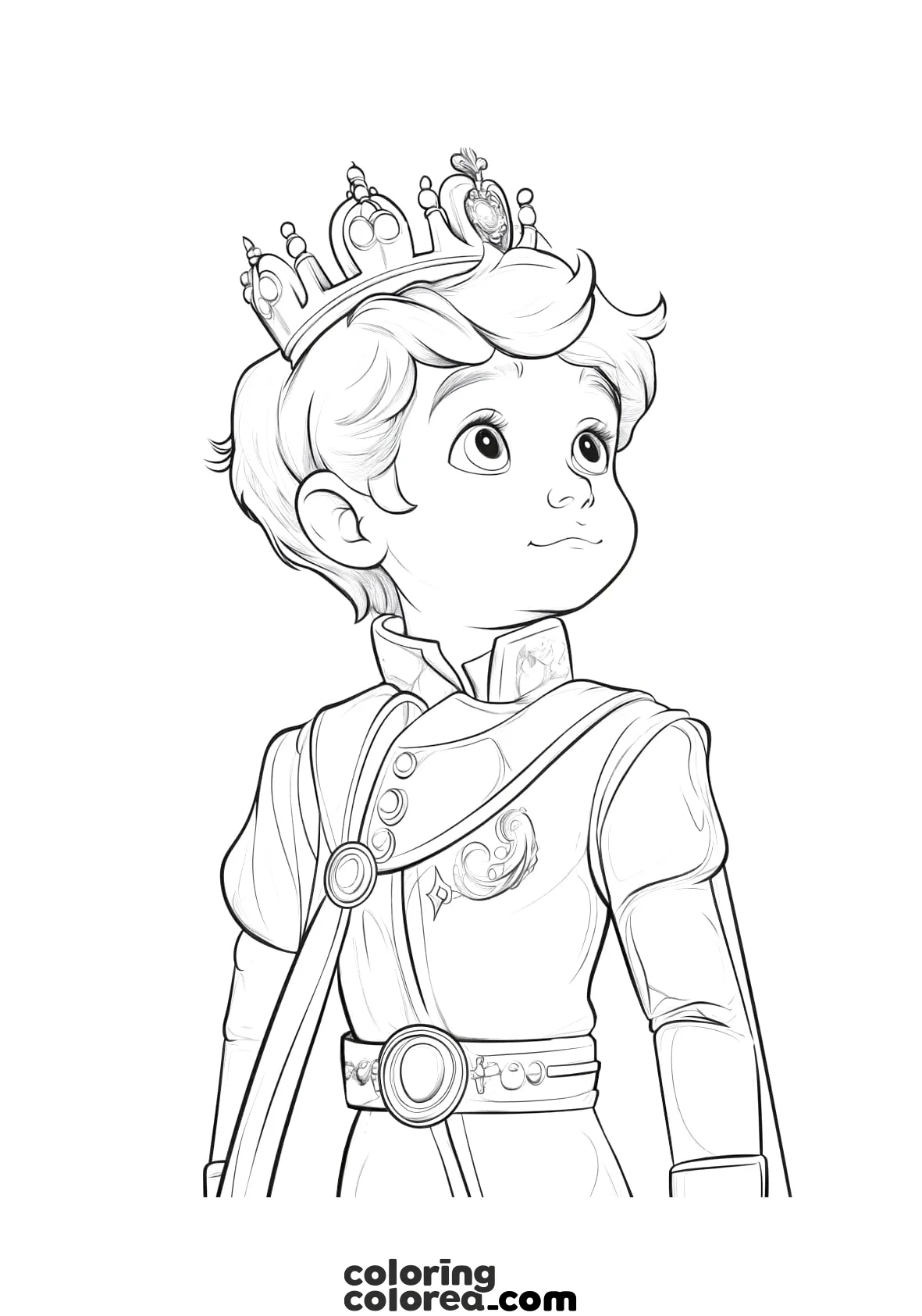
Free coloring pages of Emotions: anger
With this emotions: anger on the page, all that’s left is choosing the tones. Try soft or bold contrasts.
Artificial Intelligence: Some images and texts have been created using Artificial Intelligence. However, all of them undergo a process of control and photographic retouching, vectorization and/or redrawing that makes them unique and safe.
Logos and Trademarks: Logos or company names are used for identification purposes only and may be trademarks of their respective owners
Licence: The generated images are in the Public Domain but are licensed under CC BY-NC-ND 4.0.
Description
Emotions, like anger, are taught from a young age, even before children attend formal school. However, the teaching of emotions becomes more structured during preschool, which typically includes children aged 3 to 6. This stage is crucial, as it’s when children start developing their emotional intelligence and begin to understand and manage their feelings, as well as those of others.
Tips and tricks
Teaching children to manage anger is essential for their emotional development. They must learn to identify when they're feeling angry, express their emotions healthily, and find strategies to calm down.
1. Identifying Anger:
- Name the emotion: Help them recognize anger by using simple words. For example: "Are you feeling angry because they didn't share the toy?"
-
Use pictures and stories: Pictures of angry faces or stories with angry characters can help children visualize this emotion. That’s the purpose of this coloring-in picture—children will identify the emotion through the act of coloring.
2. Anger is normal:
- Normalize the emotion: Tell them that it's completely normal to feel angry sometimes. Everyone experiences it.
- Everyday examples: Share your own experiences to show them that you get angry too.
3. Expressing anger healthily:
- Words, not actions: Teach them to use words to express their anger instead of resorting to hitting or yelling.
- Model the behavior: Show them how to manage anger constructively.
4. Techniques to calm down:
- Deep breathing: Teach them to take deep breaths when they feel angry. You can make it fun by comparing it to blowing out a candle.
- Positive time-out: Offer them a quiet space to calm down if they're very angry.
- Relaxing activities: Child's yoga or calm games can help reduce tension.
5. Discover what makes you "tick":
- Identifying triggers: Help them recognize the situations that usually provoke their anger. For example, if they always get angry when they lose a game, they can practice strategies to handle that situation.
6. You're doing great!:
- Reinforce positive behaviour: Praise your child when they manage anger appropriately.
- Create a calm corner: Design a quiet space together with objects that help them relax.
7. Stories and games:
- Learning with fun: Use books and games to teach them about anger in a fun way.
Remember:
- Adapt the strategies to your child's age.
- Be patient and understanding.
- Create a safe environment where they can express their emotions.
More colouring pages in the Other category




Ideas para colorear tu dibujo de Emotions: anger