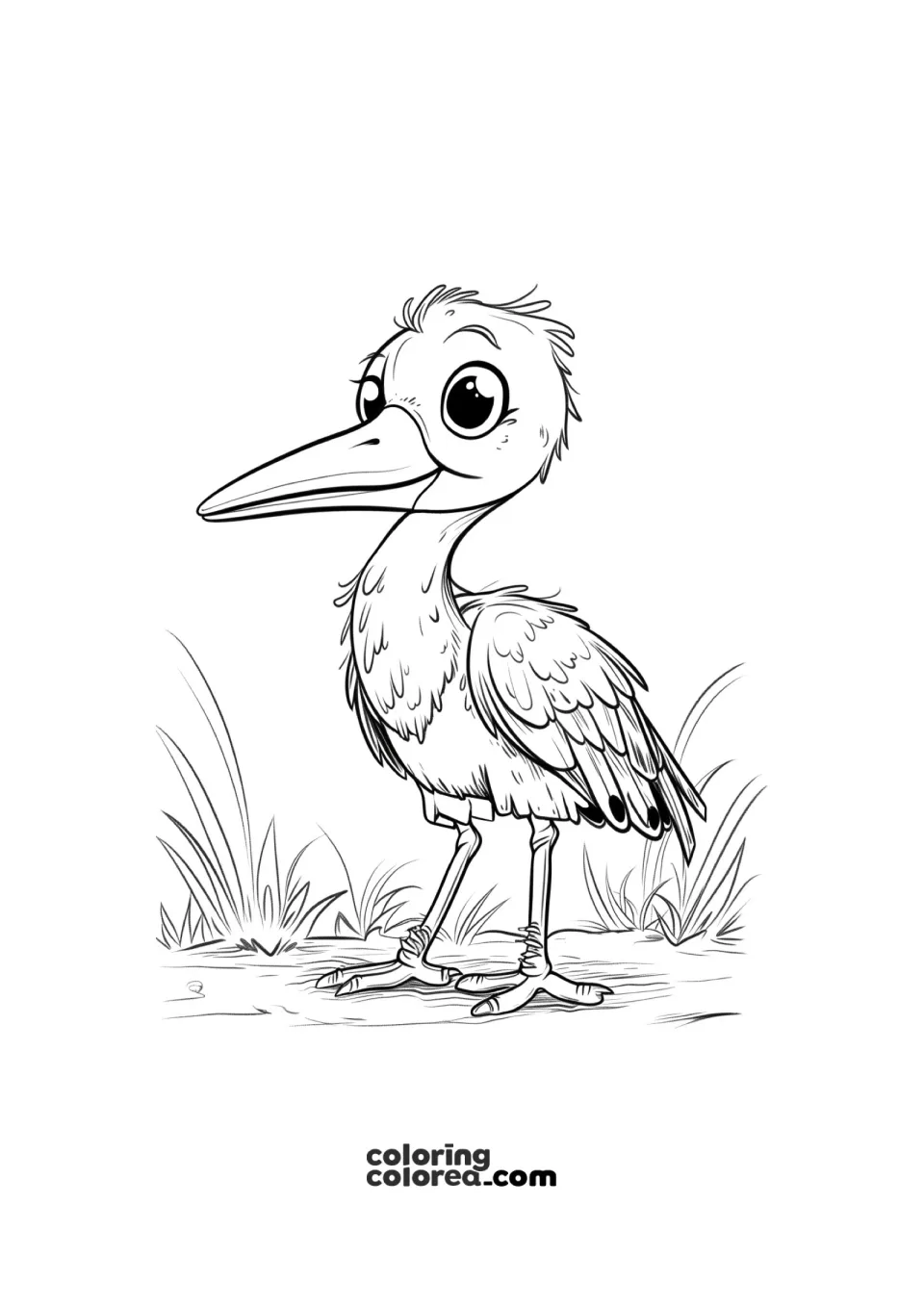
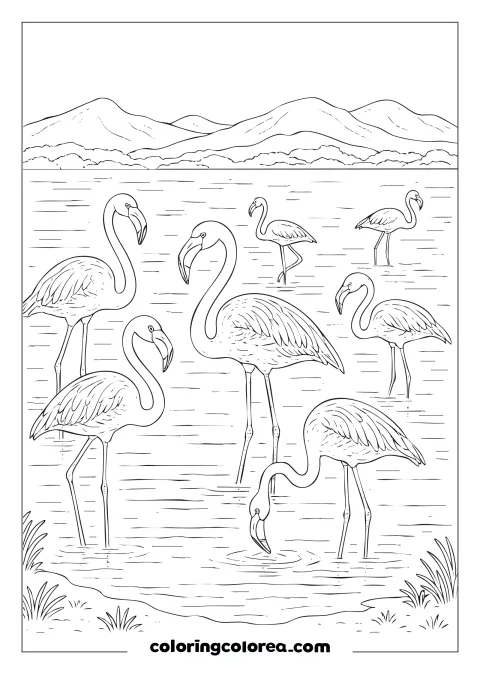
Storks are large, elegant birds, known primarily for their long legs, elongated necks, and sturdy beaks. They have robust bodies and broad wings, allowing them to fly at high altitudes and cover long distances during migration. Many stork species are migratory, travelling from one continent to another according to the season, seeking warmer climates for food and optimal nesting conditions.
Storks typically inhabit areas near bodies of water, such as rivers, lagoons, and swamps, where they find much of their food. Their diet is varied and mainly consists of fish, frogs, insects, and small mammals. These birds are particularly known for their large, durable nests, which they build in tall trees, towers, or poles. Stork nests can last for several years and are often reused by the same pair or their offspring in subsequent nesting seasons. In terms of physical characteristics, many storks have white plumage on their bodies and black feathers on their wings, giving them an elegant appearance. Their beaks are usually red or orange, and their legs can also have these tones, especially during the mating season. This color contrast makes storks easily recognizable and gives them a distinctive look.
How to color the Stork
To color this stork and highlight its elegance, you can follow these steps:
Plumage: The stork’s body is usually white, so you can use a white or very light gray tone for a soft base. However, you can add shadows with a darker gray in areas like the neck and under the wings to give it volume and a three-dimensional look. The tips of the wings can be black, creating a nice contrast with the body.
Beak: Storks’ beaks are often bright red or orange. You can use a bright orange as a base and add shading at the base of the beak and the tip to give it depth. This will help the beak stand out and add a vibrant touch to the drawing.
Legs: Storks’ legs are also red or orange tones. Use a shade similar to the beak for color consistency, and add shadows where the legs bend to give them a realistic look.
Background and Environment: Storks live near water and vegetation, so you can add green grass and a light blue tone to the ground, suggesting an aquatic or swampy environment. The background can have a soft blue sky or darker tones if you want to depict a sunset, which will highlight the stork in the foreground.
Feather Details: To make the plumage look more detailed, you can add small strokes on the neck and wings with a light gray or brown pencil. This will help the feathers look more textured and realistic.
When coloring this stork, you can experiment with shades of white, grey, and black, and add the vibrant colors of the beak and legs. This will create an image full of contrast and emphasize the natural grace of this magnificent bird. Learn more about the storks by clicking here.