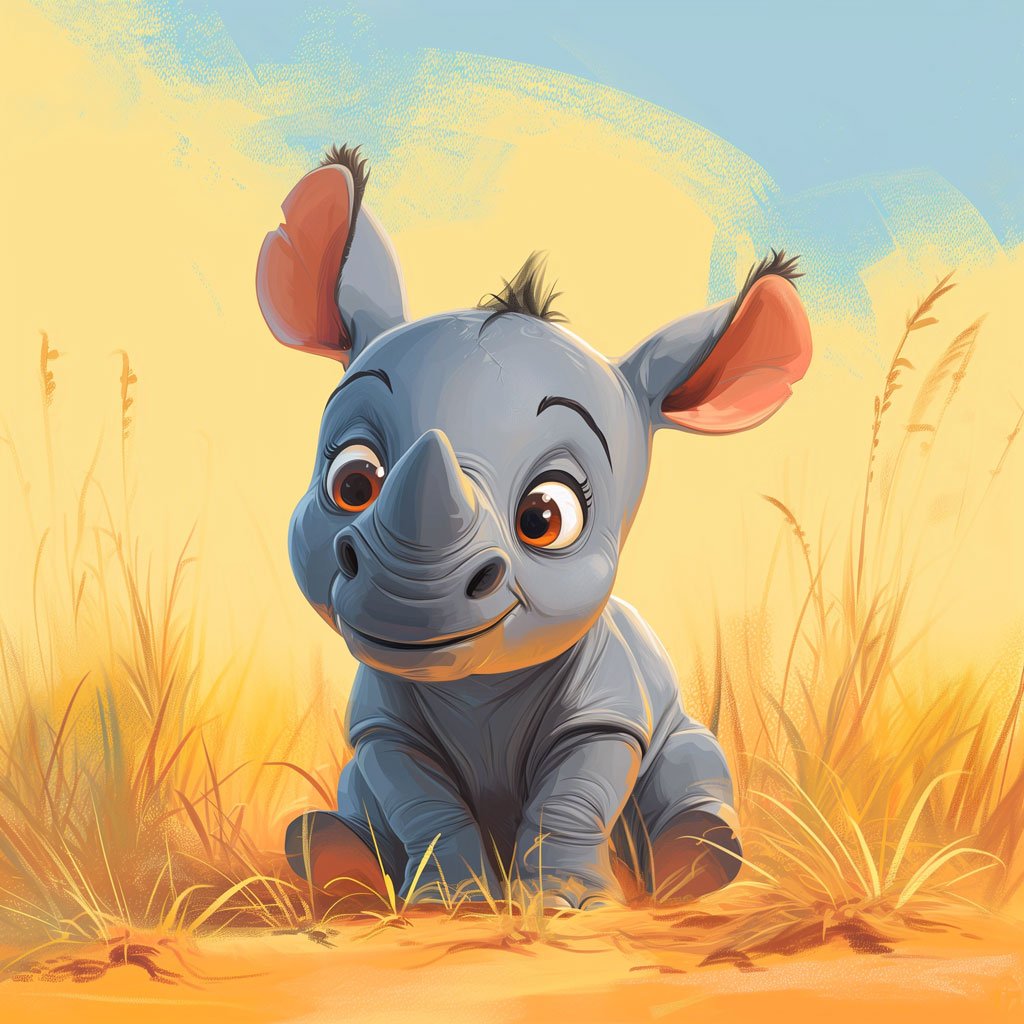


Free coloring pages of Adult rhinoceros in the wild
Adult rhinoceros in the wild — a page that wants color. Pick your palette and enjoy the lines.
Artificial Intelligence: Some images and texts have been created using Artificial Intelligence. However, all of them undergo a process of control and photographic retouching, vectorization and/or redrawing that makes them unique and safe.
Logos and Trademarks: Logos or company names are used for identification purposes only and may be trademarks of their respective owners
Licence: The generated images are in the Public Domain but are licensed under CC BY-NC-ND 4.0.
Description
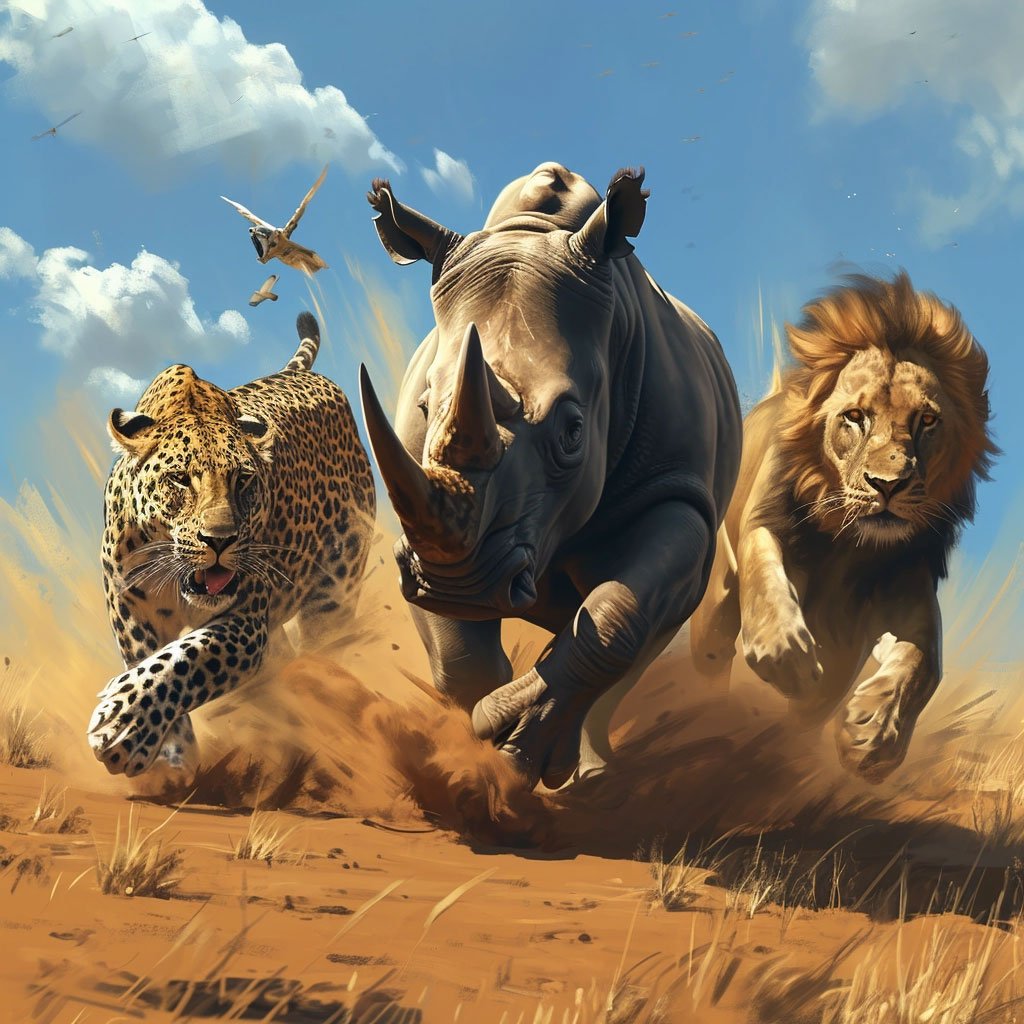
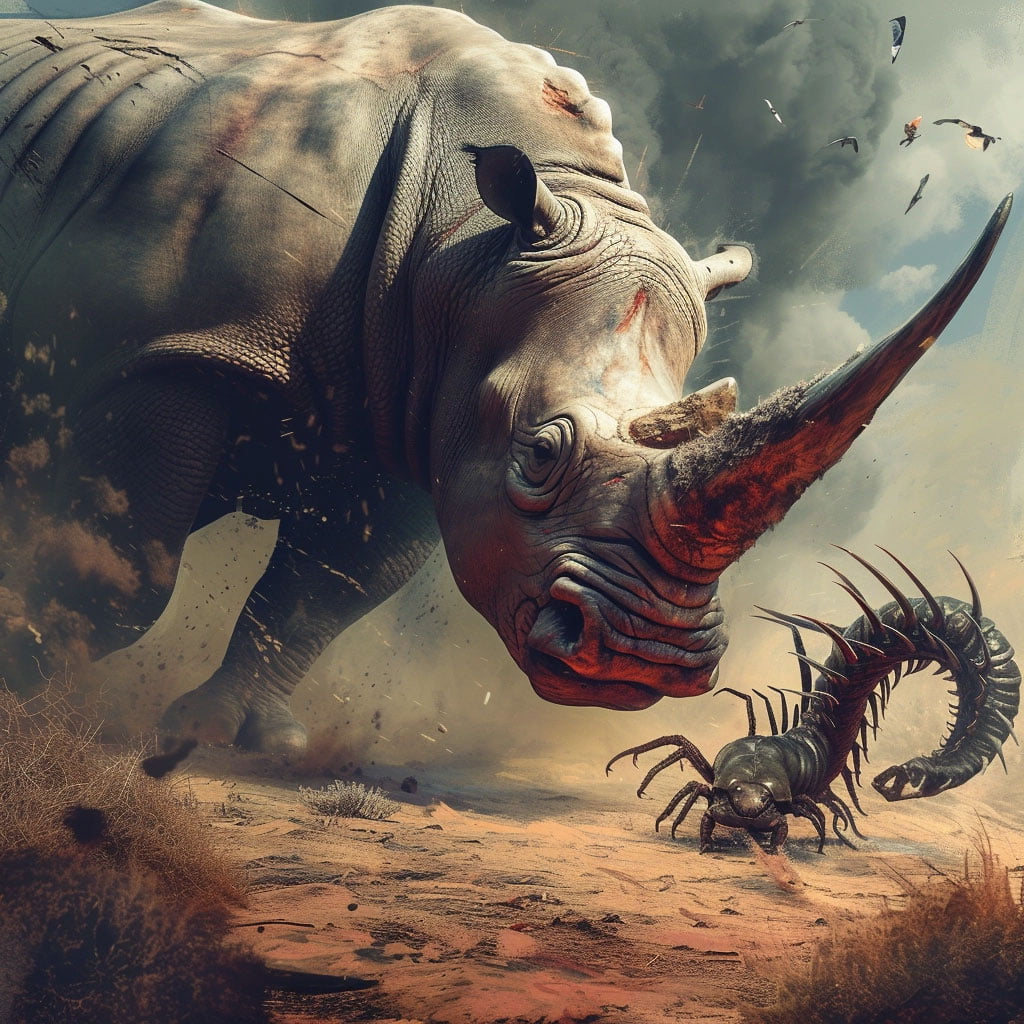
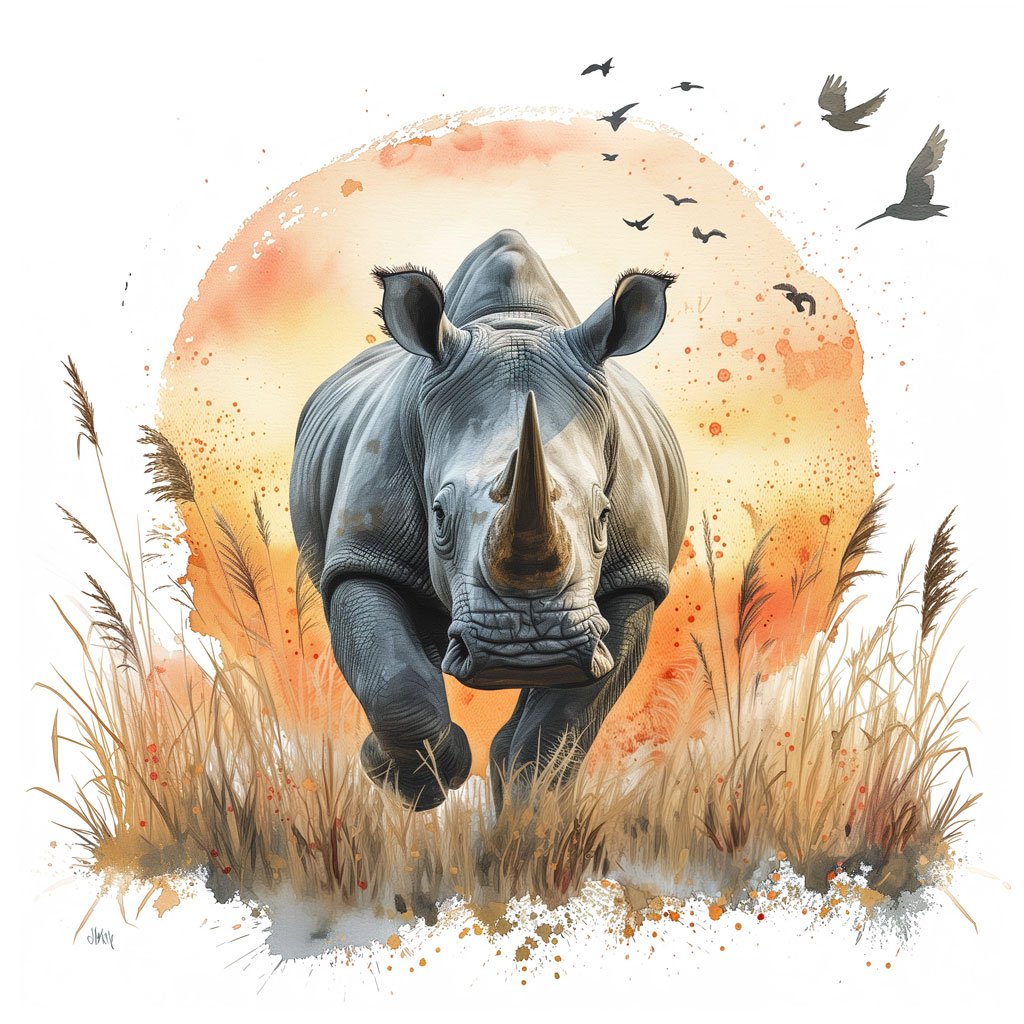
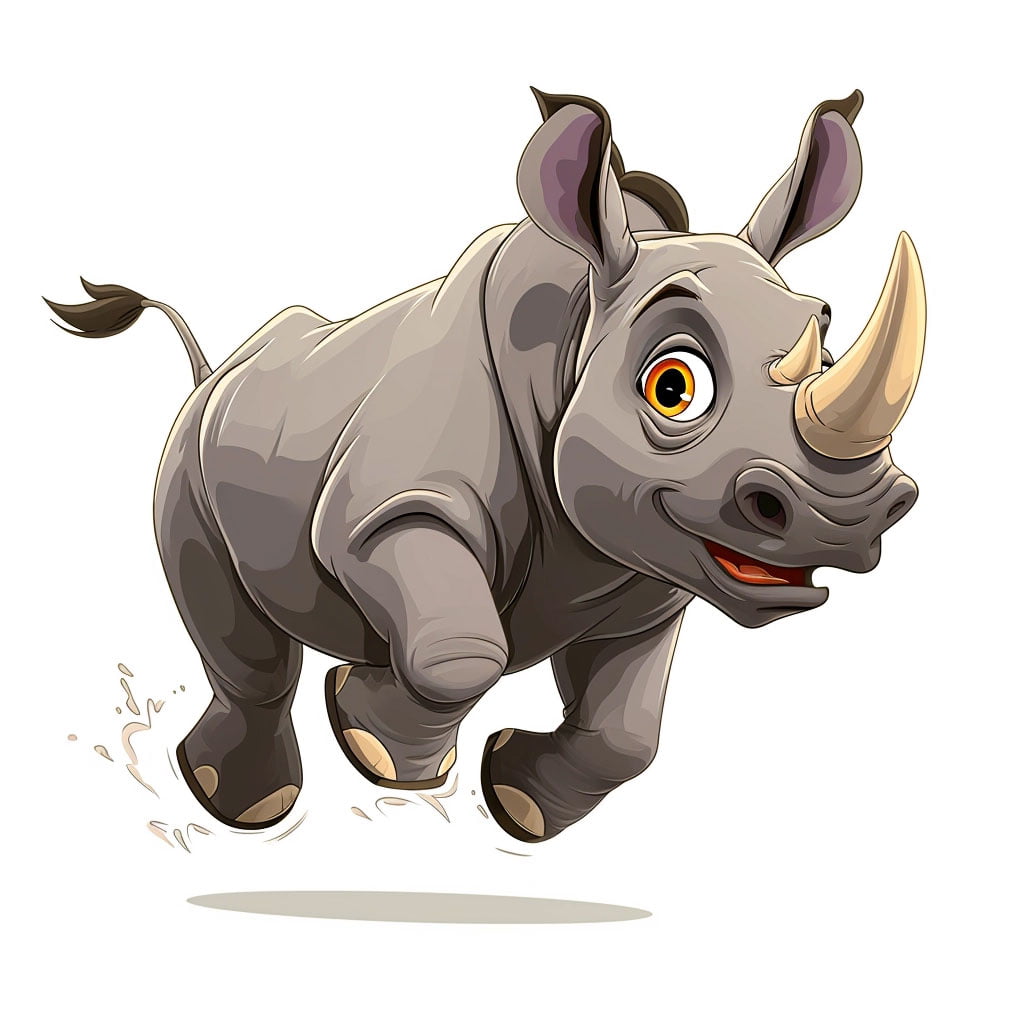
Ready to venture into the African savannah? Before you stand a rhinoceros, a giant of nature with a horn as powerful as its heart. The rhinoceros, with its imposing horn and robust appearance, symbolizes strength but also vulnerability, given its critical conservation status.
In this drawing, the details of the environment, such as the trees, ground, and plants, complement the central figure, creating a scene full of life. By coloring the rhino, you will have the opportunity to explore textures and tones that will bring realism to the rhino’s skin and depth to the landscape. This drawing also allows you to exercise patience and observation, two essential skills for any art lover.
Tips and tricks
Ideas and tips for colouring the rhinoceros
- Rhino’s skin: The rhino’s skin has a grayish tone with brown or greenish undertones depending on the light and environment. Start with a light gray base and add shadows with darker gray to highlight folds and wrinkles. For a more realistic effect, mix brown tones in areas closer to the ground, simulating dust or mud. Use short, smooth strokes to mimic the rough texture of its skin.
- Horn: The horn is usually a darker gray or black with hints of brown. Begin with a medium gray and add depth at the base with dark brown or black, ensuring the edges remain lighter to simulate reflections.
- Environment: The grass and plants can be colored in various shades of green. Use dark green for shadows and light green for illuminated areas. The trees in the background can have brown tones for the trunks and more muted greens for the leaves, creating contrast with the foreground plants.
- Sky: The sky can be a soft blue, transitioning to lighter tones near the horizon. Add hints of yellow or orange if you want to depict a sunrise or sunset.
- Shadows and details: Pay attention to the shadows beneath the rhino to better integrate it into the ground. Use a combination of browns and grays, mixed with green if there’s vegetation on the ground.
- Technique: Work in layers: start with lighter colors and gradually add shadows. Use blending tools or cotton swabs to soften transitions and give the artwork a polished finish.
Protecting rhinoceroses
More colouring pages in the Animals category
Ideas para colorear tu dibujo de Adult rhinoceros in the wild