
Printable coloring page
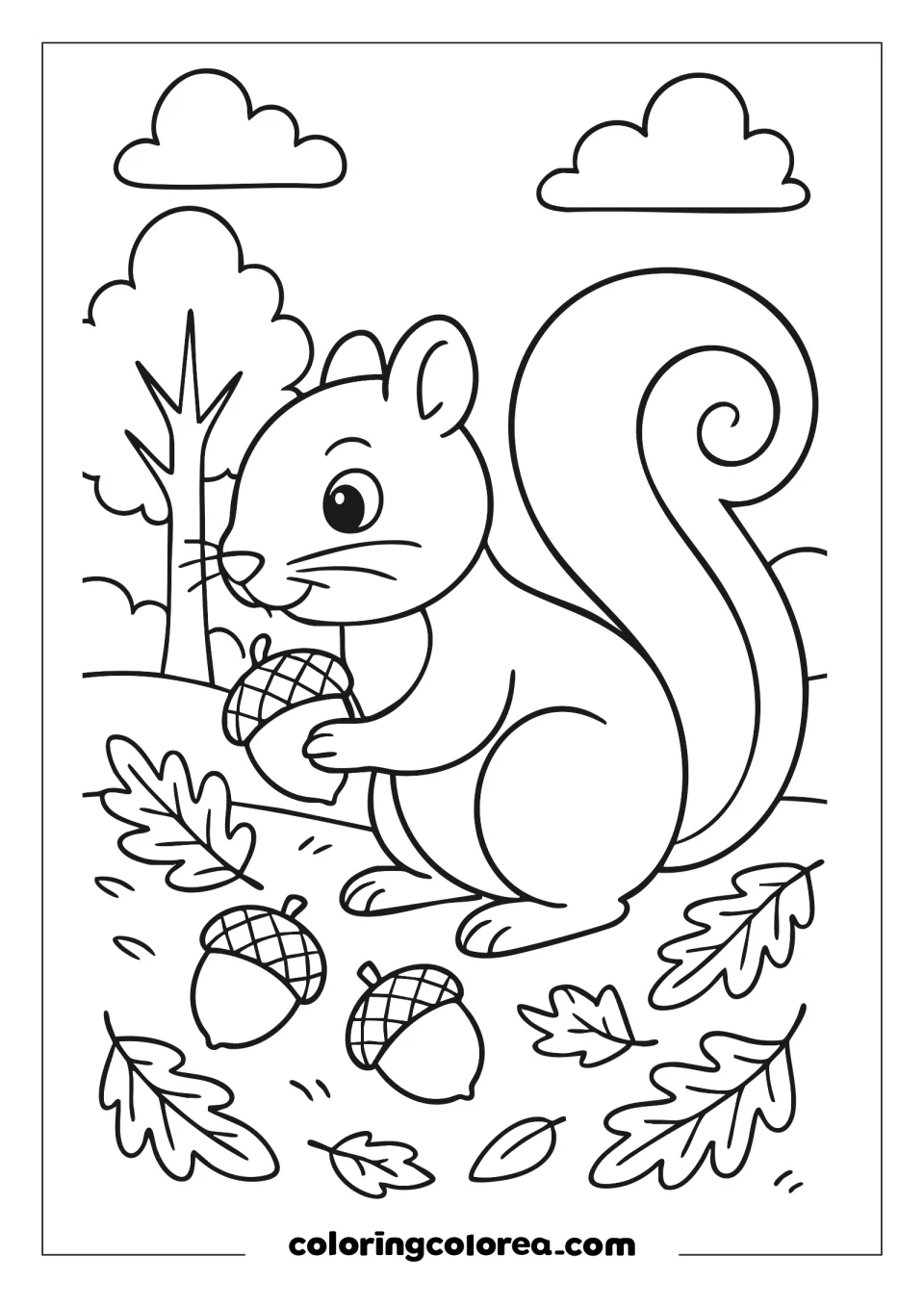
An adorable squirrel collects acorns for winter. Download this autumn drawing for free and color it in to discover the magic of the forest!
Printable coloring page
Free for personal and educational use
Download coloring page (PDF)PrintColor it in your browser, no sign-up needed. Your progress is saved on this device.
A squirrel holding an acorn among autumn leaves.
Use russet for the fur and ochre for the leaves.
Find acorns or leaves outside and compare them.
Squirrels bury acorns and forget some, which can sprout into trees.
A veces el bosque guarda secretos pequeñitos, como este: una ardilla en plena misión otoñal. No está corriendo por correr ni jugando con las hojas secas —¡está recolectando sus tesoros favoritos! Las bellotas, esas bolitas mágicas que caen de los robles, son su alimento especial para cuando el frío llegue y los árboles se queden sin hojas.
Fíjate bien en la ardilla ¿Notas cómo abraza esa bellota como si fuera un premio? No es casualidad: las ardillas tienen una memoria asombrosa, y aunque escondan decenas de ellas, ¡casi siempre recuerdan dónde están! Imagínate tener un mapa secreto en la cabeza, lleno de escondites entre raíces, bajo hojas crujientes y junto a troncos viejos.
The squirrel, with its rounded body and large spiral tail, is perfect for practicing how to create volume. The key is to imagine where the light comes from, perhaps from an upper corner, as if the autumn sun were gently brushing against it. From there, you can deepen the shadows on the lower part of its body, under the chin, on the legs, and along the inner edge of the tail. If instead of using uniform strokes you switch to short lines that follow the direction of the fur, the effect becomes far more realistic, almost as if you could feel its softness.
The acorns, small but full of detail, let you explore contrast and texture. By visually dividing them into two parts—the smooth base and the rough cap—you can highlight their shape with gentle shading on the lower section, while cross‑hatched strokes suggest their rugged surface. The surrounding leaves should not all share the same color; it works better to mix different tones and give them lighter or stronger variations depending on their position or whether they are in shadow. The scene gains dynamism when the background is allowed to breathe, using soft gradients in the trees and the sky. The challenge, and also the most enjoyable part, lies in preventing everything from looking flat. With a bit of attention to light, shadow, and smooth transitions between colors, this drawing turns into a small piece filled with movement, atmosphere, and warmth.
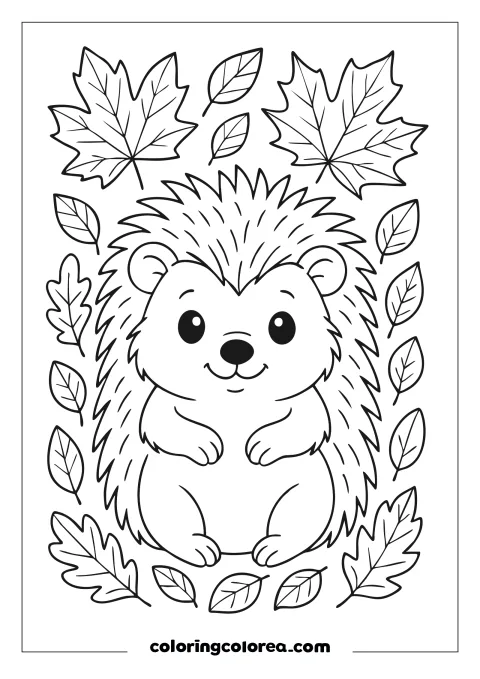 Hedgehog in autumnForest animals · Easy
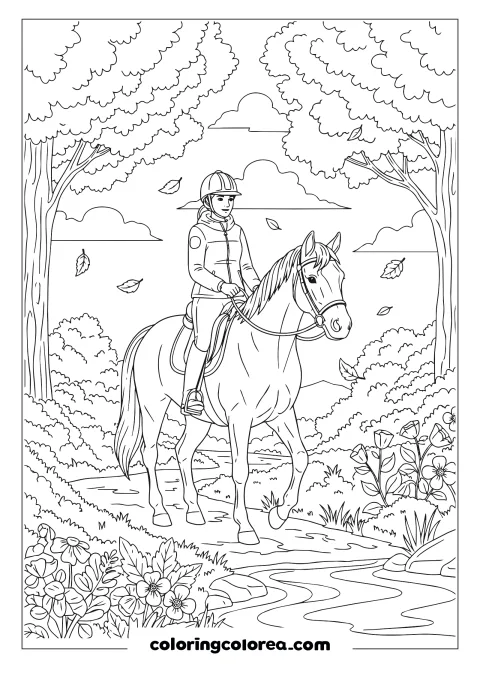 Autumn Trail Ride in the WoodsFarm · Hard
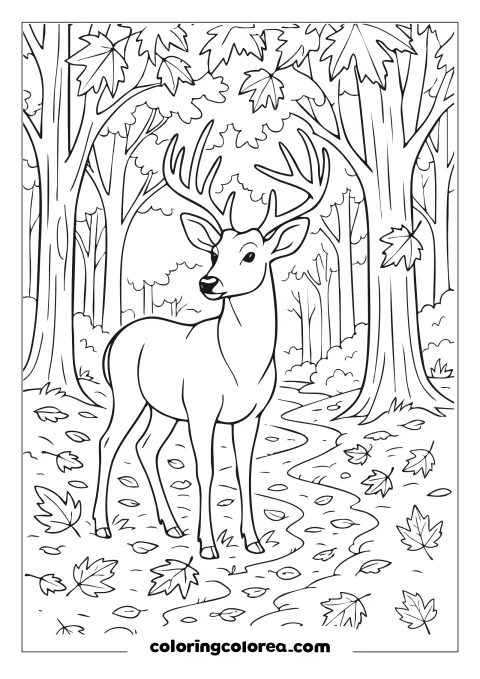 Deer in the forestForest animals · Medium
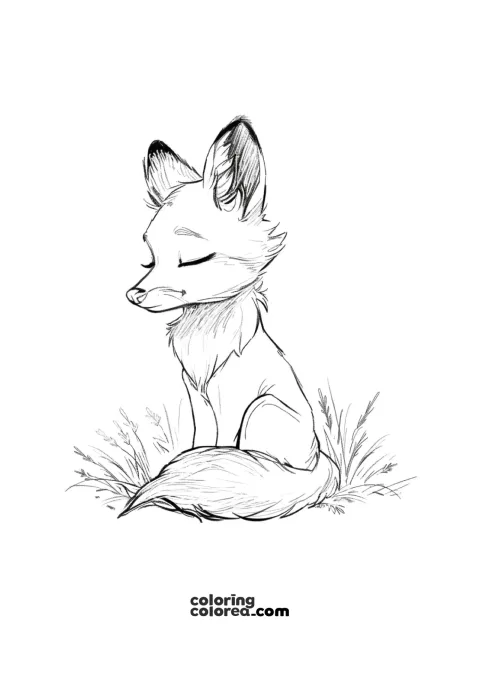 The wily foxForest animals · Easy
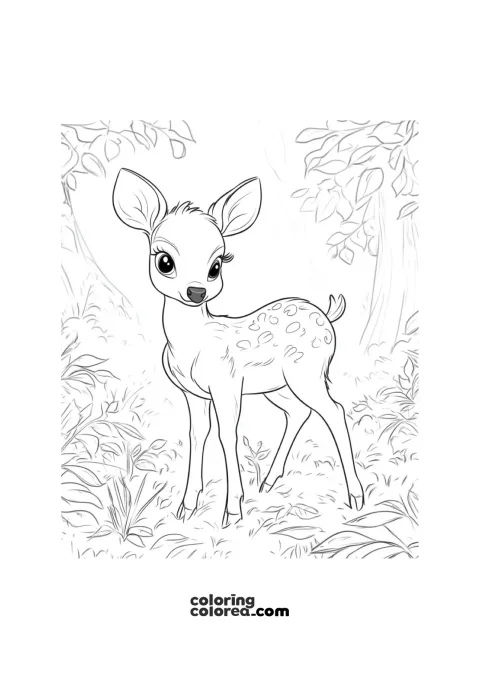 FawnForest animals · Easy
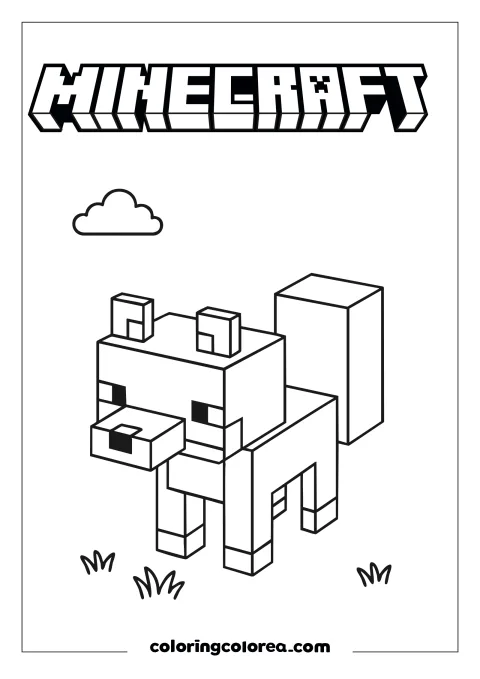 Curious Blocky FoxVideo games · Easy
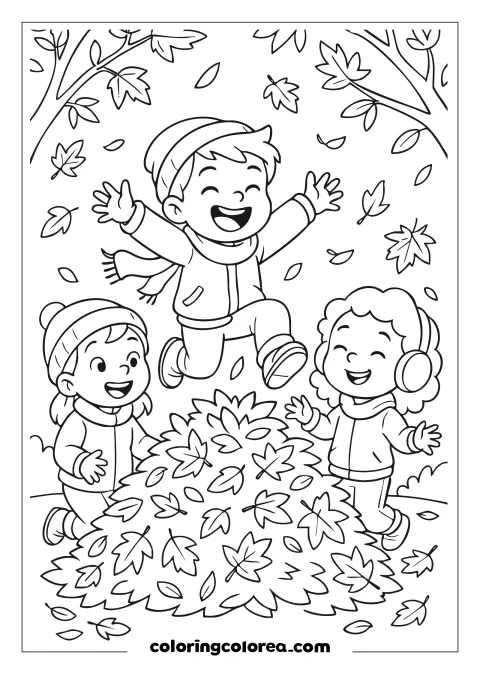 Playing in AutumnEducational · Medium
 Spotted Cat Pounces on a Falling LeafPets · Hard