
Printable coloring page
Discover the importance of centurions in the Roman Empire. Learn how to color it and have fun imagining what life was like back then.
Printable coloring page
Free for personal and educational use
Download coloring page (PDF)PrintColor it in your browser, no sign-up needed. Your progress is saved on this device.
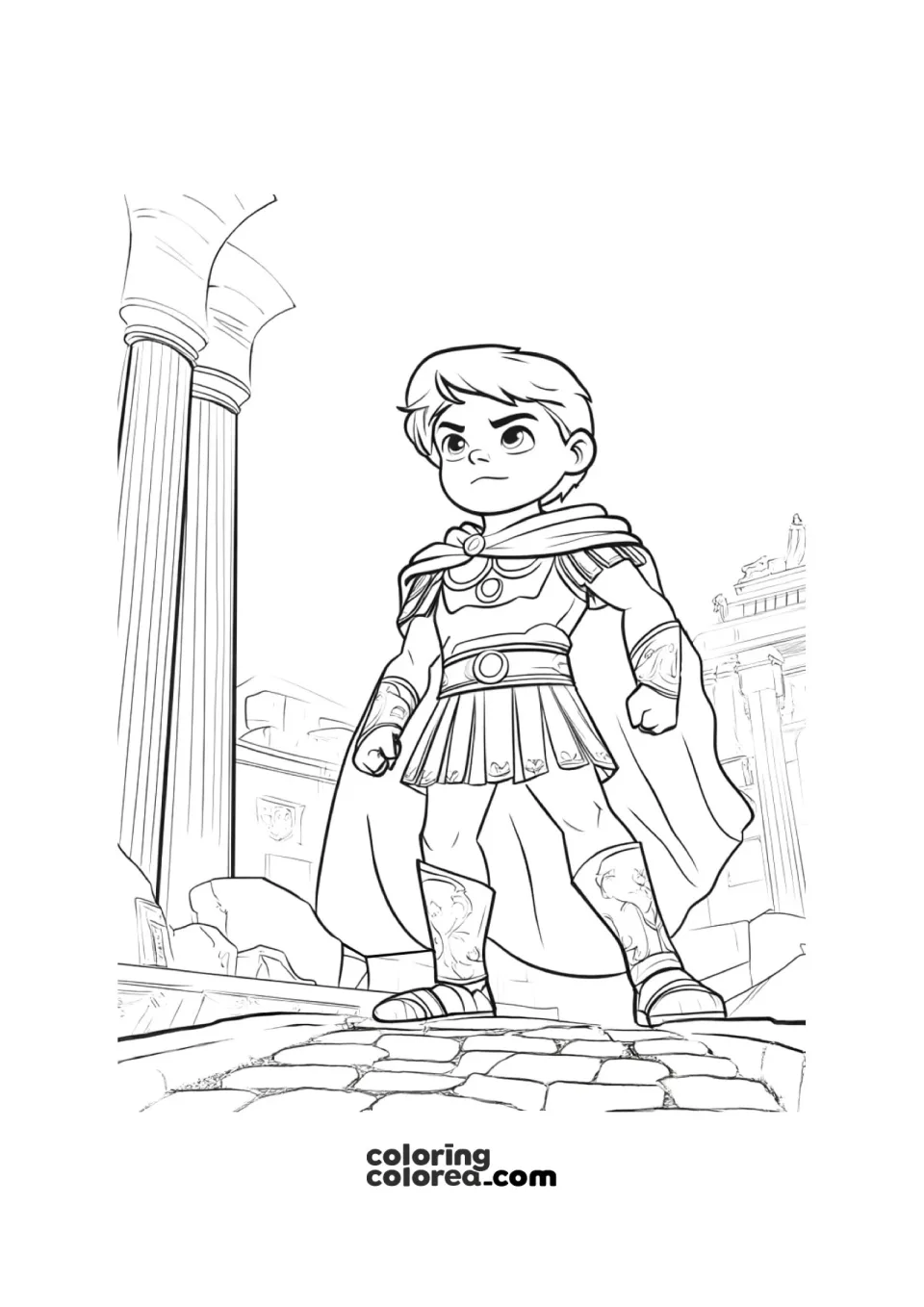
A Roman centurion with armour and cape.
Use Roman red and gold metal.
Find out what a centurion commanded.
A centurion usually led about 80 soldiers.
Our character in the drawing is a centurion, an officer in the Roman army responsible for commanding a century, a group of approximately 80 to 100 soldiers.
Centurions were significant figures in the Roman army. They led and organized soldiers during battles and were responsible for training their men and ensuring they were ready for any challenge. They were known for their bravery, discipline, and leadership skills, so they had a higher status and better rewards than common soldiers. Additionally, they wore distinctive clothing and armour, such as a helmet with a crest often positioned horizontally to make them easily recognizable on the battlefield.
To color this drawing of a centurion, you can start with the skin, using a pinkish or light brown tone, depending on the desired shade. Shadows on the skin can be added with a slightly darker pencil to give more volume to the face and hands. The centurion’s cape can be colored red, as this color was characteristic of Roman officers and symbolized power and authority. To create a more realistic effect, shadows can be added to the folds of the cape using a darker shade of red or brown. The tunic underneath the armour can be painted in white or beige, which were common colors for Roman clothing. For the armour and metallic parts, such as the belt and details of the sandals, gold or silver can be used. Highlights can be applied with a white pencil or a metallic marker to make the metal look reflective. Use dark brown to color his sandals, with gold details to make them stand out. For the background, the columns can be painted in stone shades, such as light gray or beige, to give the impression that they are made of marble or aged stone. Adding shadows at the base of the columns and on the stones of the ground will help make the drawing look deeper and more realistic. Darker gray pencils can be used for these shadows, applied gently. This coloring process helps children practice shading and highlighting techniques and allows them to learn about the details that make the centurions' attire special. The exercise strengthens artistic skills and enhances knowledge about Roman history and culture. Want to know more about centurions and the Roman Empire? Click here.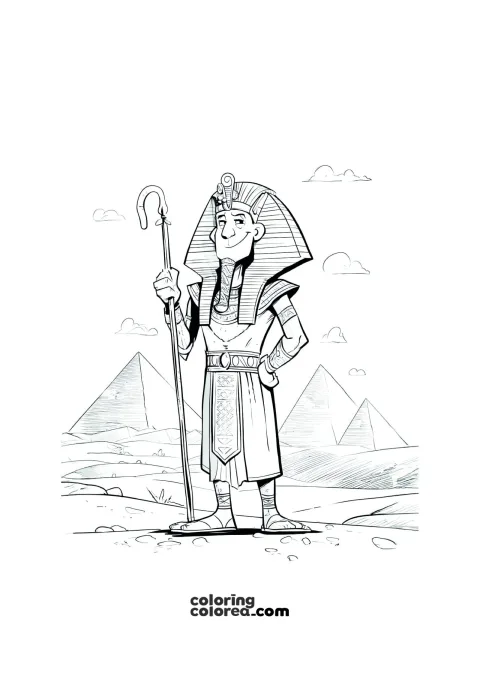 Pharaoh of EgyptHistorical events · Medium
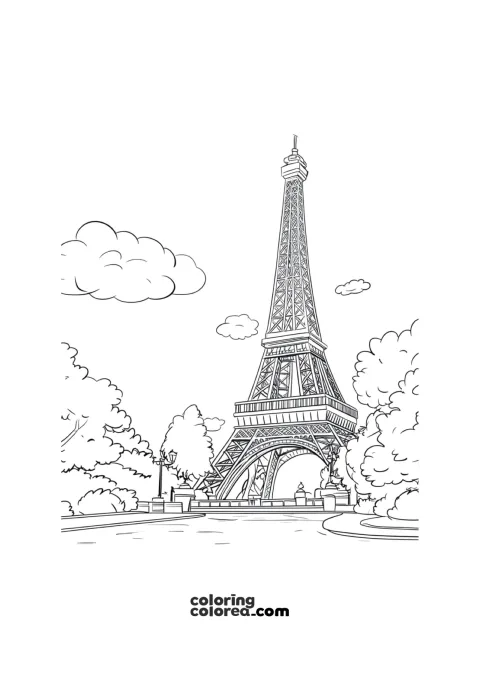 Eiffel Tower and the Seine River in ParisHistorical events · Medium
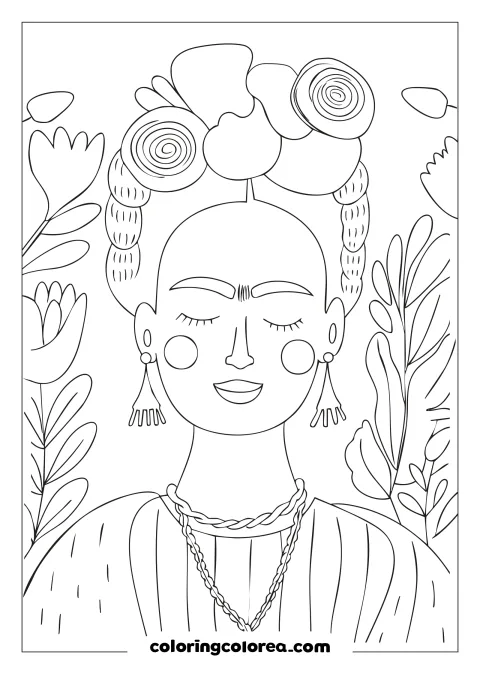 Frida Kahlo with flowersEducational · Medium
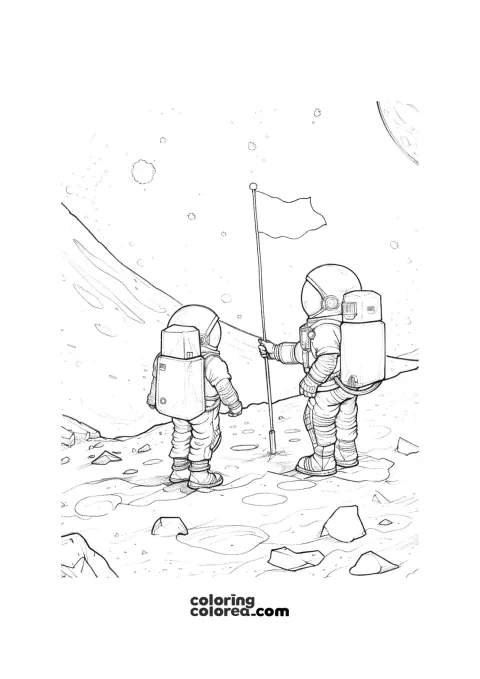 Conquering spaceEducational · Medium
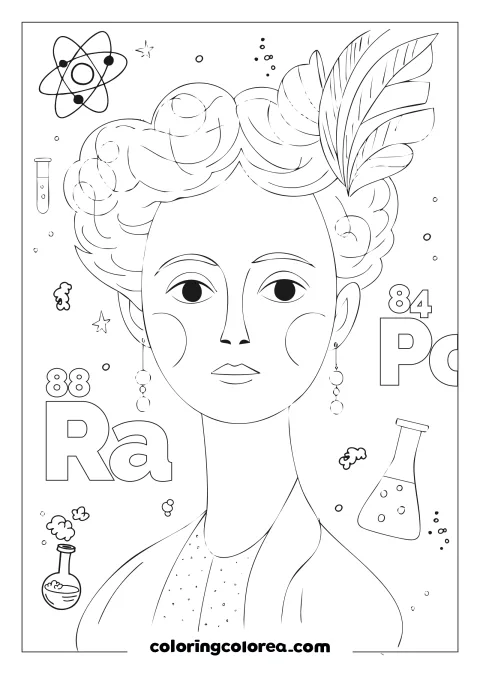 Marie CurieEducational · Hard
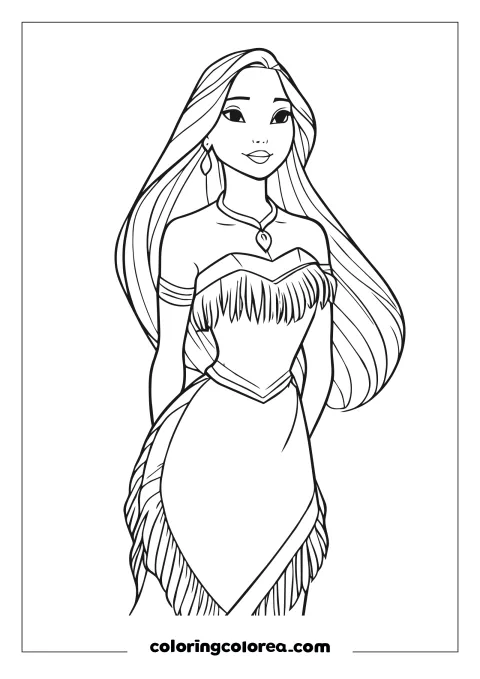 Long Hair and a Fringed DressPrincesses and Princes · Easy
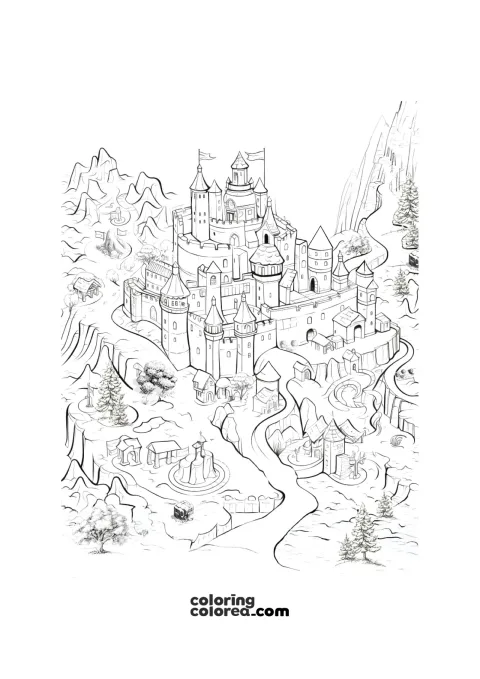 CastleHistorical events · Easy
 Pyramids in EgyptHistorical events · Easy