
Printable coloring page
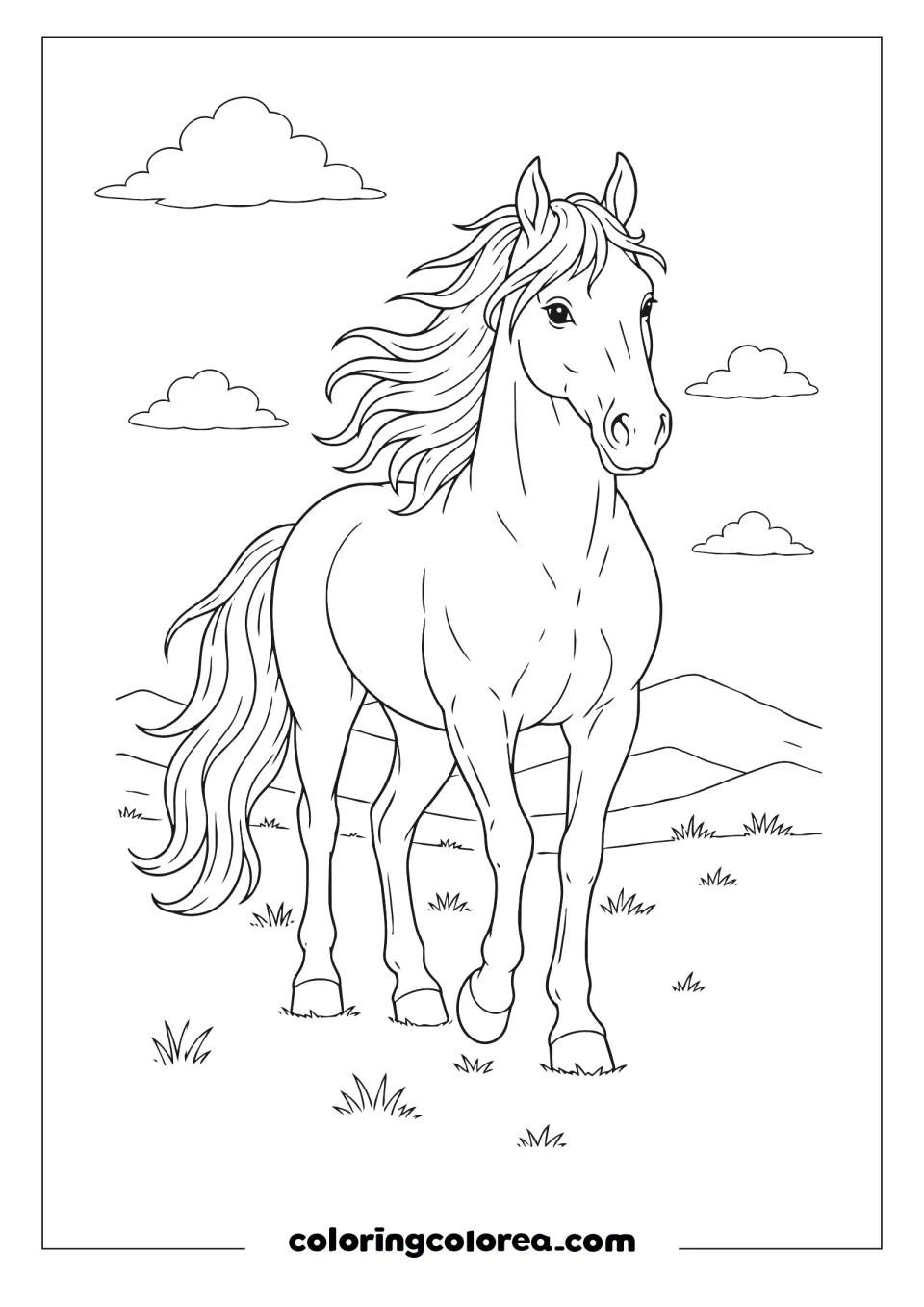
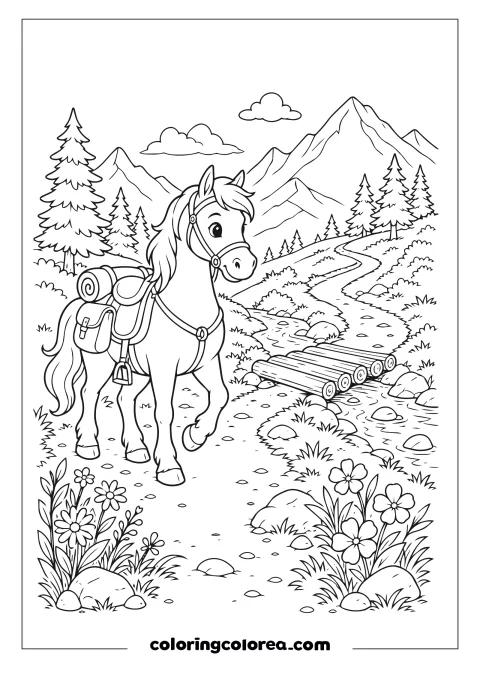
Horse in the countryside with soft hills and puffy clouds, drawn in clean, simple lines. Download this free printable PDF, perfect for new colorists.
Printable coloring page
Free for personal and educational use
Download coloring page (PDF)PrintA standing horse with a long mane and tail, grass, low rolling hills in the distance and puffy clouds.
Fill the body with one even color and use darker pencils on the mane.
Look up three horse breeds and draw your favorite one.
A white horse’s coat usually covers dark skin underneath.
A horse in the countryside is the latest chapter of a very long story. The earliest relatives of horses lived around 50 million years ago, and they looked nothing like this. They were small, roughly the size of a fox or a medium dog, and they lived in forests, browsing on soft leaves.
Scientists call that early animal Eohippus, or Hyracotherium. It had no hooves at all. Instead, it walked on several toes, which worked well on soft forest floors. Over millions of years, the climate shifted, forests shrank and wide grasslands spread across North America, where much of early horse evolution took place.
Out on open plains, the animals that survived were the ones that could run fast and spot danger early. Generation after generation, horse ancestors grew larger, their legs lengthened and their side toes shrank away until a single central toe remained, capped by a tough hoof. Their teeth changed too, growing taller and tougher for grinding gritty grass.
The fossil record of this transformation is so rich that natural history museums, including the American Museum of Natural History in New York, often use the horse as a textbook example of how species change over time.
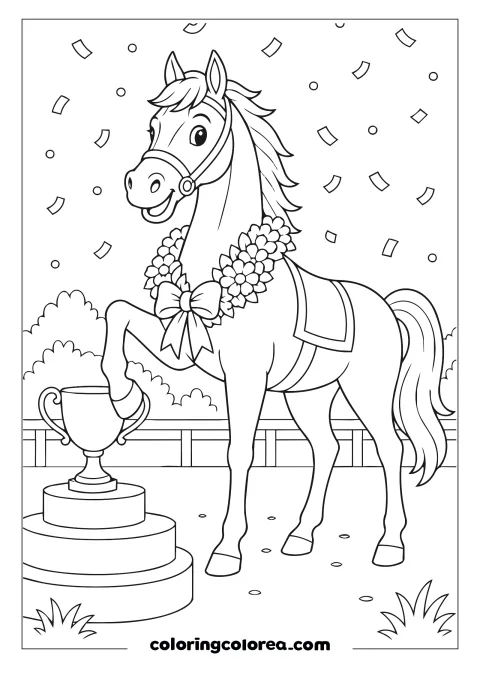 Champion Racehorse with a TrophySports · Easy
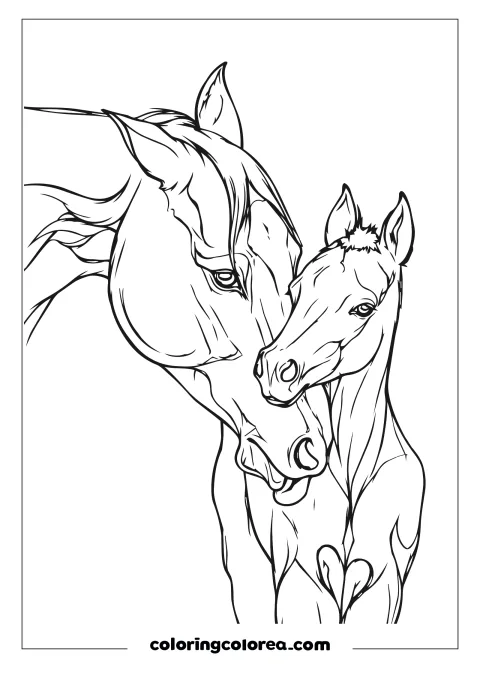 Mare Nuzzling Her FoalFarm · Medium
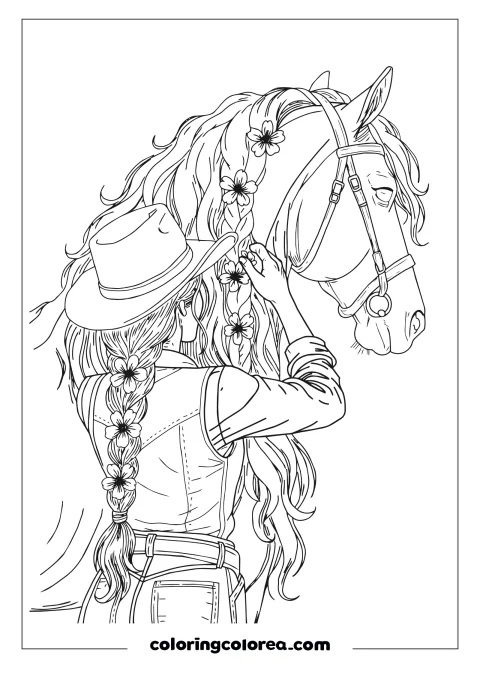 Cowgirl Braiding Flowers into a ManeFarm · Hard
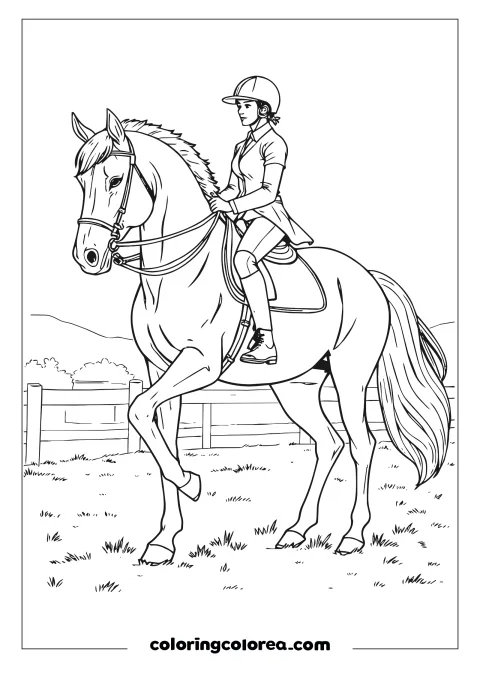 Dressage Rider in the ArenaSports · Medium
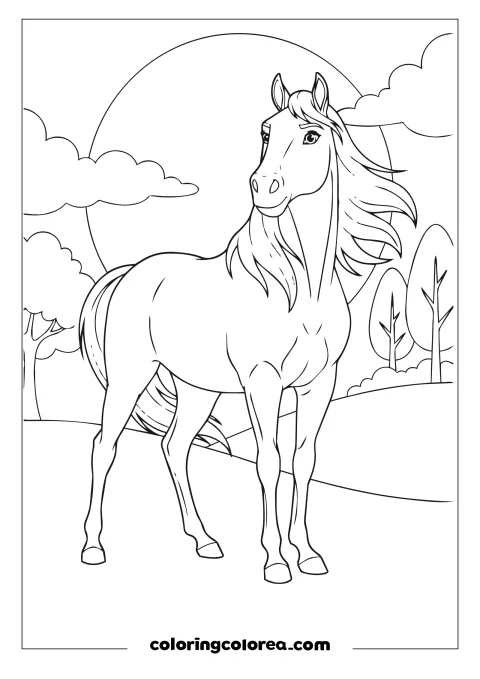 Free Horse at SunsetFarm · Easy
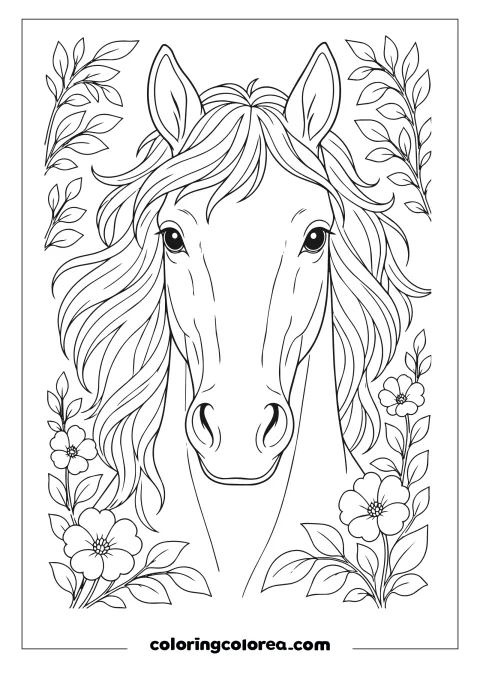 Floral Horse PortraitFarm · Hard
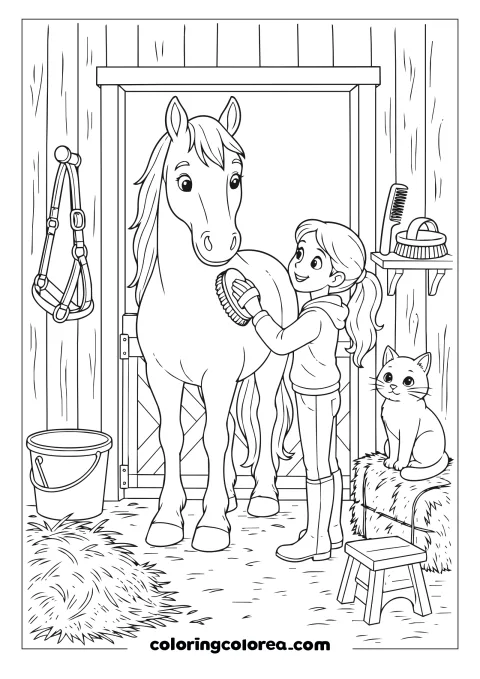 Girl Brushing Her Horse in the BarnFarm · Medium
 Trail Pony on a Mountain PathFarm · Medium