
Printable coloring page
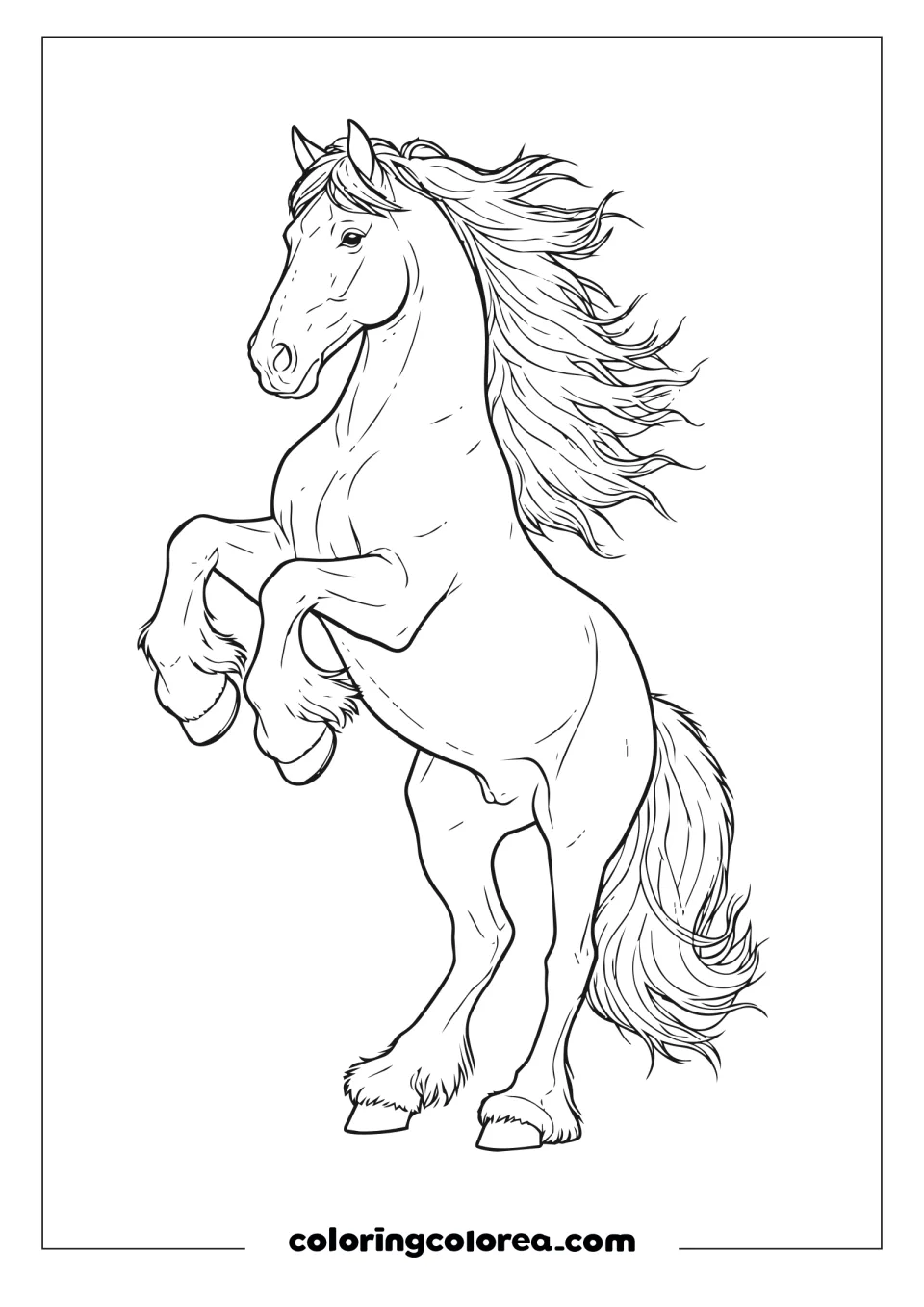
Rearing horse rising on its hind legs with a wild mane and tail streaming in the wind. Download this free printable PDF and color all its power.
Printable coloring page
Free for personal and educational use
Download coloring page (PDF)PrintA horse standing up on its hind legs with front legs folded in the air, a long flowing mane and tail, on a blank background.
Add your own backdrop, like a stormy sky or open prairie, for extra drama.
Draw the scene around the horse and show what made it rear up.
Below the knee, a horse’s legs have no muscles, only tendons and ligaments.
A rearing horse is one of the most dramatic sights in the horse world. It shows up on statues, coats of arms, movie posters and even car logos, but to the horse itself, standing up on its hind legs is a form of communication.
In wild herds, stallions rear when they square off over mares or territory. Rising up makes them look bigger and lets them strike with their front hooves. Young colts rear while playing, too, practicing those moves without anyone getting hurt.
A domestic horse may rear out of fear, pain or confusion. An ill-fitting saddle, a bit that hurts, or a scary situation the horse cannot run away from can all trigger it. Rearing under a rider is genuinely dangerous, so good trainers look for the cause, such as a sore back or teeth problems, before working on the behavior itself.
There is also a controlled version in classical riding called the levade, in which the horse balances on deeply bent hind legs. The famous white Lipizzaner stallions of the Spanish Riding School in Vienna perform it, along with leaps known as airs above the ground.
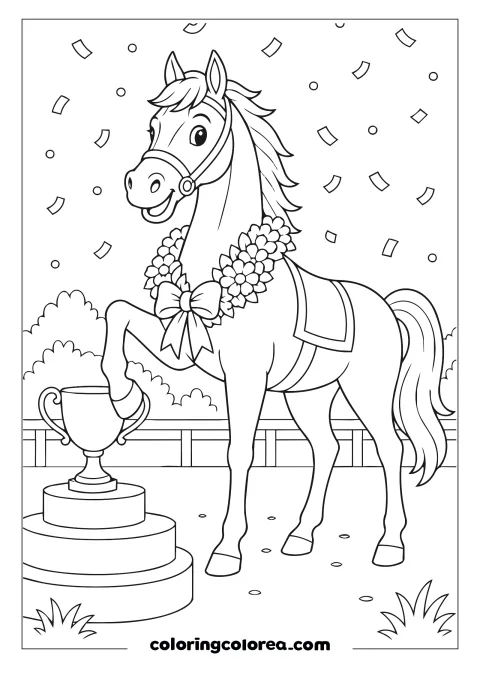 Champion Racehorse with a TrophySports · Easy
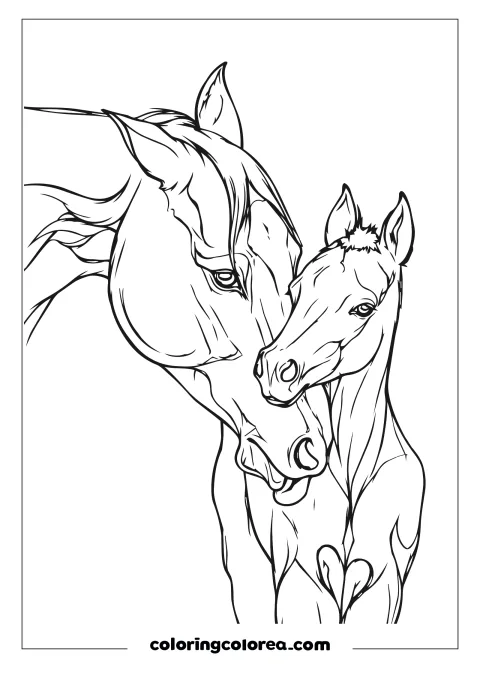 Mare Nuzzling Her FoalFarm · Medium
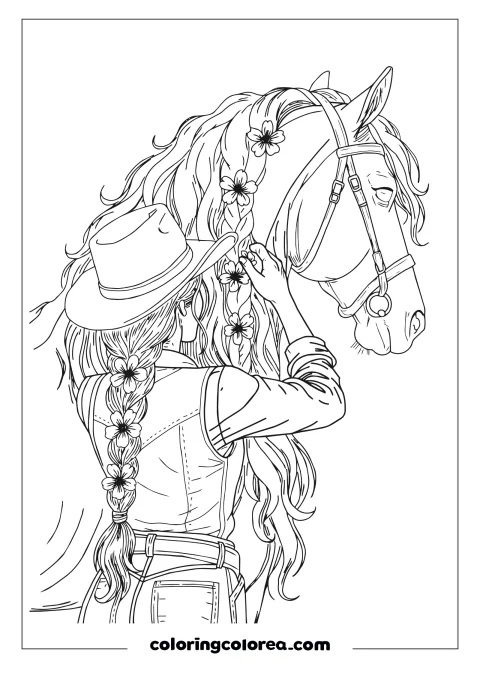 Cowgirl Braiding Flowers into a ManeFarm · Hard
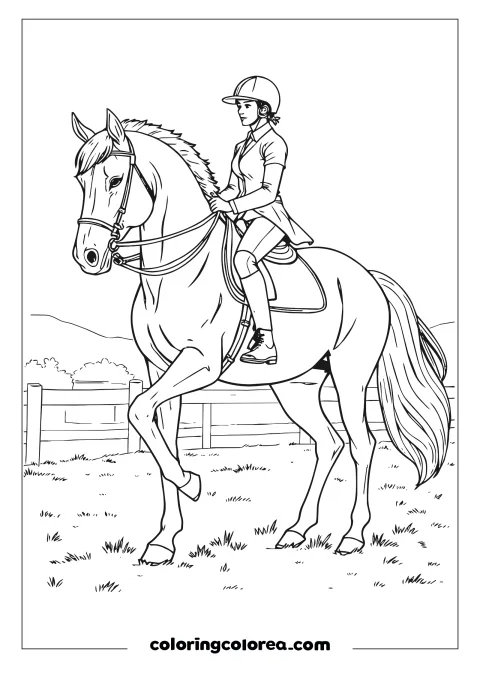 Dressage Rider in the ArenaSports · Medium
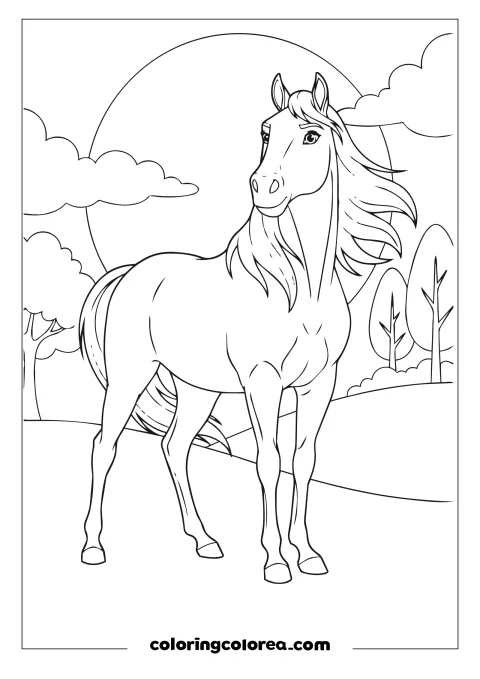 Free Horse at SunsetFarm · Easy
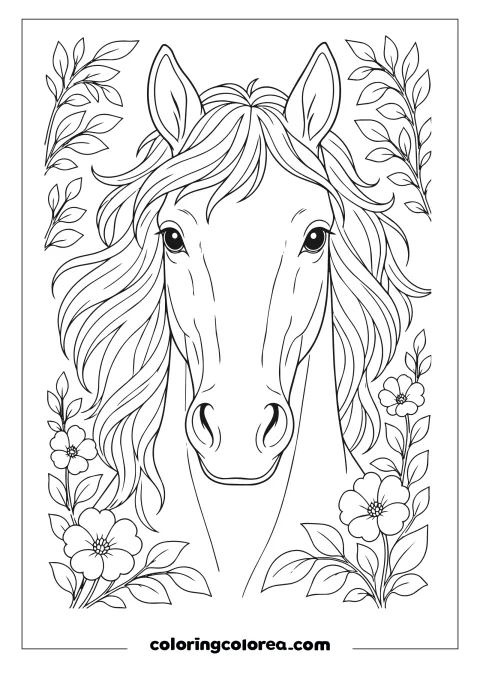 Floral Horse PortraitFarm · Hard
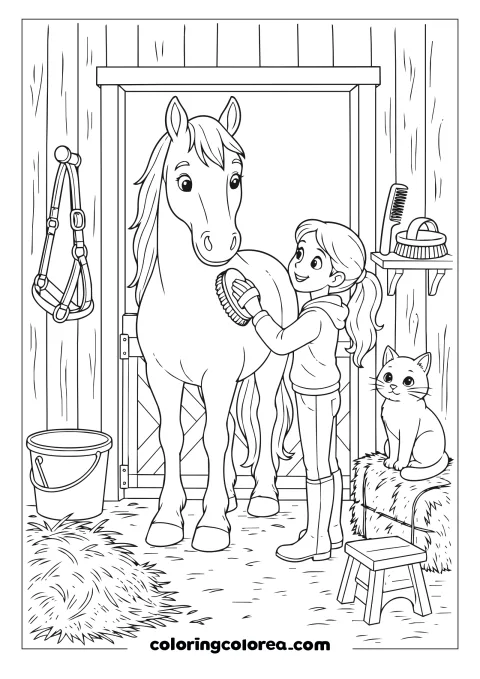 Girl Brushing Her Horse in the BarnFarm · Medium
 Trail Pony on a Mountain PathFarm · Medium