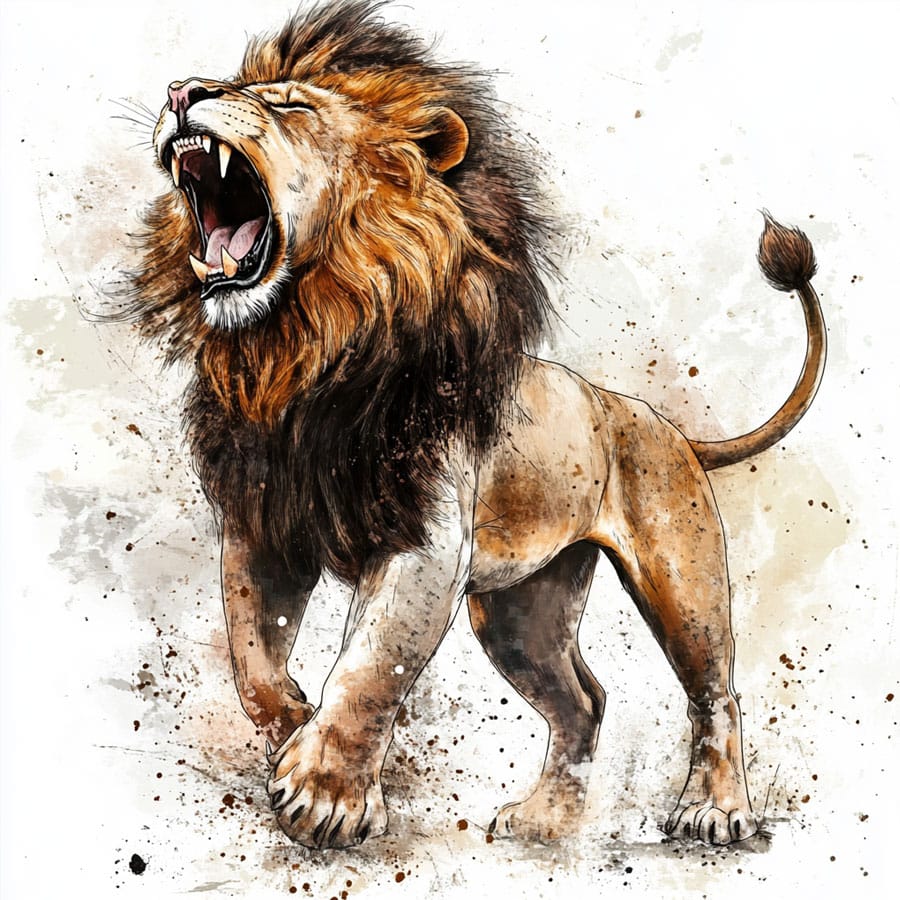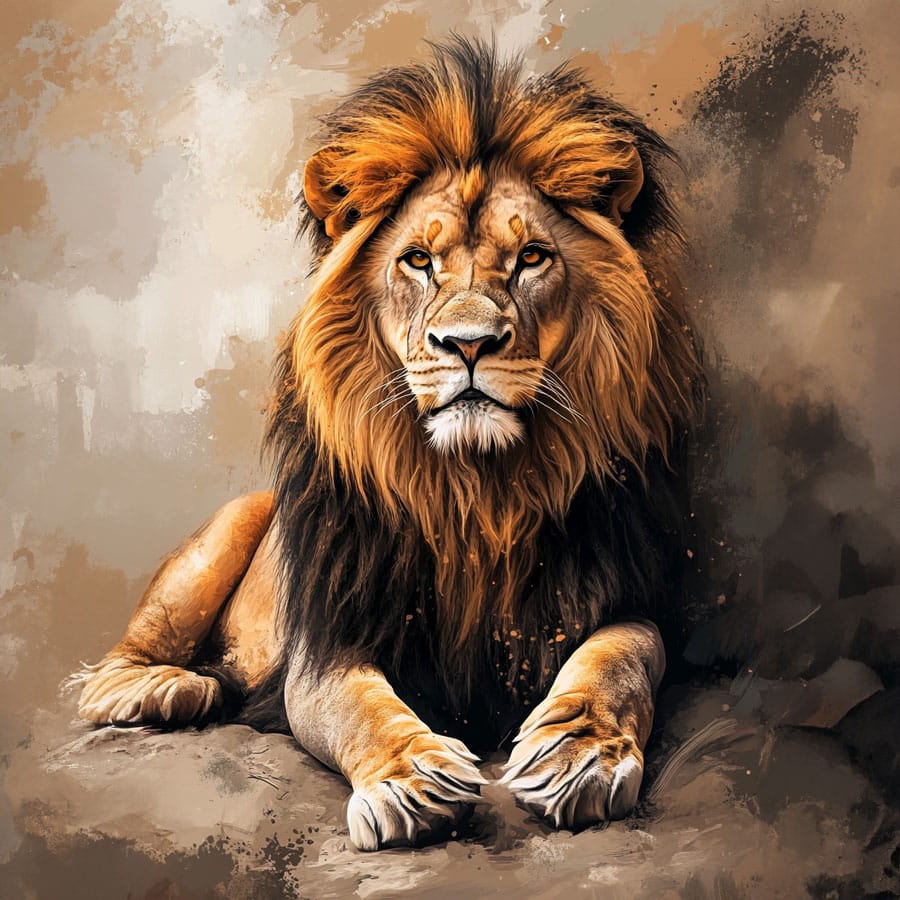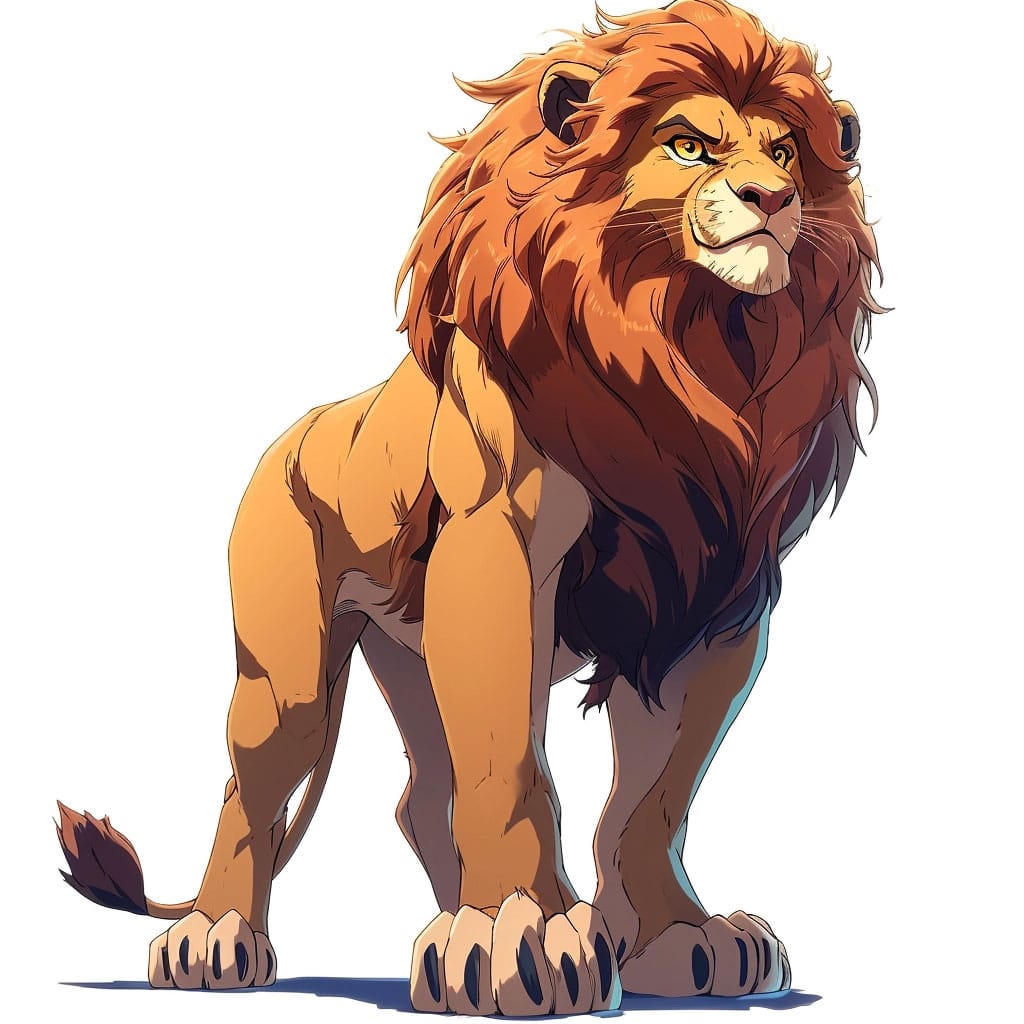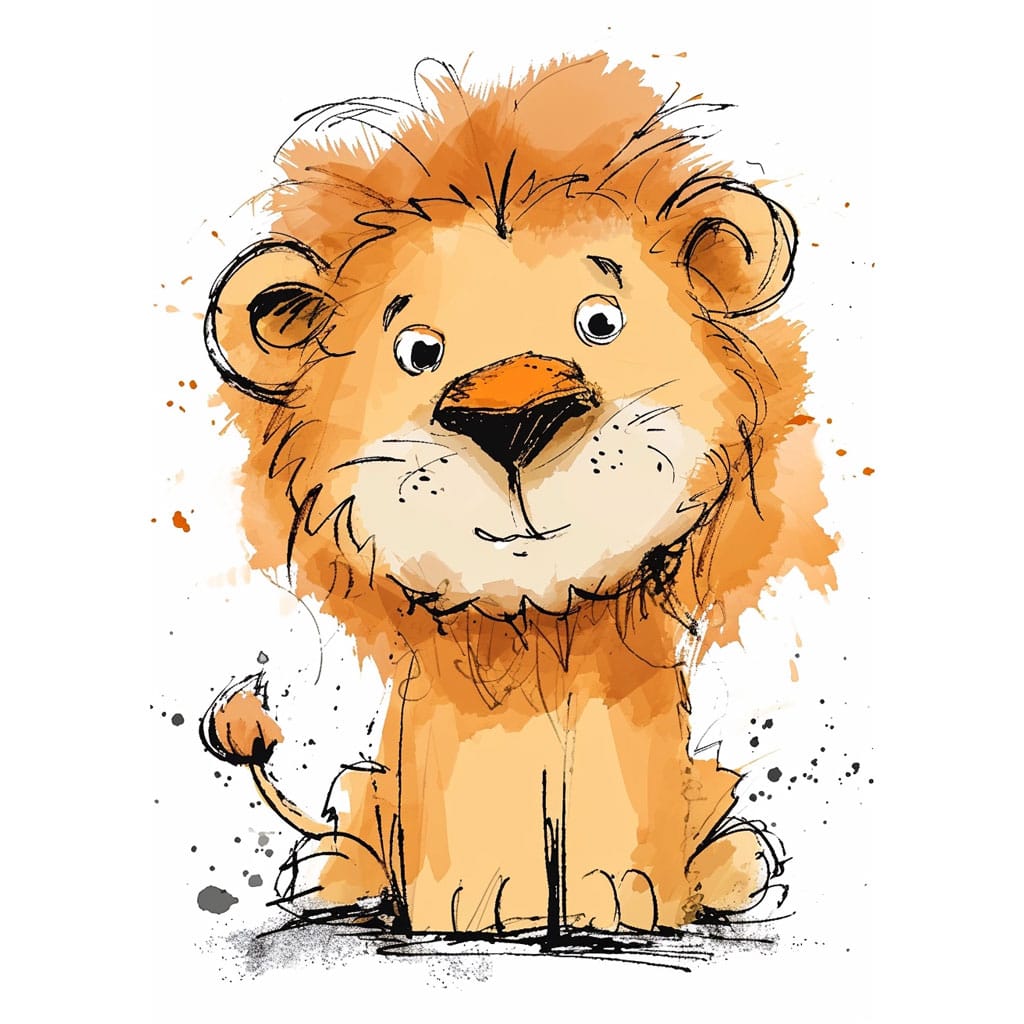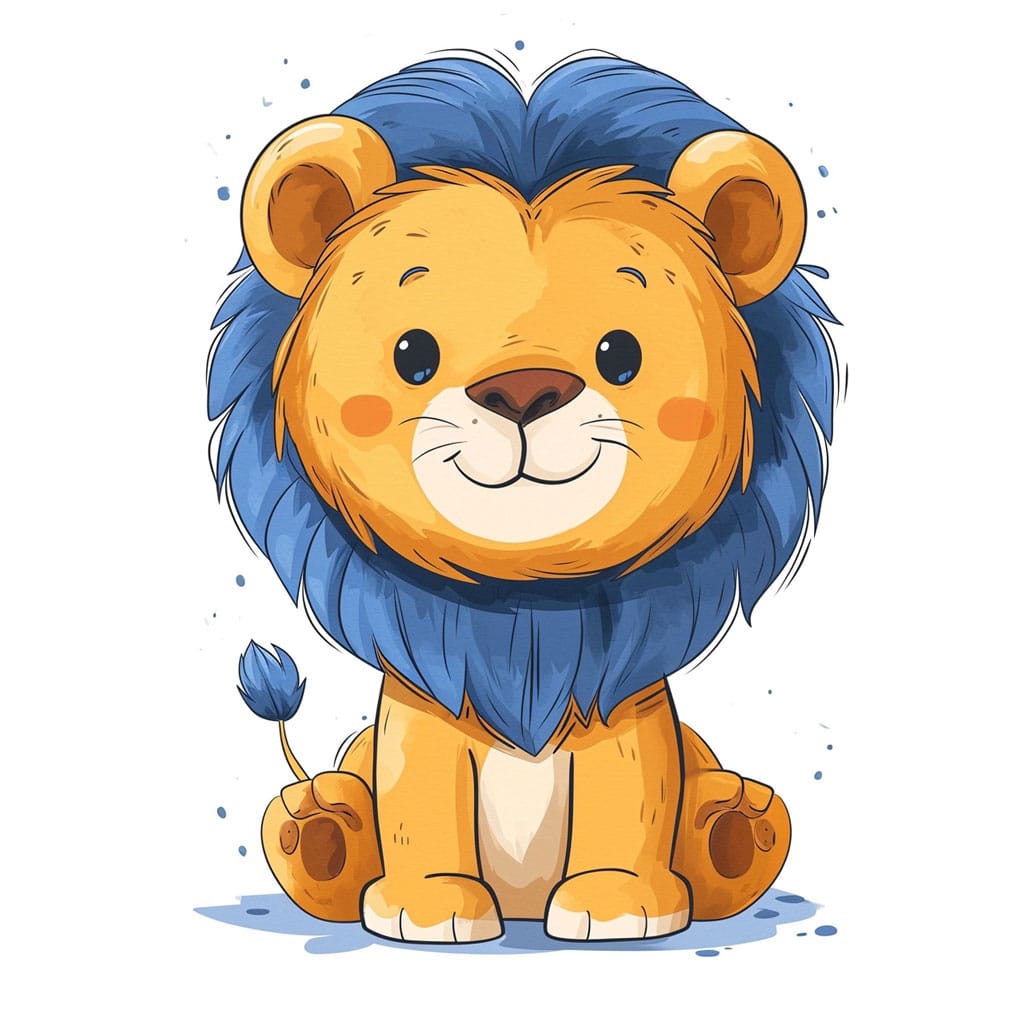


Free coloring pages of Lion in the savannah
There is none more powerful and fearsome than he. The great Lion, King of the Savannah
Artificial Intelligence: Some images and texts have been created using Artificial Intelligence. However, all of them undergo a process of control and photographic retouching, vectorization and/or redrawing that makes them unique and safe.
Logos and Trademarks: Logos or company names are used for identification purposes only and may be trademarks of their respective owners
Licence: The generated images are in the Public Domain but are licensed under CC BY-NC-ND 4.0.
Description
The lion (Panthera leo) is one of the most majestic and recognized animals in the animal kingdom, often referred to as the “King of the Savanna” due to its power, elegance, and position at the top of the food chain. Native to Africa and parts of Asia, lions live in grasslands, savannas, and semi-arid regions where they hunt in groups and enjoy a social lifestyle pride. Unlike other big cats, lions are social animals that form family groups called prides, led by one or more dominant males. Their physical appearance, especially the impressive mane of male lions, makes them easily identifiable and highlights their strength and commanding presence.
Tips and tricks
How to color a Lion drawing
To bring this lion drawing to life with realistic detail, here are some coloring tips:- Fur Color: The lion’s fur is mainly a light beige or golden color. Start with a base layer of light yellow or beige across the body. Add light brown shades to give depth and variation to the fur. For a more realistic look, blend colors using colored pencils or crayons to create soft shadows and a fluffy fur texture.
- The Mane: The mane is a prominent and defining feature of male lions. Color it with dark brown or even black for a mature lion with a dense mane. Begin with dark brown near the face and gradually lighten towards the tips, blending colors to give a voluminous and soft fur look. Adding small lines in different directions will create texture.
- Shadows and highlights on the body: To highlight the lion’s muscular structure, add shadows on areas like the chest, legs, and belly. Light brown or soft gray works well for these shadows, giving the body a three-dimensional and robust appearance. The legs may have slightly darker tones in areas with skin folds.
- Face and expressions: The lion’s nose can be dark pink or gray, and the eyes are usually golden or light green. Add small white dots in the eyes to give them a touch of shine and life. The whiskers and muzzle details can be accentuated in black or dark gray.
- Background and setting: To add context to the drawing, color the background to simulate an African savanna. Use green tones for the grass surrounding the lion and brown for patches of dirt. A light blue sky or warm tones for a sunset can create a special atmosphere.
- Final touches: For a realistic look, add shadow details on the paws and under the mane to give depth. If you want the lion to look even more impressive, use a white pencil to add small highlights on areas of its mane and fur, simulating sunlight reflecting on it.
More colouring pages in the Jungle category



Ideas para colorear tu dibujo de Lion in the savannah