

Free coloring pages of Mouse with cheese
On this page: Mouse with cheese. Grab your pencils and finish it however you imagine.
Artificial Intelligence: Some images and texts have been created using Artificial Intelligence. However, all of them undergo a process of control and photographic retouching, vectorization and/or redrawing that makes them unique and safe.
Logos and Trademarks: Logos or company names are used for identification purposes only and may be trademarks of their respective owners
Licence: The generated images are in the Public Domain but are licensed under CC BY-NC-ND 4.0.
Description
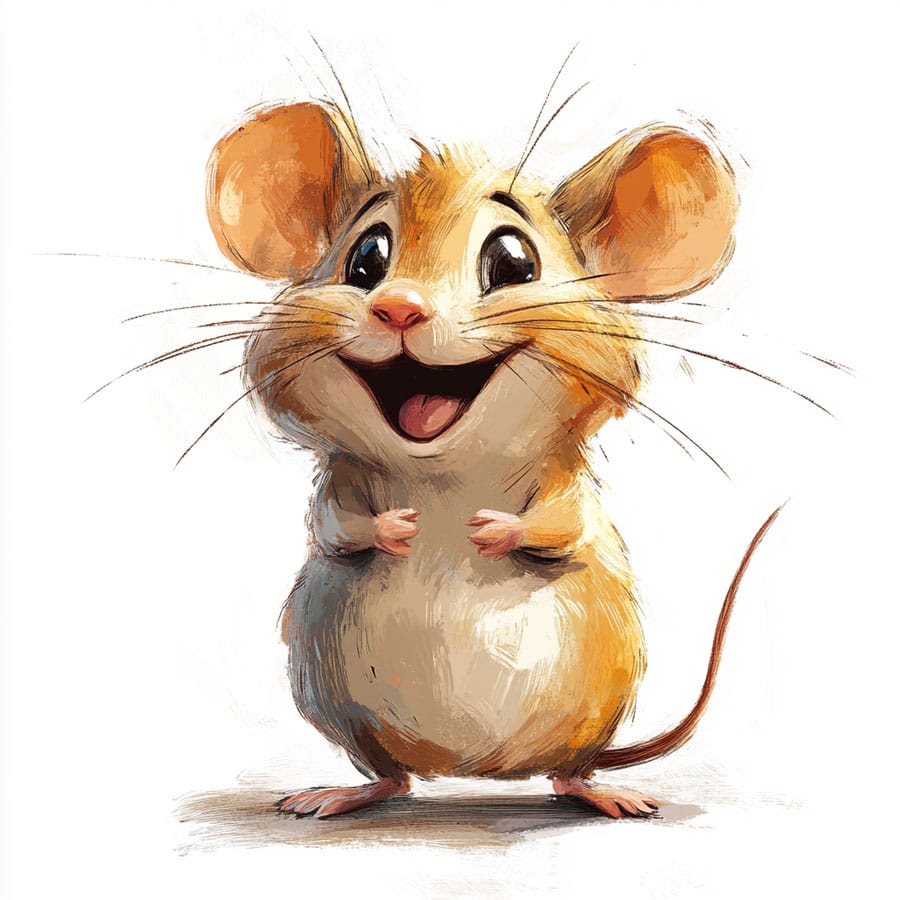
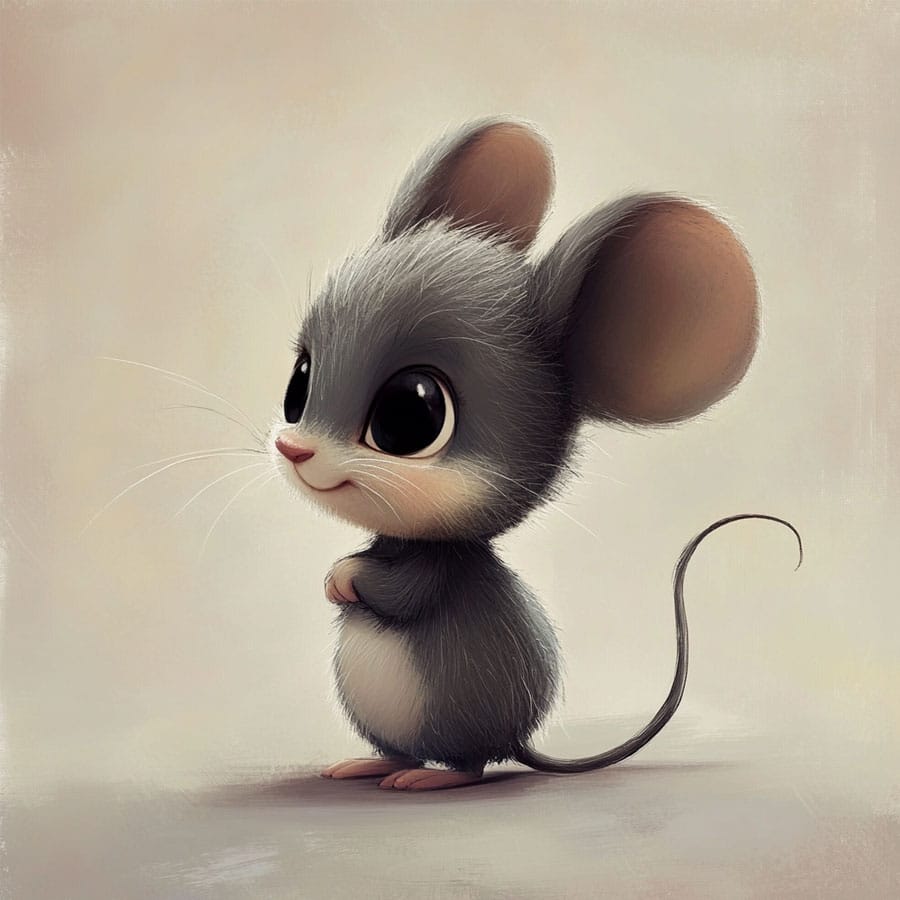
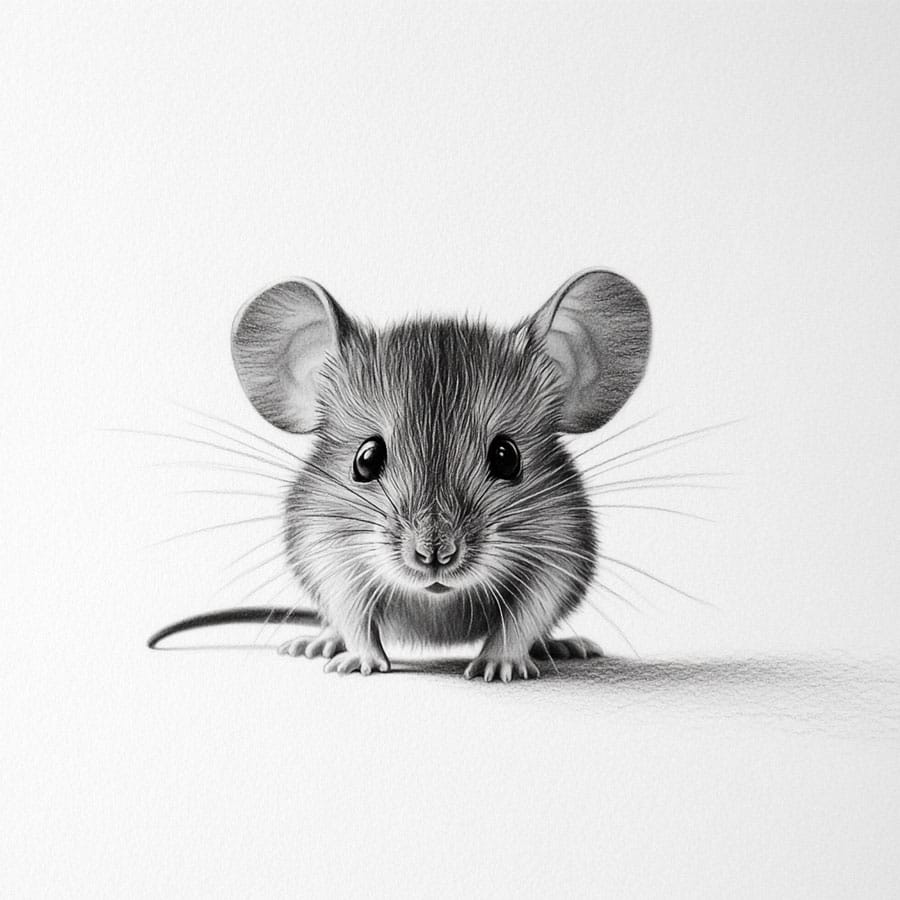
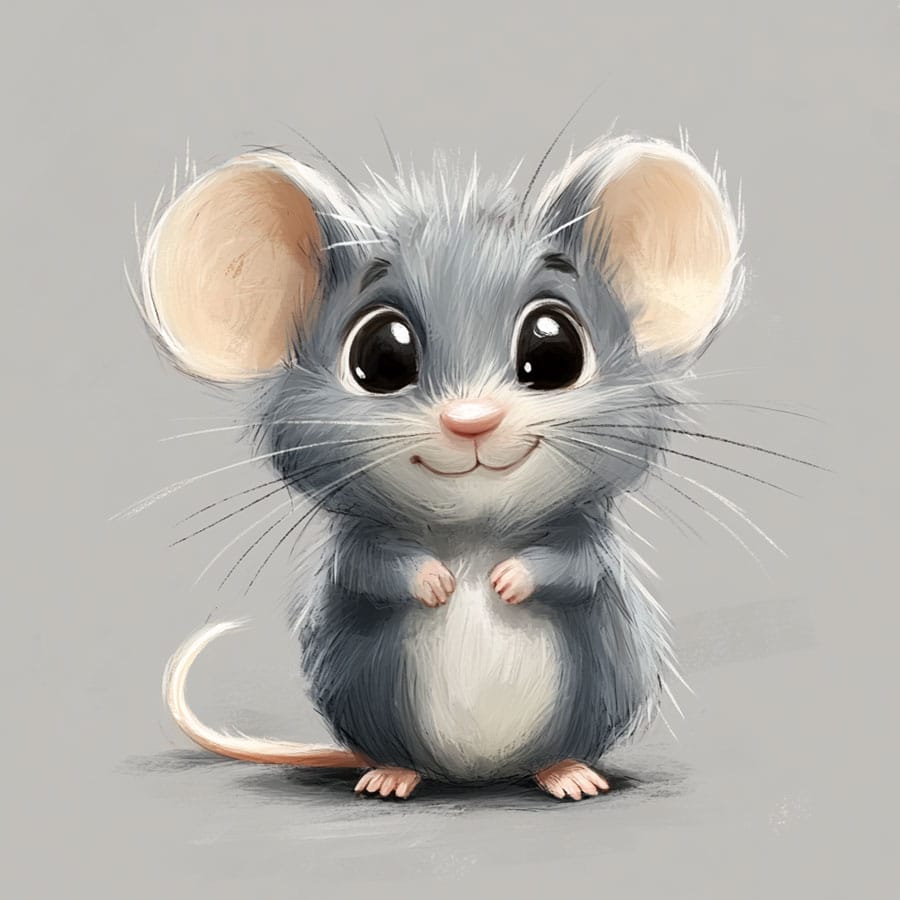
This drawing features a cheerful mouse enjoying a large piece of cheese, with details that convey a joyful and playful scene. Mice, often depicted in stories and fables, are animals that evoke curiosity and sympathy, especially when shown in everyday situations like this. This type of illustration is perfect for children to experiment with different coloring techniques while developing their artistic skills.
Tips and tricks
How to Color the Mouse and the Cheese
To color the mouse, shades of light gray or soft brown can be used for its fur, applying shadows in areas close to the body and highlighting with a lighter color on the ears and snout. The inside of the ears can be colored a pale pink for a more realistic and cute look. The eyes can be colored with a shiny black, leaving a small white space to simulate a light reflection and add vitality to the expression.
The cheese: A vibrant yellow will bring the drawing to life. Darker tones can be applied around the edges of the holes to create depth and a three-dimensional effect. Soft shadows on areas close to the mouse and on the cheese pieces scattered on the ground will add a touch of realism.
Additional details: To enhance and add a touch of brightness, use a white pencil or glitter marker on the highlighted areas of the cheese and the mouse’s fur. For the cheese pieces on the ground, small gray shadows beneath them can create the impression that they are on a surface and not floating.
Reflection on the Myth of Cheese and Mice, and Holes in Gruyere Cheese
The popular belief that mice love cheese above all else is more a product of fiction and cartoons than reality. In real life, mice prefer sweeter, higher-calorie foods like fruits and grains, though they may eat cheese if they come across it. This is a great opportunity to teach children to question what they see in the media and explore the difference between fiction and reality.
The holes in cheese, such as Gruyere cheese, are not caused by mice but by a natural fermentation process. During the maturation of the cheese, certain bacteria release gases that create bubbles, and when the cheese solidifies, these bubbles form the characteristic holes. This interesting fact about food can spark scientific curiosity and teach children about natural processes in the kitchen.
More colouring pages in the Pets category


Ideas para colorear tu dibujo de Mouse with cheese