
Printable sheet
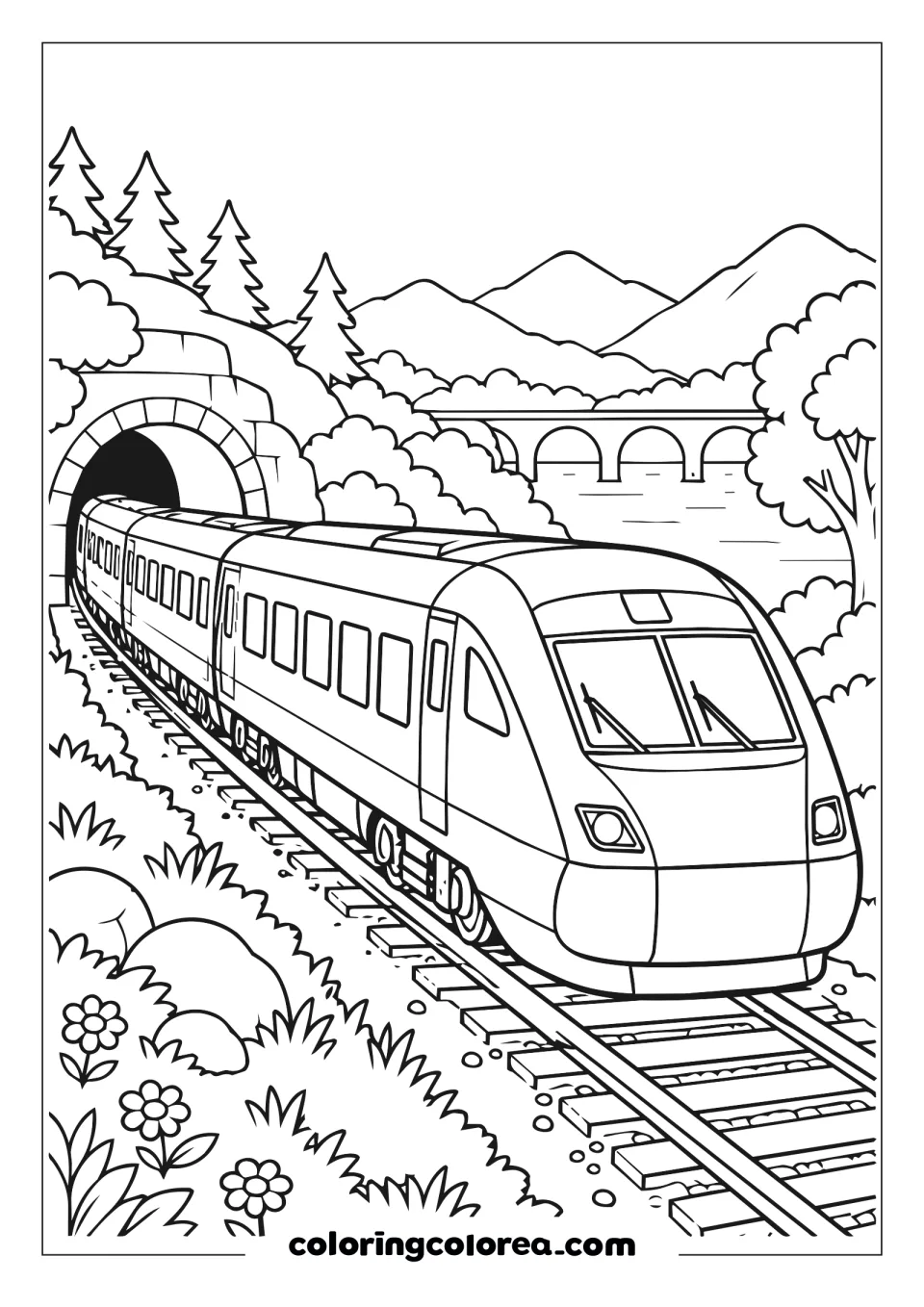
High-speed train bursting out of a mountain tunnel past flowers, with an arched viaduct in the distance. A detailed page, free as a PDF.
Printable sheet
Free for personal and educational use
Download PDFPrintStreamlined multi-car train exiting a tunnel, track with ties, stone viaduct with arches, mountains, pines, shrubs and flowers.
Add a colored stripe along the side of the train to show off its speed.
Find two cities linked by high-speed rail on a map and measure the distance.
The nose of one Japanese bullet train was shaped like a kingfisher's beak to cut tunnel noise.
A high-speed train can cover hundreds of miles in the time it takes to watch a movie. The story began in Japan in 1964, when a new line opened between Tokyo and Osaka with trains far faster than anything people had ridden before.
Other countries followed. France, Spain, China and many more built networks of their own, and Spain opened its first line between Madrid and Seville in 1992. In the United States, true high-speed rail is still rare, though California has been building a line meant to link its biggest cities.
Going that fast takes more than a strong motor. These trains run on special tracks with gentle curves and no road crossings, and they draw electricity from overhead wires. A long, smooth nose helps slice through the air and cuts the boom that happens when a train rushes into a tunnel.
Tunnels and viaducts, like the arched bridge in the background, are key because they let the line cross mountains and valleys almost in a straight path. For medium-length trips, high-speed rail also produces far less carbon dioxide per passenger than flying or driving.
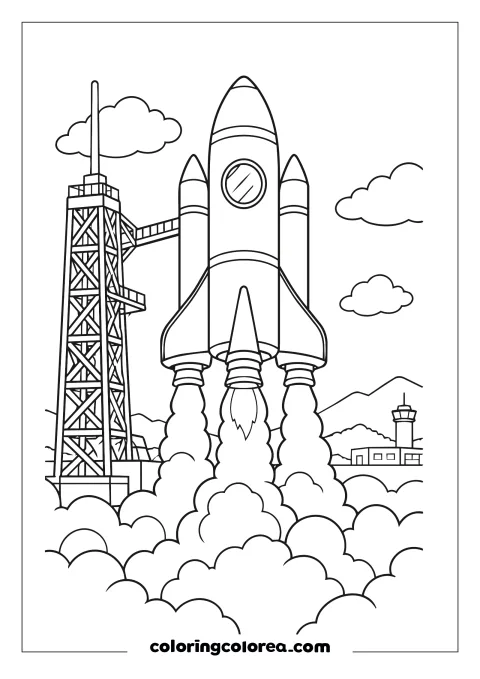 Blast Off! A Rocket Heads to SpaceTransport · Easy
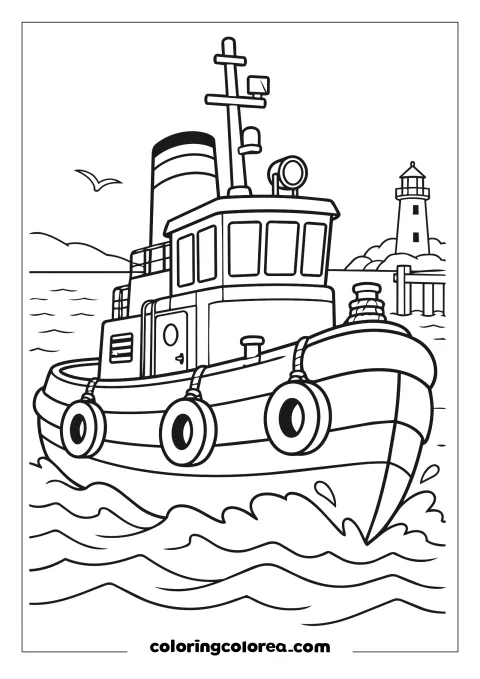 Little Tugboat Heading OutTransport · Easy
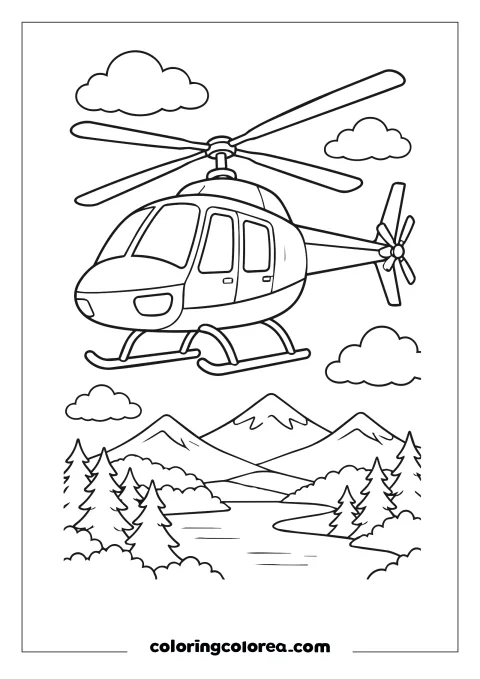 Helicopter Flying Over the PeaksTransport · Easy
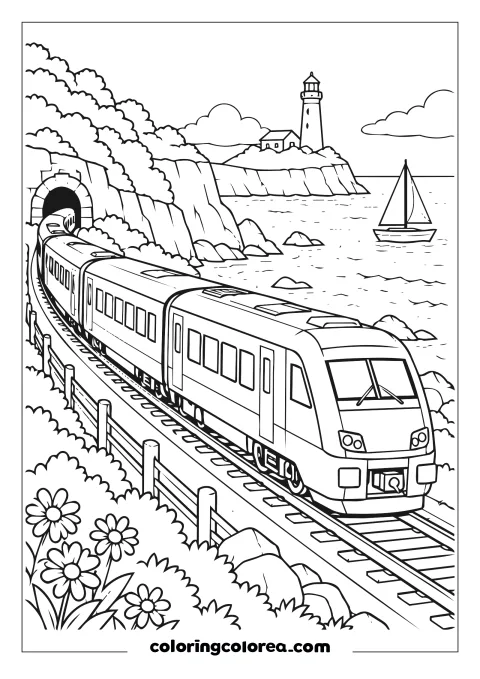 Coastal Train by the LighthouseTransport · Hard
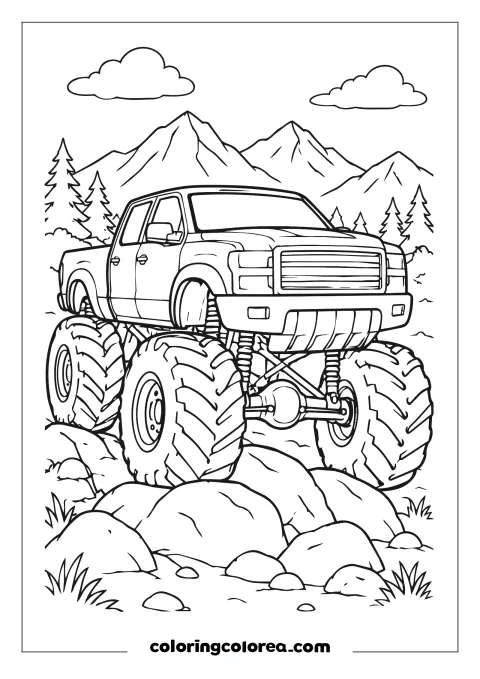 Monster Truck Perched on BouldersTransport · Medium
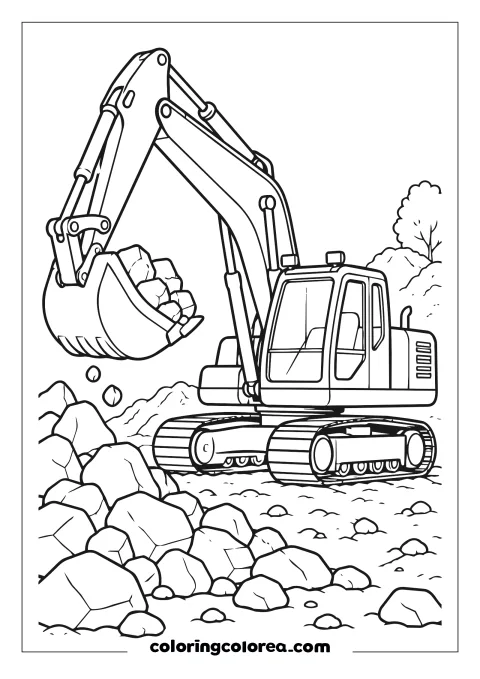 Excavator with a Bucket of BouldersTransport · Medium
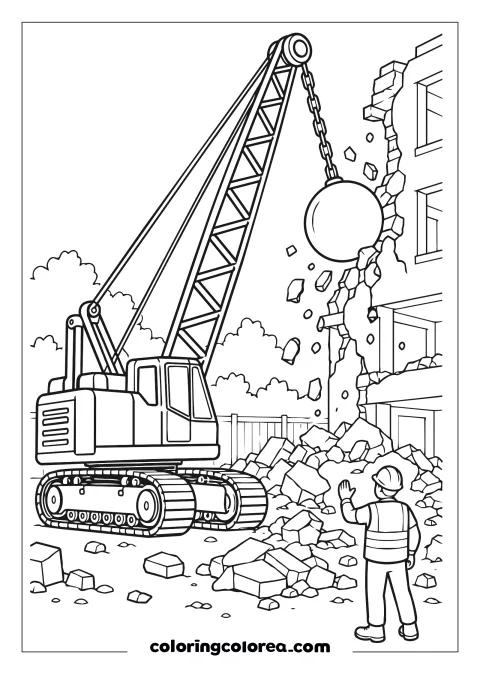 Wrecking Ball Knocks Down a WallTransport · Medium
 Crane Truck Hoisting a PalletTransport · Medium