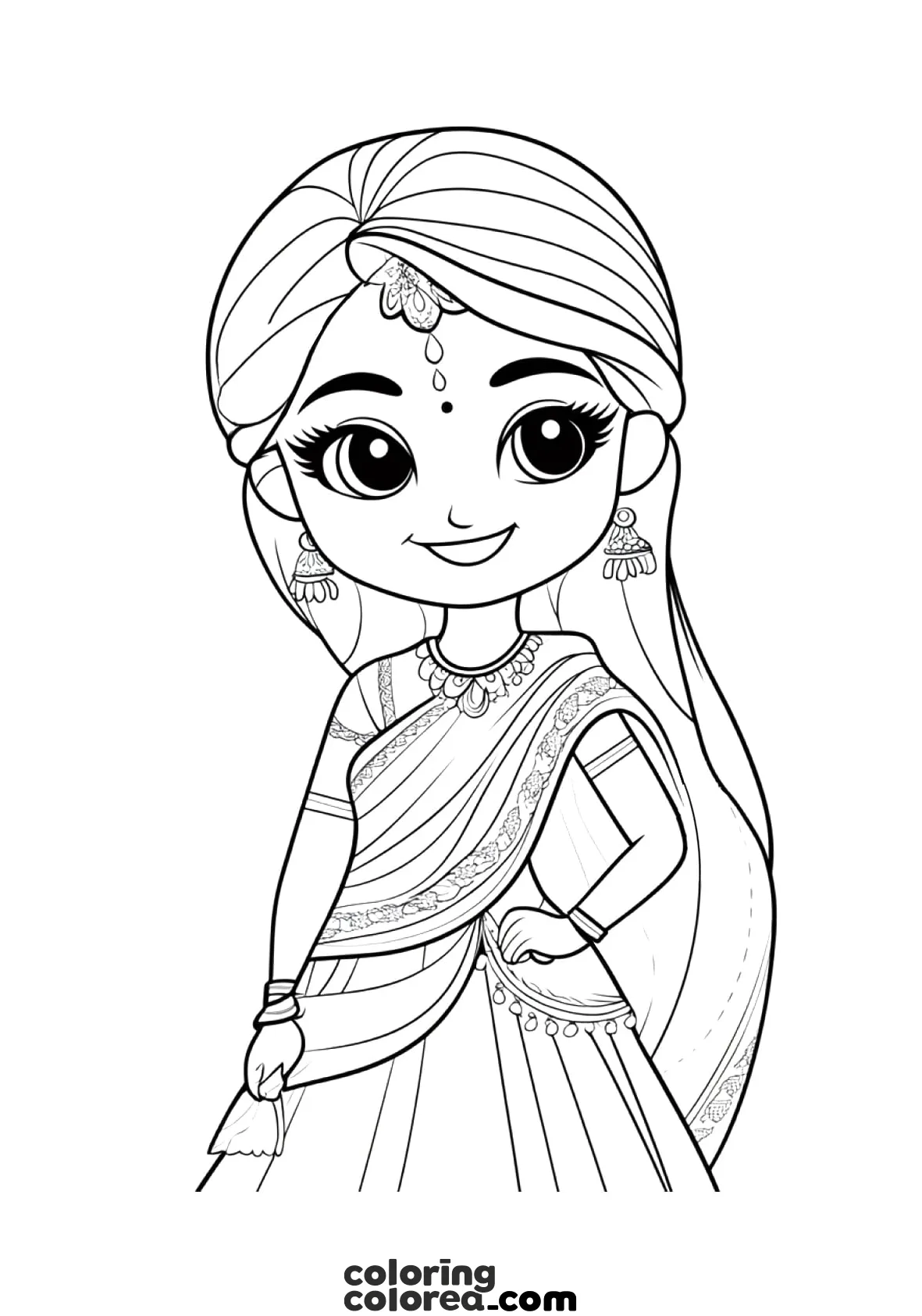
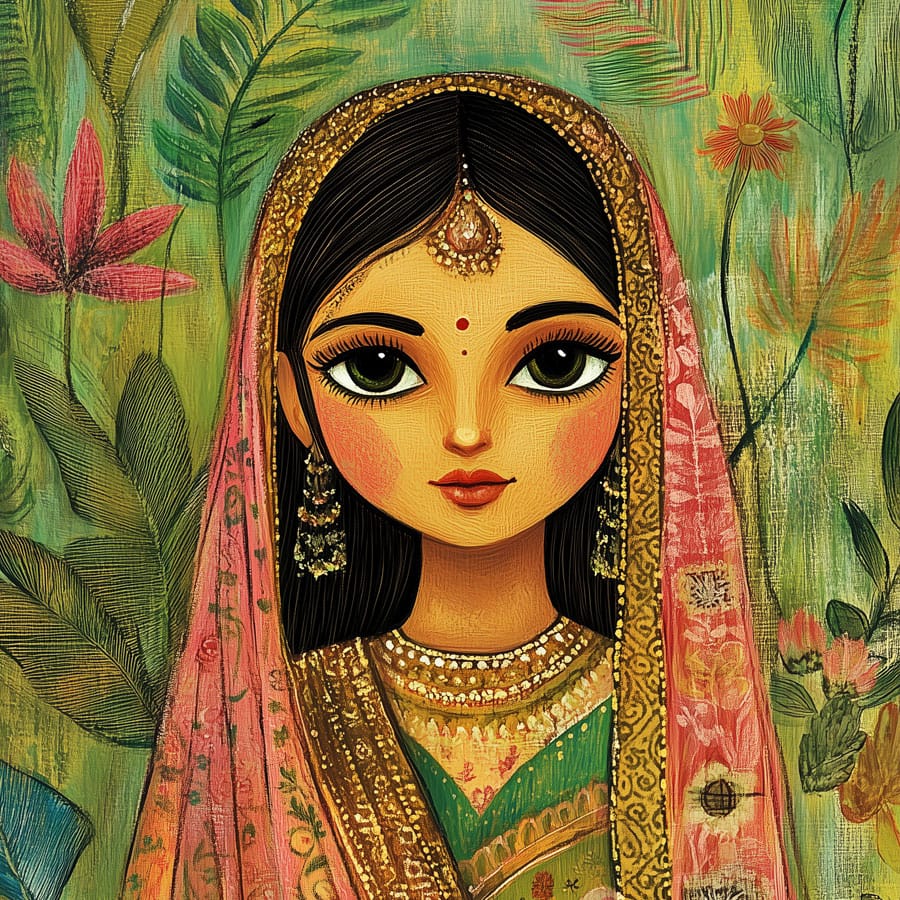
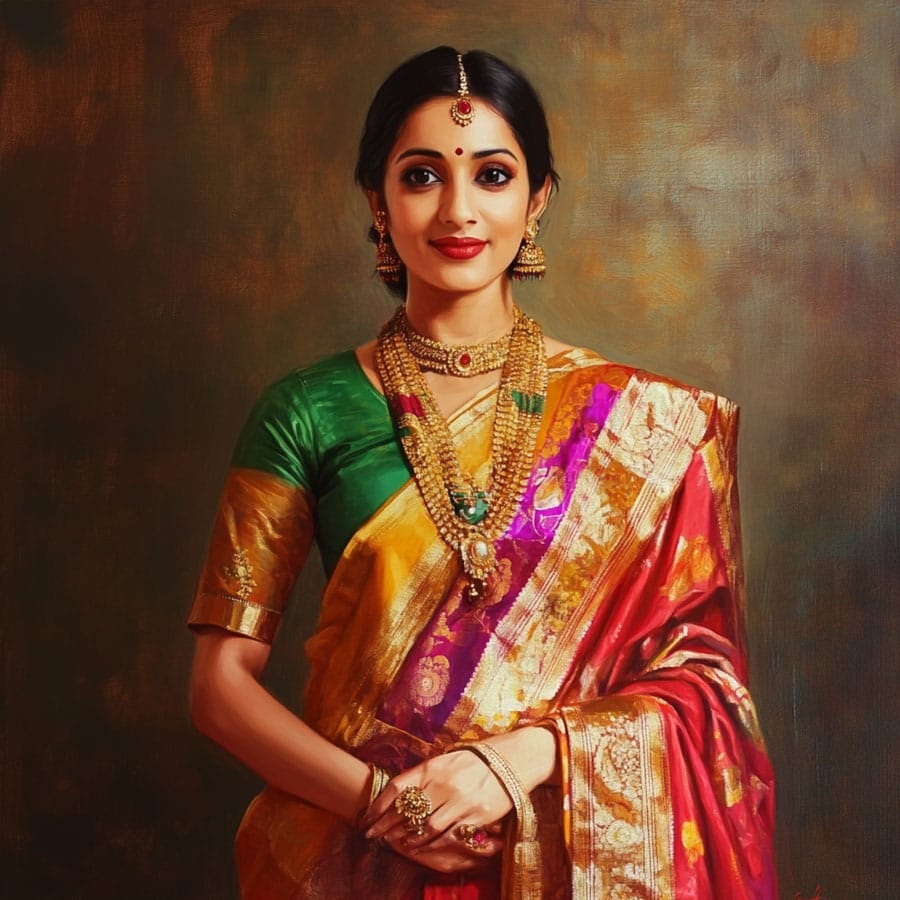
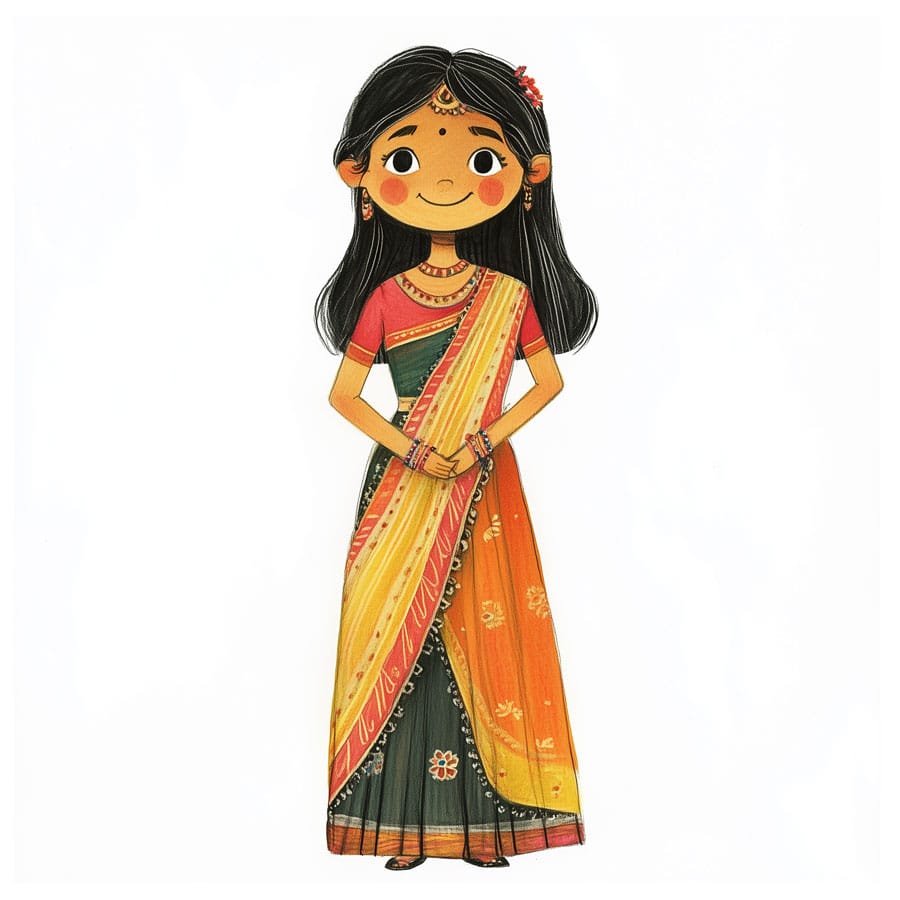
Dibujo para colorear de Indian princess. Tipo: Imagen educativa para imprimir gratis. Público objetivo: 3-12 años. Formato: A4 21x29,7 cm. Dificultad: normal. Licencia: Uso personal y educativo gratuito (CC BY-NC-ND 4.0). Categorías: Other, Monuments and Countries, Princesses and Princes. Idioma: English. Creado por: ColoringColorea. Generado con asistencia de IA por ColoringColorea
Contenido:
Dibujo para colorear de Indian princess
Tipo:
Imagen educativa para imprimir
Público objetivo:
3-12 años
Formato:
A4 21x29,7 cm
Licencia:
Uso personal y educativo gratuito (CC BY-NC-ND 4.0)
Categorías:
Other, Monuments and Countries, Princesses and Princes
Dificultad:
normal
Idioma:
English
Creado por:
Generado con asistencia de IA por ColoringColorea
Have you ever dreamed of being an explorer, travelling to distant lands and discovering new cultures? With this drawing, you can embark on an adventure to India without leaving your home!
Join us as we meet a beautiful Indian princess, a figure full of charm and mystery. You will learn many things about India’s rich history and traditions. You will discover the beauty of saris, the elegance of jewellery, and the importance of cultural symbols. Get ready for a journey full of color and fun!
Artificial Intelligence:
Some images and texts have been created using Artificial Intelligence. However, all of them undergo a process of control and photographic retouching, vectorization and/or redrawing that makes them unique and safe.
Logos and Trademarks:
Logos or company names are used for identification purposes only
and may be trademarks of their respective owners
Licence:
The generated images are in the Public Domain but are licensed under CC BY-NC-ND 4.0.
Did you like it?
Thank you for visiting ColoringColorea! Share our site with your friends!
Other coloring pages in the category Princesses and Princes
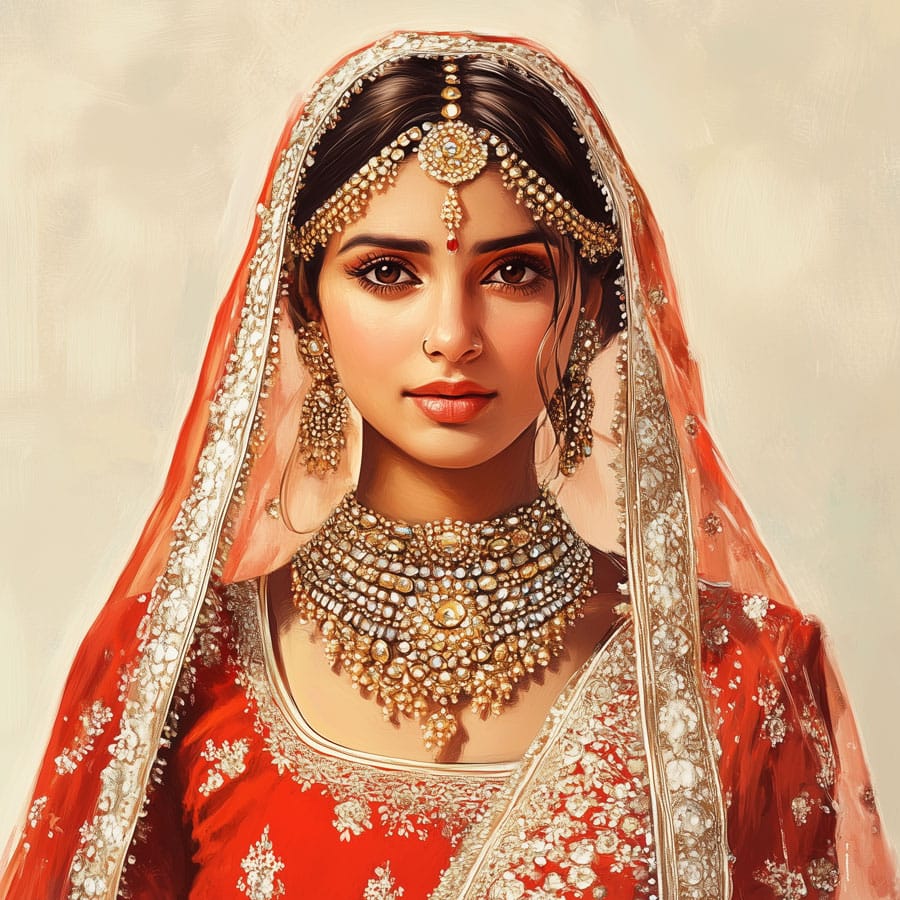
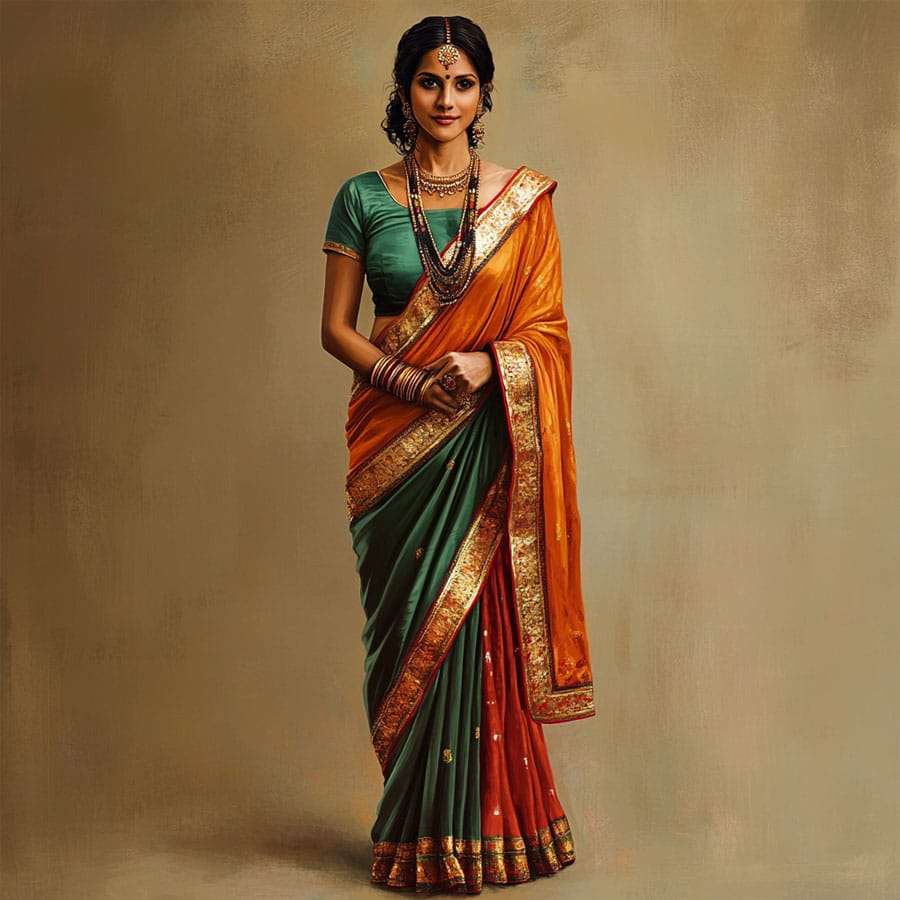
To color the Hindu princess, begin by selecting warm skin tones, such as peach or caramel, depending on how you wish to portray her. The hair, traditionally dark, can be colored in shades of black or brown with soft highlights for texture and shine.
The sari is the centrepiece of the attire, and you can play with vibrant colors like red, gold, sapphire blue, or emerald green, combining them with golden or silver accents for the fabric’s decorations. Use metallic pencils or glitter markers to highlight the embroidery and patterns. Pay special attention to the jewellery, such as earrings, necklaces, and bangles, which can be colored in gold, silver, or even with red, blue, or green details to mimic gemstones.
For the background, opt for soft tones like beige or light yellow to convey cultural warmth, or even add details like flowers or traditional Indian landscapes. Use gradient techniques to add depth to the drawing and emphasize the textures of the outfit and accessories.
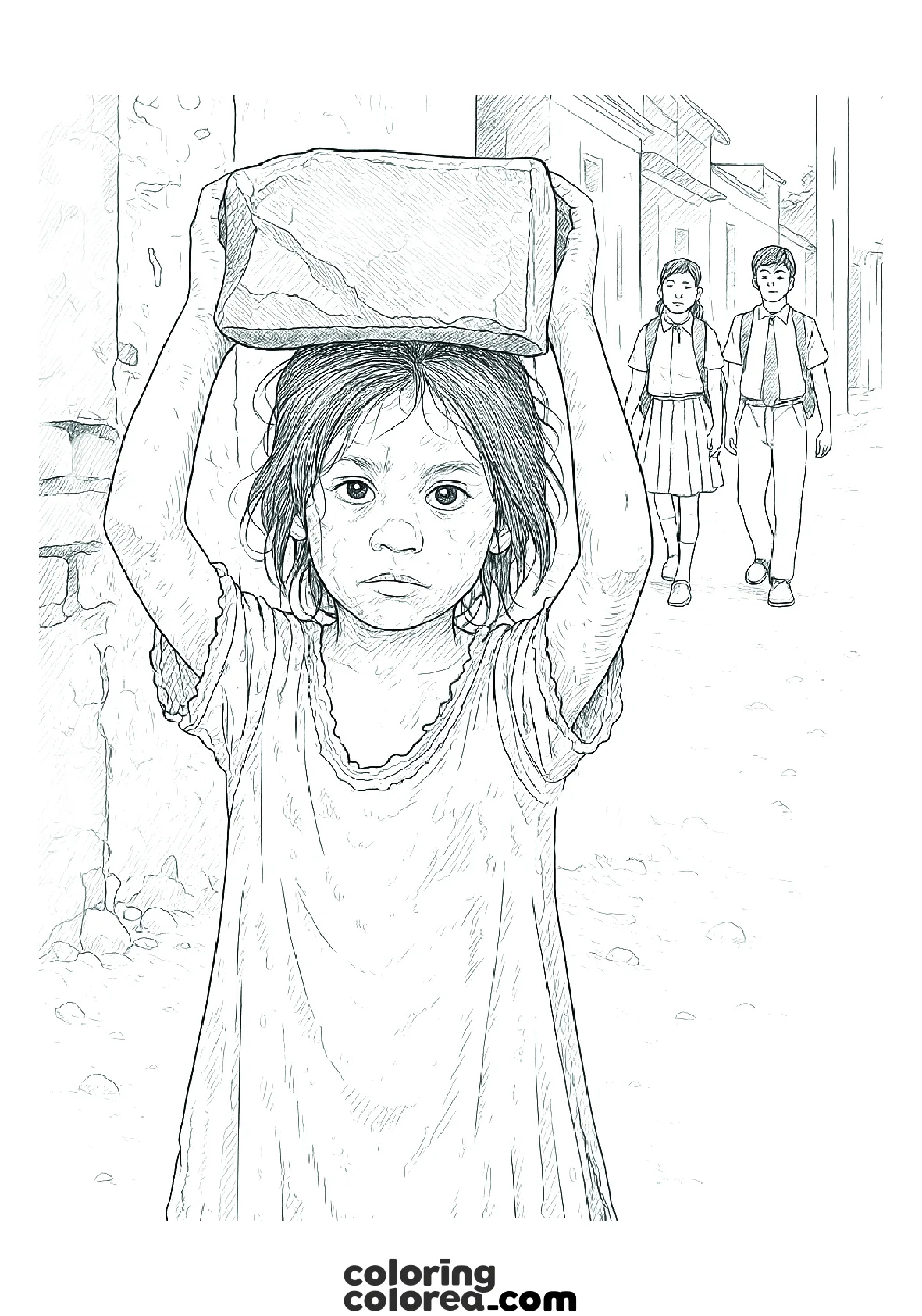
Learn about and reflect on social hierarchies.
The figure of a Hindu princess takes us back to a social system deeply rooted in India’s history: the caste system. This system divides society into strict hierarchies, where each person belongs to a specific caste from birth, determining their opportunities and role in the community. At the top are the Brahmins, priests and teachers, followed by the Kshatriyas, nobles and warriors, like the princess in this drawing. Below them are the Vaishyas, merchants and farmers, and the Shudras, workers and servants. Outside of these castes are the Dalits, historically referred to as “untouchables,” who have endured centuries of discrimination and marginalization.
While this structure has been officially abolished in India, it still impacts the lives of millions, perpetuating inequalities in access to education, employment, and social justice. While the princess may symbolize elegance and privilege, it is important to remember that not everyone has the same access to such opportunities.
Reflecting on these differences is essential to fostering empathy and respect for all individuals, regardless of their origin. This drawing not only invites us to admire cultural richness but also to question historical inequalities and appreciate the importance of building a more equitable society, where everyone has the opportunity to reach their full potential without barriers imposed by their birth.