
Printable sheet
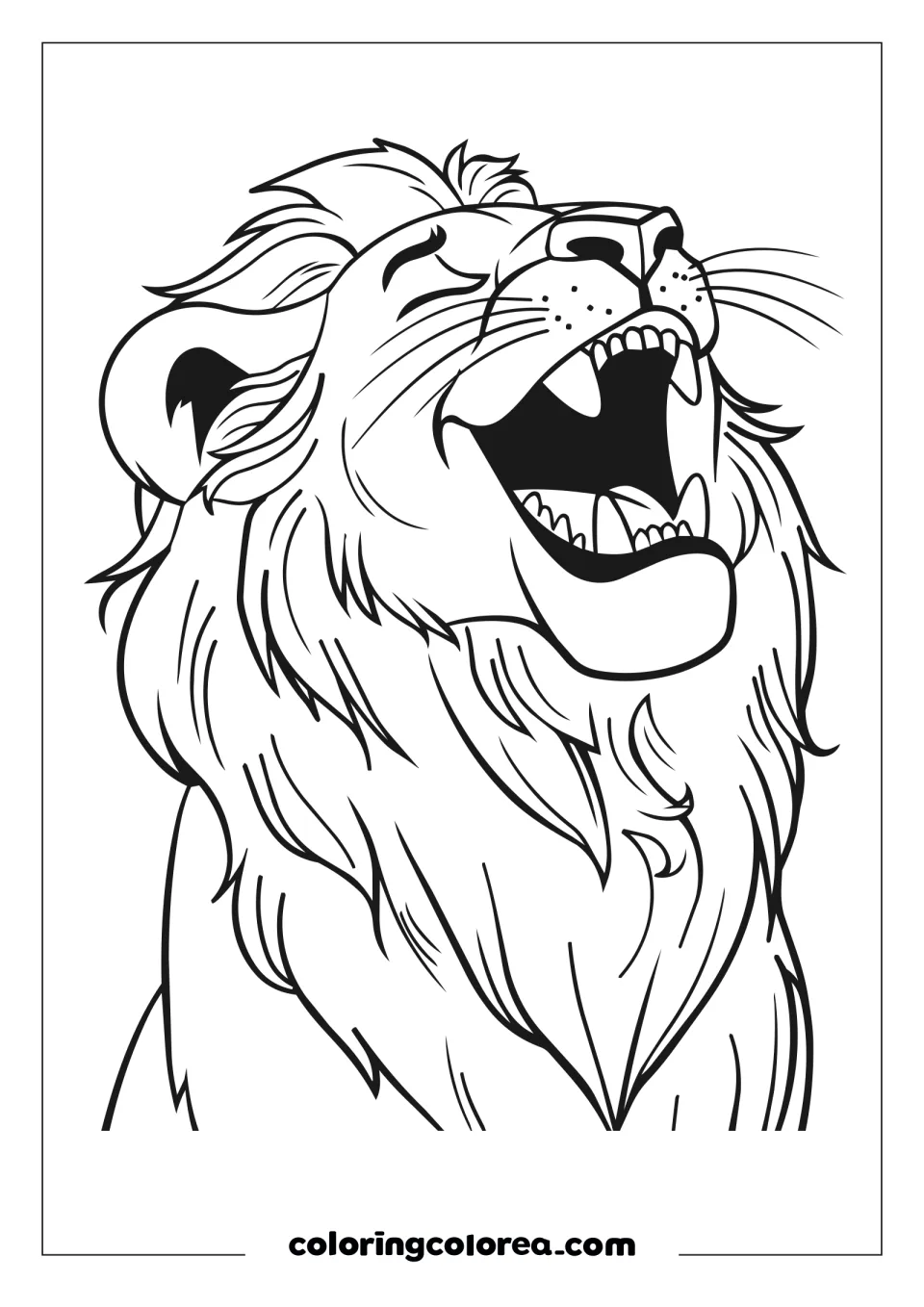
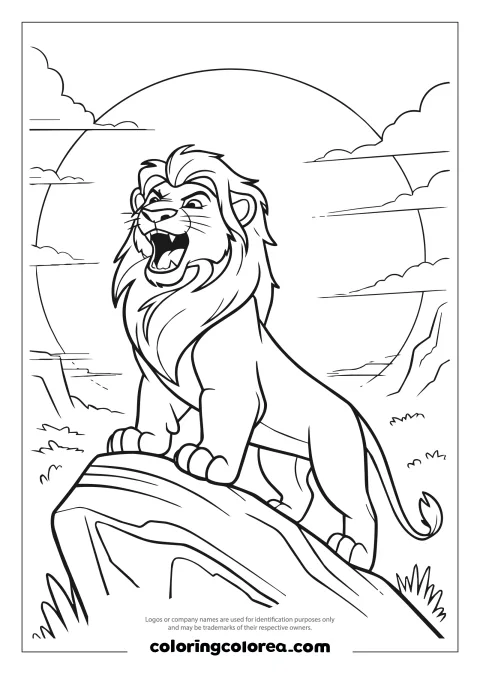
This roaring lion throws its head back, showing off sharp fangs and a huge flowing mane. Download the free PDF and make this bold portrait your own.
Printable sheet
Free for personal and educational use
Download PDFPrintA close-up side view of a lion with its head raised, eyes closed, mouth wide open and a long wavy mane.
Layer golds and browns through the mane, keeping the tips lighter to add depth.
Listen to a lion's roar online, then compare it with the sounds of other big cats.
The lion is the second-largest cat in the world, behind only the tiger.
A roaring lion can be heard from miles away, and on a still night that sound may travel as far as five miles across the savanna. Few land animals come close to that kind of volume. Yet a roar isn't just an angry outburst. It is the most important long-distance message a lion can send.
That power comes from anatomy. Lions belong to a small group of big cats, along with tigers, leopards and jaguars, that are built to roar. Their voice box can vibrate with great force, and a chain of bones in the throat is more flexible than the one found in smaller cats like house cats. Push air through all that and you get a deep rumble that people nearby can feel in their chests.
Mostly, lions roar to announce themselves. A roar tells neighboring lions that a territory is taken and that trespassers aren't welcome. It also keeps a scattered group connected. Pride members often split up to rest or hunt, and calling out helps them find each other without ever being in sight.
Males and females both roar, though the male voice runs deeper. Evenings, nights and the hours before sunrise are the busiest times, and several lions will often join in together. A typical round opens with a few soft moans, builds to full-throated roars and fades out in a string of short grunts.
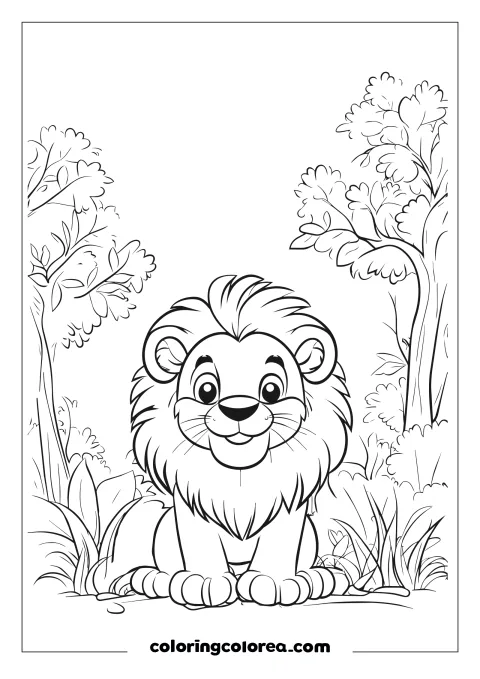 Friendly Lion in the WoodsWild · Easy
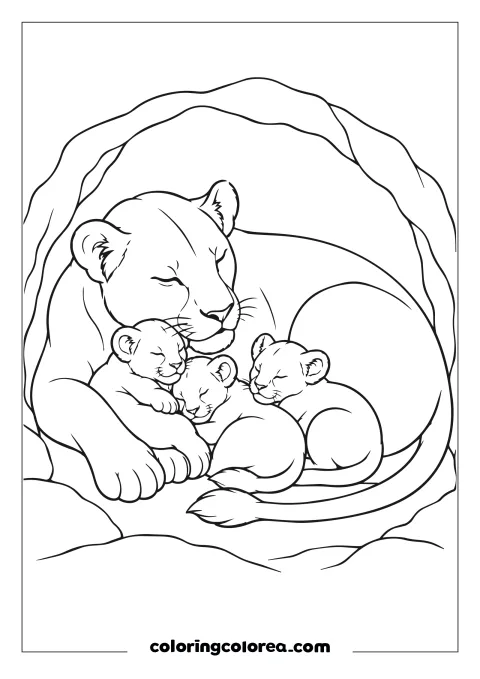 Lioness with Three Cubs in a DenWild · Medium
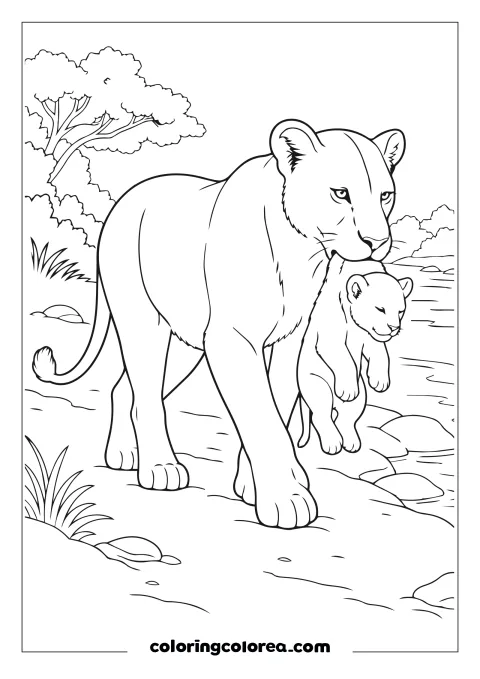 Lioness Carrying Her CubWild · Medium
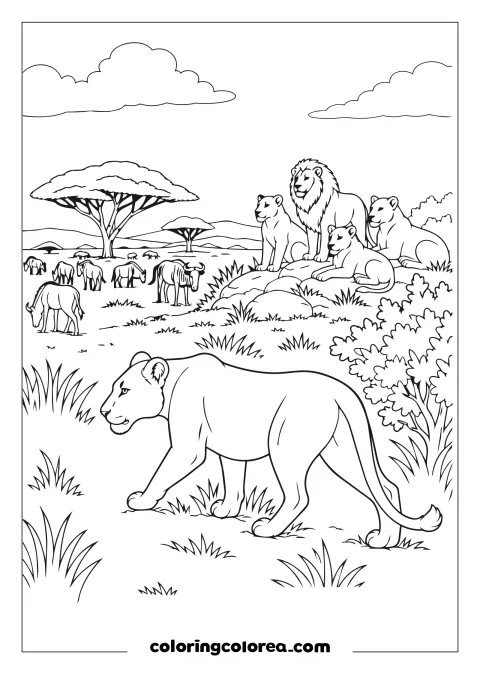 Stalking Lioness on the SavannaWild · Hard
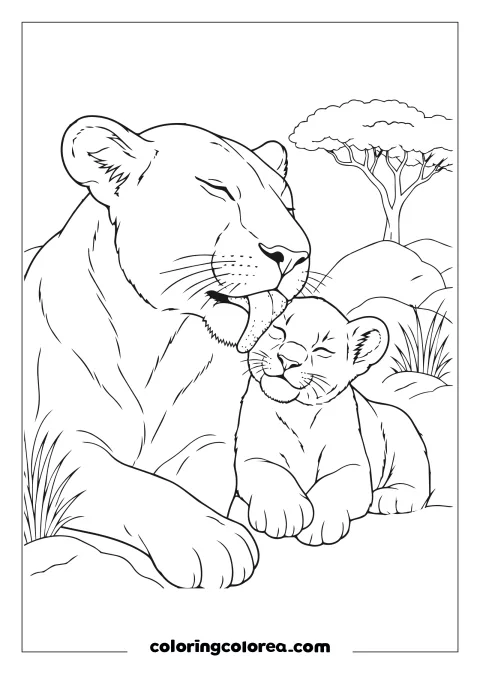 Lioness Licking Her CubWild · Medium
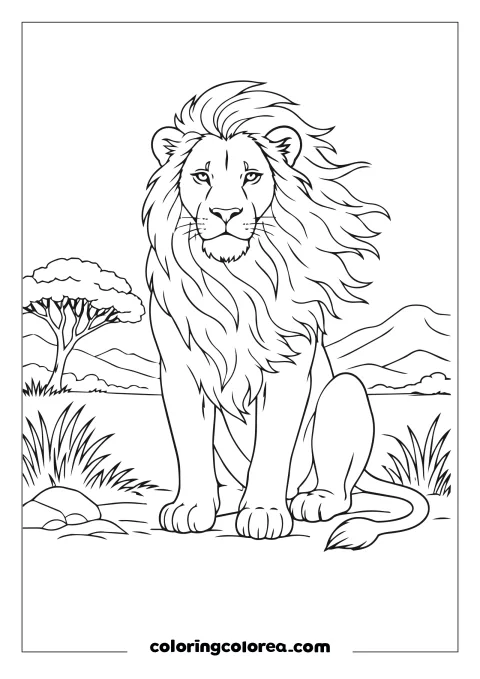 Lion with Flowing ManeWild · Medium
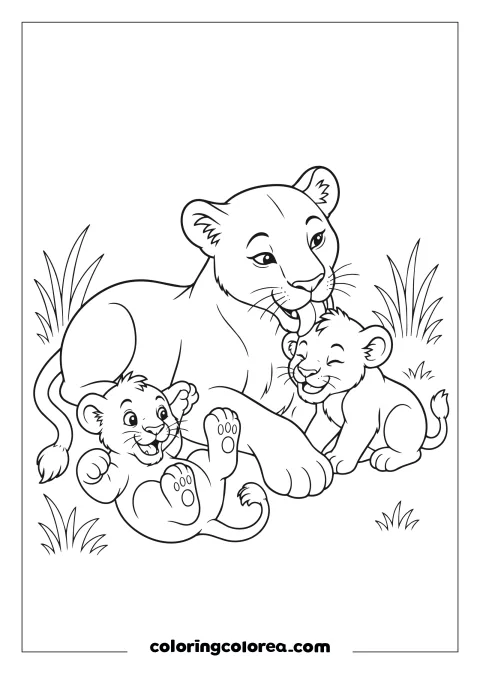 Lioness Playing with CubsWild · Easy
 Roaring Lion Against the SunWild · Medium