
Printable coloring page
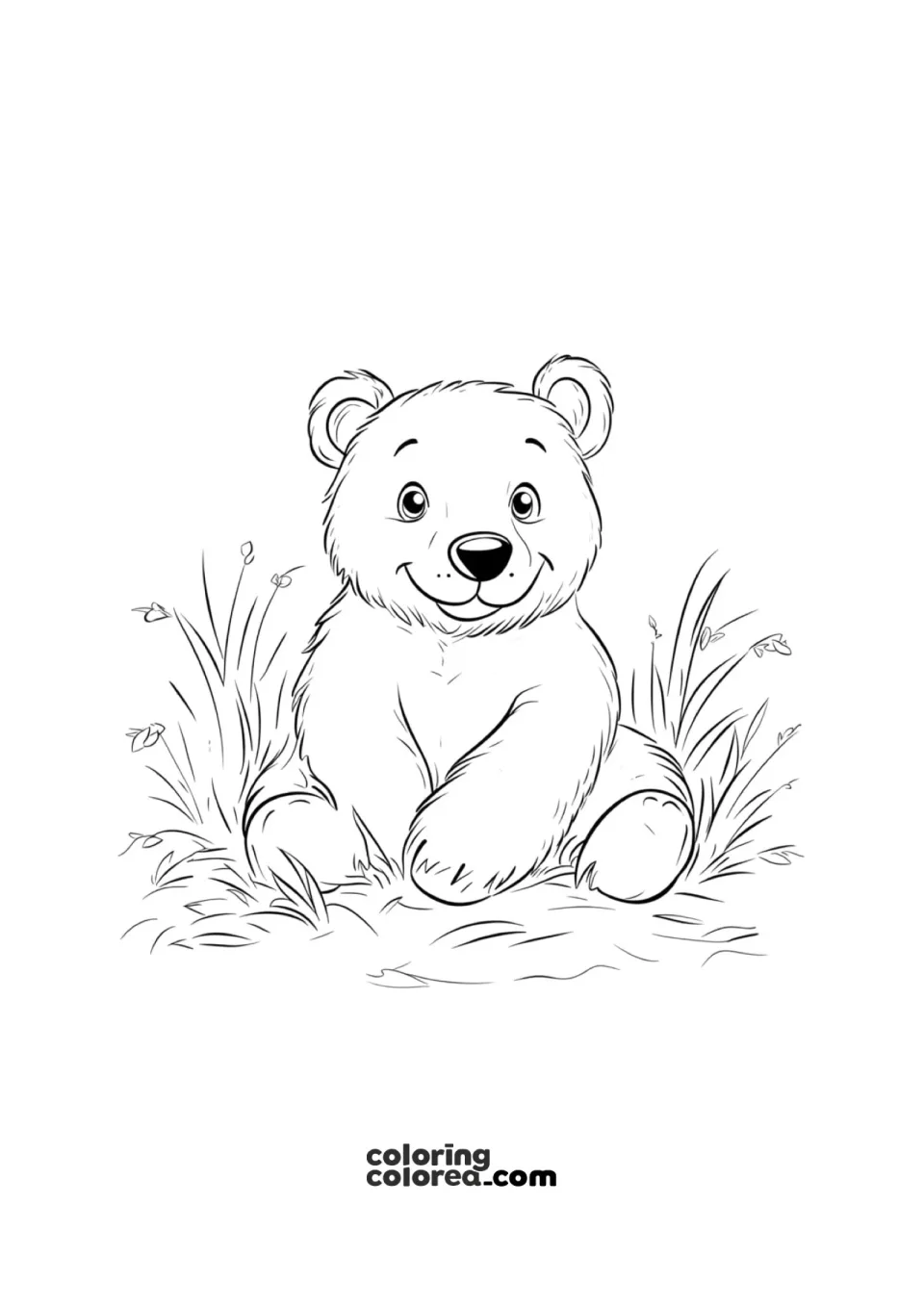
Learn more about teddy bears and teddy bears by coloring in this drawing. I'm sure you have lots of them at home - tell us what they are called!
Printable coloring page
Free for personal and educational use
Download coloring page (PDF)PrintColor it in your browser, no sign-up needed. Your progress is saved on this device.
A little bear sitting on the grass.
Use lighter brown on the tummy and darker on the body.
Name it and say what it likes to eat.
Polar bears have black skin beneath their fur.
Bears are large and powerful mammals that inhabit various regions of the world, from forests and mountains to polar areas. Known for their strength and adaptability, bears are mostly solitary animals, although mothers care for their cubs with great dedication. Bear cubs are especially curious and playful, learning everything they need for survival from their mother. This stage of exploration and play is essential for their development, allowing them to build skills and strengthen family bonds.
The origin of teddy bears dates back to the early 20th century. The story goes that in 1902, U.S. President Theodore Roosevelt refused to shoot a bear during a hunting trip. This act of compassion inspired a toy maker to create a teddy bear in his honor, which quickly became popular and was named “Teddy Bear.” Since then, teddy bears have symbolized love, comfort, and friendship, becoming faithful companions to children and adults worldwide. Teddy bears are a symbol of security and tenderness, evoking memories of childhood and happy moments.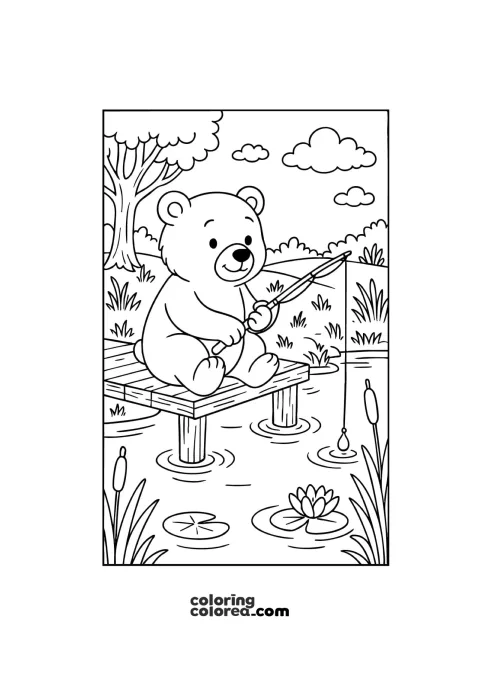 Adorable bear fishingForest animals · Easy
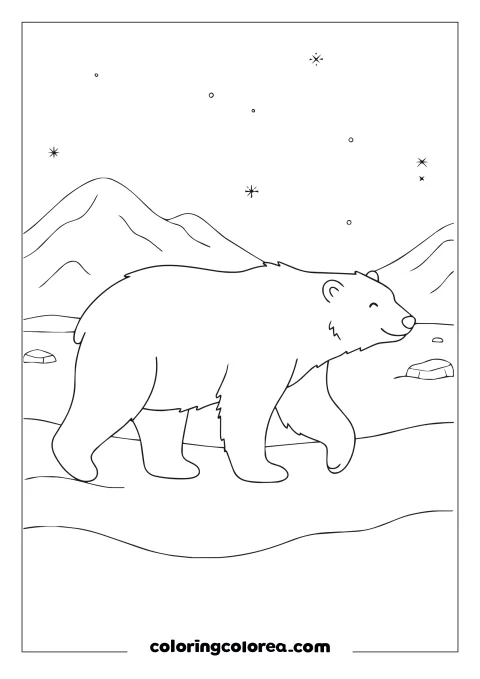 Polar Bear Walking Across the ArcticWild · Easy
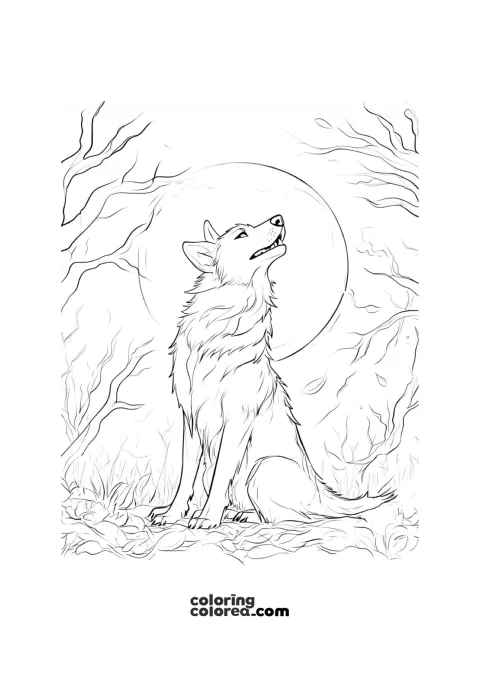 Howling at the moonForest animals · Easy
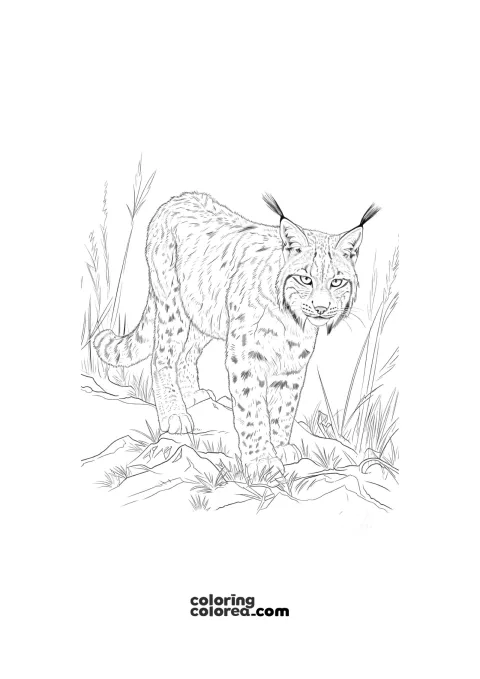 Iberian LynxForest animals · Medium
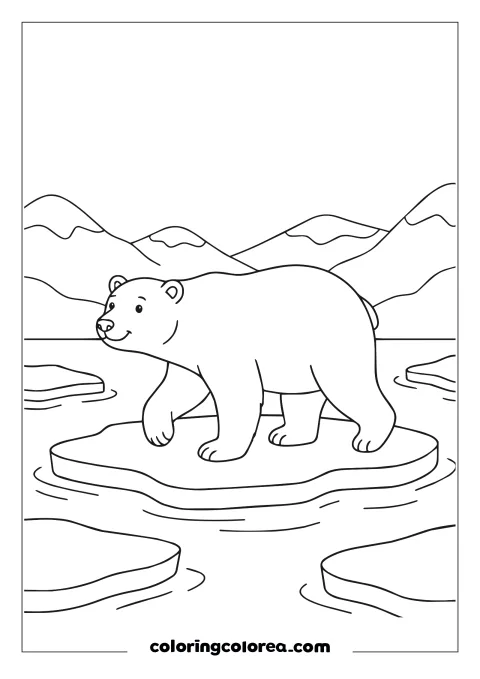 Polar Bear on a Floating Ice FloeWild · Easy
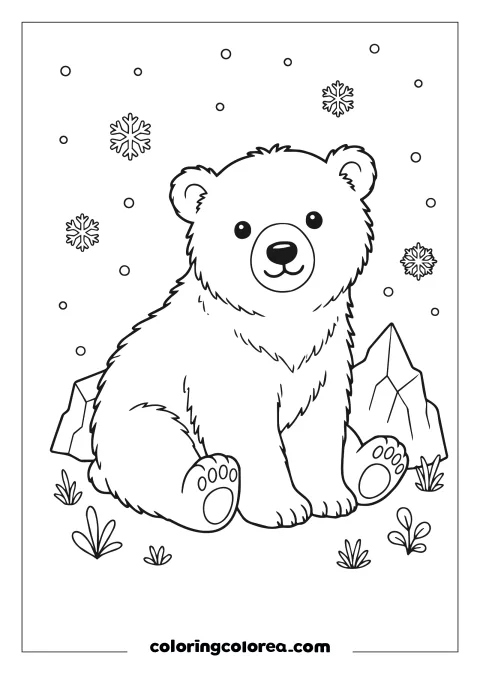 Baby Polar Bear Sitting in the SnowWild · Easy
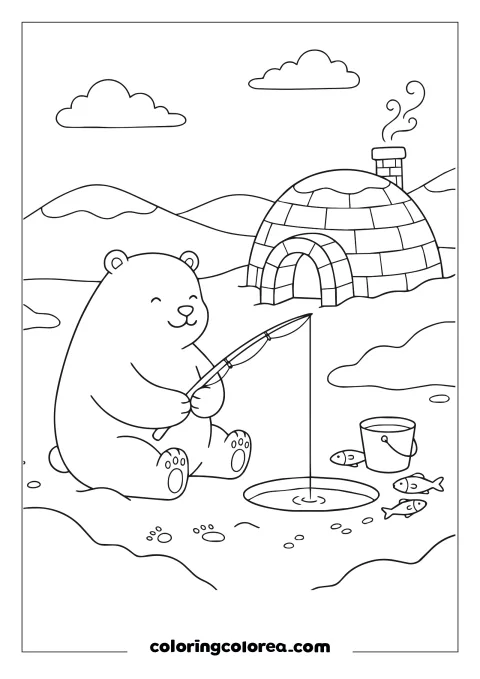 Polar Bear Ice Fishing by an IglooWild · Easy
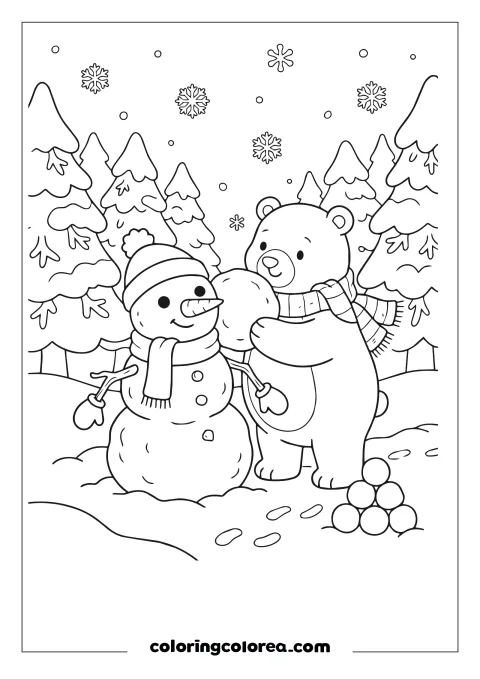 Polar Bear Building a SnowmanWild · Easy