

Free coloring pages of Iberian Lynx
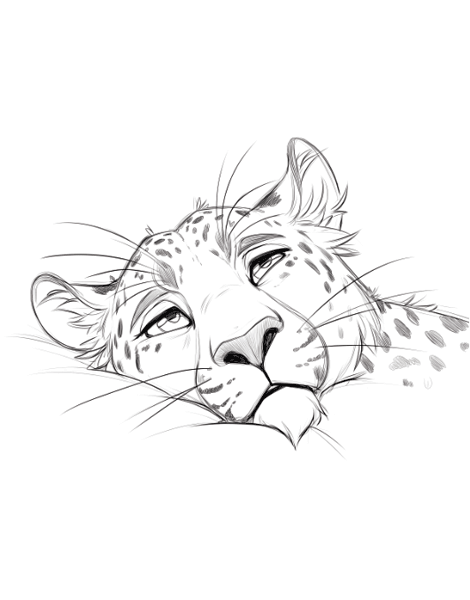
A iberian lynx ready to fill with color. Finish it your way, then print when you’re happy.
Artificial Intelligence: Some images and texts have been created using Artificial Intelligence. However, all of them undergo a process of control and photographic retouching, vectorization and/or redrawing that makes them unique and safe.
Logos and Trademarks: Logos or company names are used for identification purposes only and may be trademarks of their respective owners
Licence: The generated images are in the Public Domain but are licensed under CC BY-NC-ND 4.0.
Description
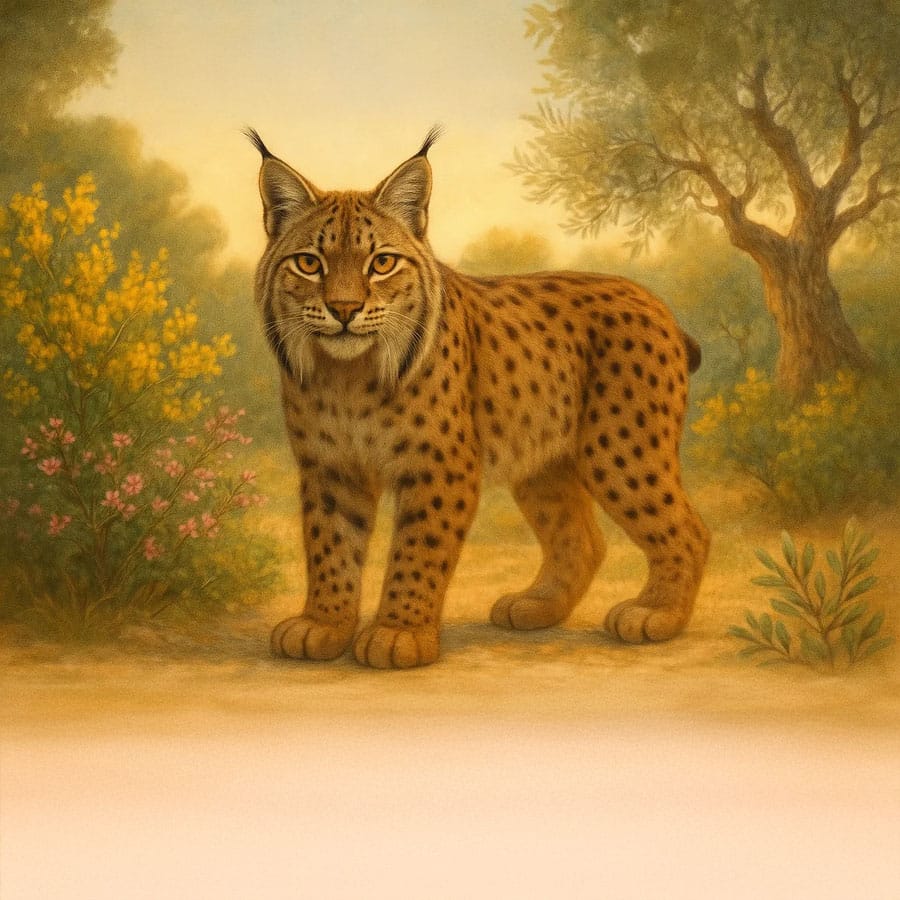
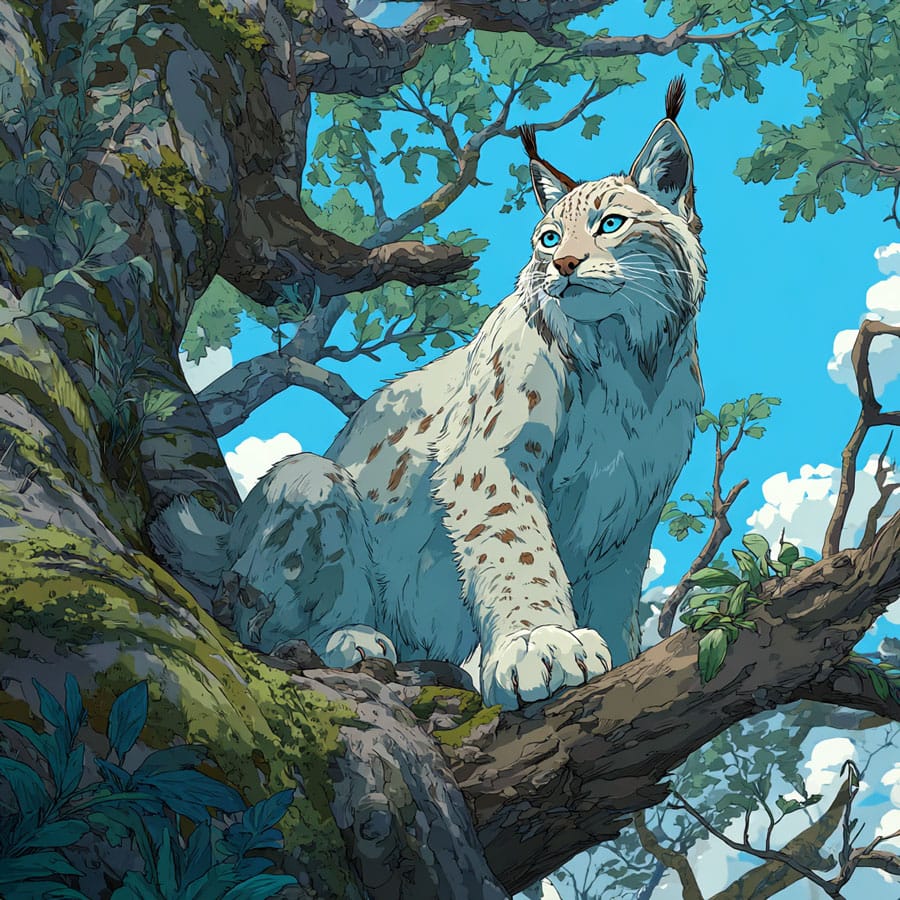
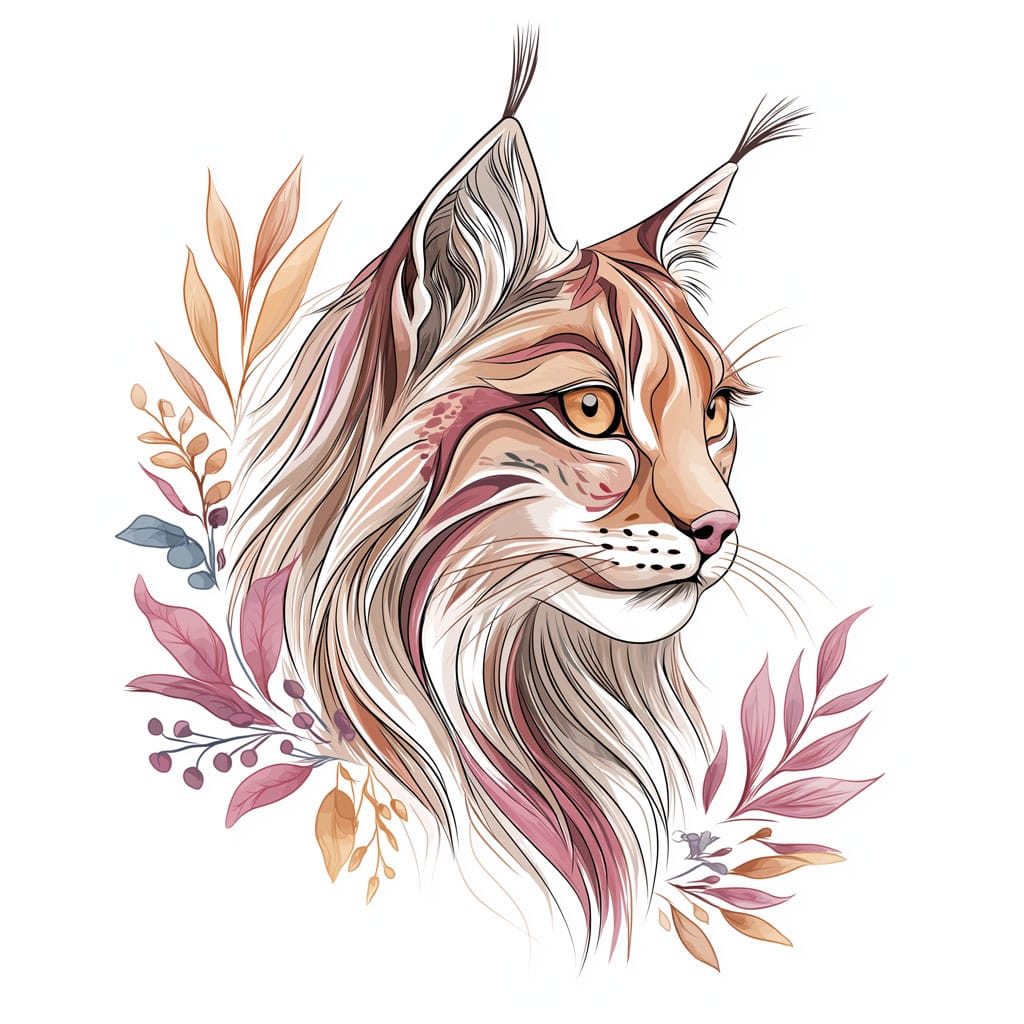
This drawing is perfect for practicing texture techniques. The lynx has thick fur, covered in dark spots, golden and gray tones, and lighter areas around the belly and chest. Start with a soft golden-brown or light ochre base using colored pencils. Then, build volume by adding darker browns along the back and behind the ears.
Don’t use plain black for the spots. Try mixing dark brown with hints of graphite or cool gray. This gives depth and makes the fur feel real. Keep the spots uneven—lynx fur isn’t a perfect pattern. You can also use a kneaded eraser to lift color from the fur to add brightness gently.
The lynx’s ears are full of character. Those black tufts are iconic. Use a sharp black pencil, but draw fine strokes in the direction of the fur—not solid shapes. That gives a more natural look.
Tips and tricks
Ideas and tips for colouring the Iberian lynx:
The lynx has thick fur, covered in dark spots, golden and gray tones, and lighter areas around the belly and chest. Start with a soft golden-brown or light ochre base using colored pencils. Then, build volume by adding darker browns along the back and behind the ears.
Don’t use plain black for the spots. Try mixing dark brown with hints of graphite or cool gray. This gives depth and makes the fur feel real. Keep the spots uneven—lynx fur isn’t a perfect pattern. You can also use a kneaded eraser to lift color from the fur to add brightness gently.
The lynx’s ears are full of character. Those black tufts are iconic. Use a sharp black pencil, but draw fine strokes in the direction of the fur—not solid shapes. That gives a more natural look.
The lynx’s eyes deserve attention. Leave a tiny white dot uncolored to show light reflection. Their eyes are usually deep amber or golden yellow. Start with a warm yellow base and deepen it with a burnt orange or light brown.
For the rocks under its paws, use a mix of grays, browns, and even pale lavender if you want to be creative. Horizontal strokes help shape the rock surface. You can use a white pencil to highlight sunlit edges.
The tall grasses around the lynx work well with muted greens, dry browns, and hints of yellow. Don’t make everything the same. Switch colors, change directions, and keep your strokes light to mimic wild grass.
Challenges and difficulties in colouring
The biggest challenge here is making the fur look real—not flat. Layering is key. Start with a gentle base color, then add shadows, and finally use thin pencil strokes to show strands of fur.
Another tricky part is the lynx’s expression. If you add too much shading around the eyes or mouth, it might look angry. Control your pencil pressure and keep some areas soft and lightly colored.
The fur around the neck looks almost like a mane. You can use lighter tones there—cream, light gray, or silver. Don’t color it all the same. Think about how light hits it, and make some parts brighter.
The legs are strong and muscular, so they need solid shadows to give them shape. Use dark browns and cross-hatching to create volume. For the claws, a mix of dark gray and white adds detail without making them look too sharp or scary.
Getting to know the lynx better
The Iberian lynx is one of the most endangered cats on Earth—and also one of the most mysterious. It lives in forests and scrublands across the Iberian Peninsula (Spain & Portugal) and moves quietly, almost invisibly.
Its eyesight is so sharp that it can spot a rabbit from over 300 meters away. And its ears? They’re not just pretty—they pick up the tiniest sounds, like a twig snapping.
Every lynx has a unique pattern of spots—like a fingerprint. When it walks, it places its paws carefully, barely making a sound.
Lynxes don’t roar or meow. They make soft, purring-like sounds that are almost impossible to describe unless you’ve heard them.
For many years, this wild cat was close to extinction. But thanks to lots of hard work, it’s slowly coming back. Coloring this lynx is also a way to celebrate it—to give color to its story.
Want to know more about lynxes? Click hereMore colouring pages in the Wild category


Ideas para colorear tu dibujo de Iberian Lynx