
Printable sheet
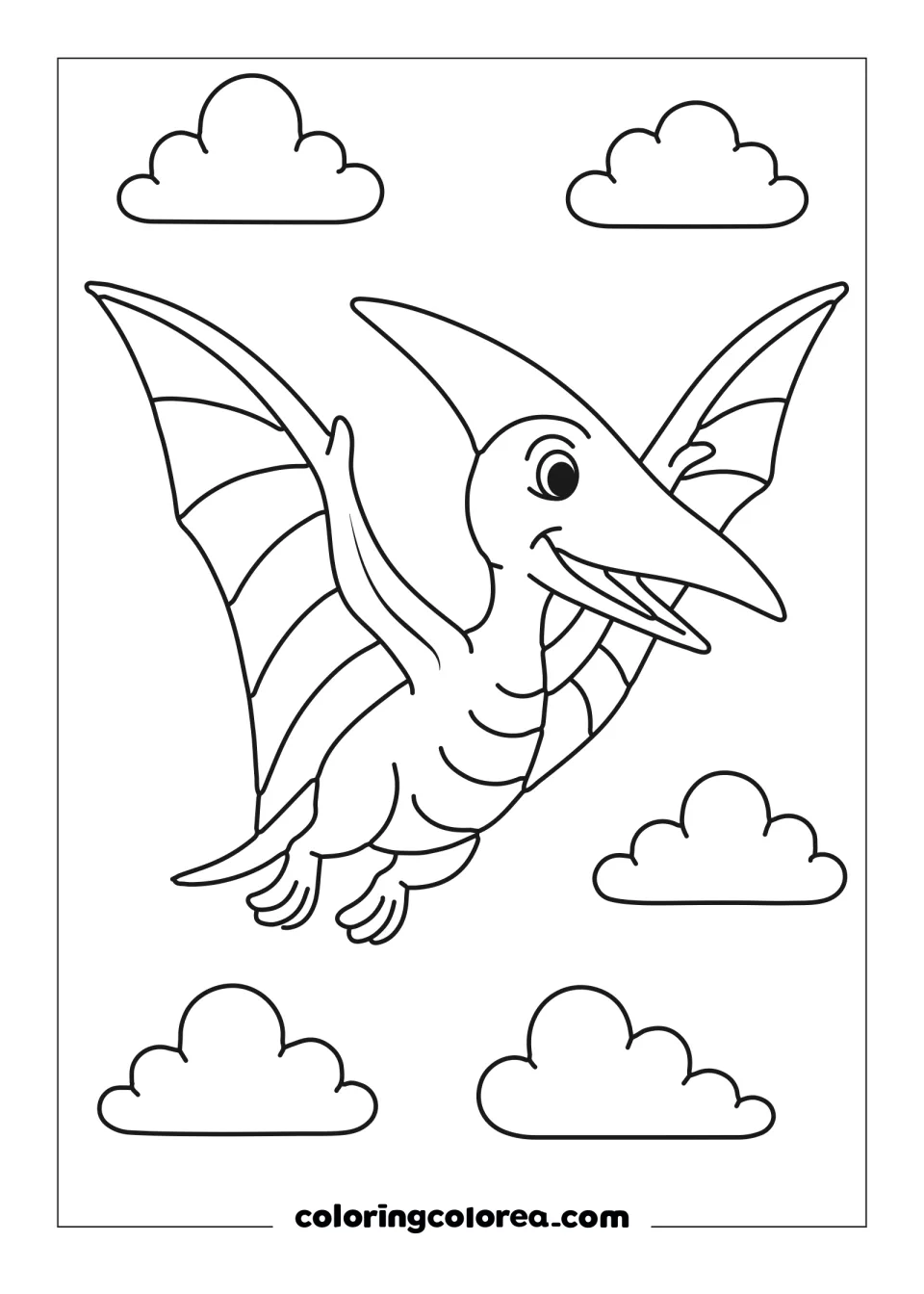
This flying pterodactyl glides between round, puffy clouds with a big smile. Download the free PDF of this super simple page, perfect for little beginners.
Printable sheet
Free for personal and educational use
Download PDFPrintPterodactyl with outstretched wings, a head crest and a long beak flying among five puffy clouds.
Fill the sky with light blue around the clouds and leave them white.
Fold a paper airplane and watch how it glides.
Its body was covered in a fuzzy coat of hair-like fibers called pycnofibers.
A flying pterodactyl was quite a sight, but how did a reptile get into the sky? Pterosaurs were the first animals with backbones to truly fly. They did it long before birds or bats came along.
Their wings had no feathers. They were made of thin, tough skin. That skin stretched from the body out to one very long finger on each hand. Imagine if your pinky finger were longer than your whole arm! That's how a pterosaur wing worked.
To fly, you need to be light. Their bones were hollow, with very thin walls. They also had strong chest muscles to flap those wings. Scientists think they took off by pushing up with their arms, like a giant push-up jump. Then they started to flap.
Once it was up high, a pterodactyl could glide on the wind without getting tired, just like a seagull at the beach. Flying helped it find food, such as small fish near the shore. It also helped it get away from hungry animals. These flyers lived about 150 million years ago. Today we know them from fossils, and some fossils even show the shape of the wings.
 The Fossil Lost in the WarDinosaurs · Hard
 A Rare and Elegant Plant EaterDinosaurs · Medium
 Myths and Facts About a Crested DinosaurDinosaurs · Medium
 Why Sauropods Grew So HugeDinosaurs · Medium
 A Prehistoric Trumpet by the WaterDinosaurs · Medium
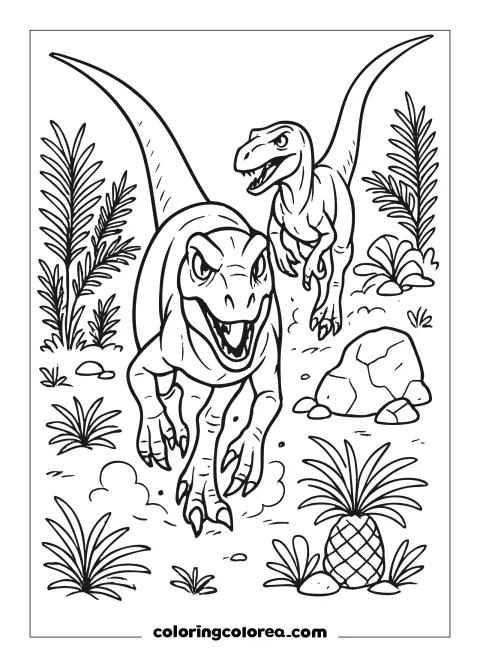 Two Hunters on the RunDinosaurs · Medium
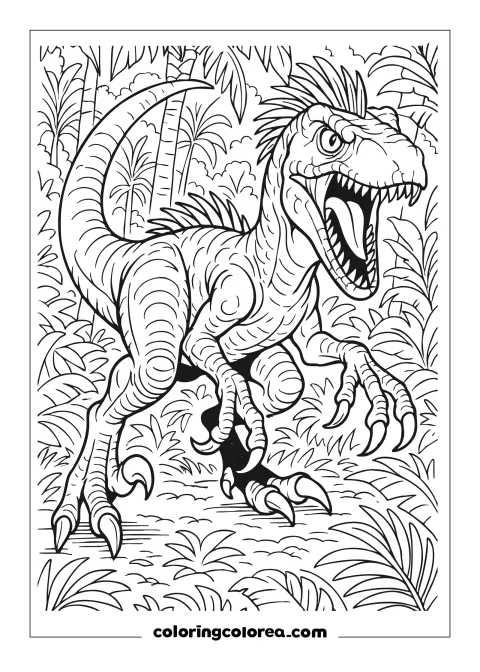 A Hunter in the Dense LeavesDinosaurs · Hard
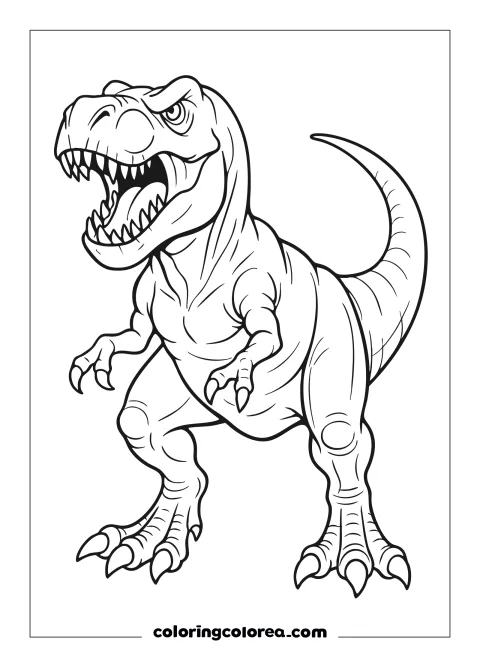 King of the Tyrant LizardsDinosaurs · Medium