
Printable sheet
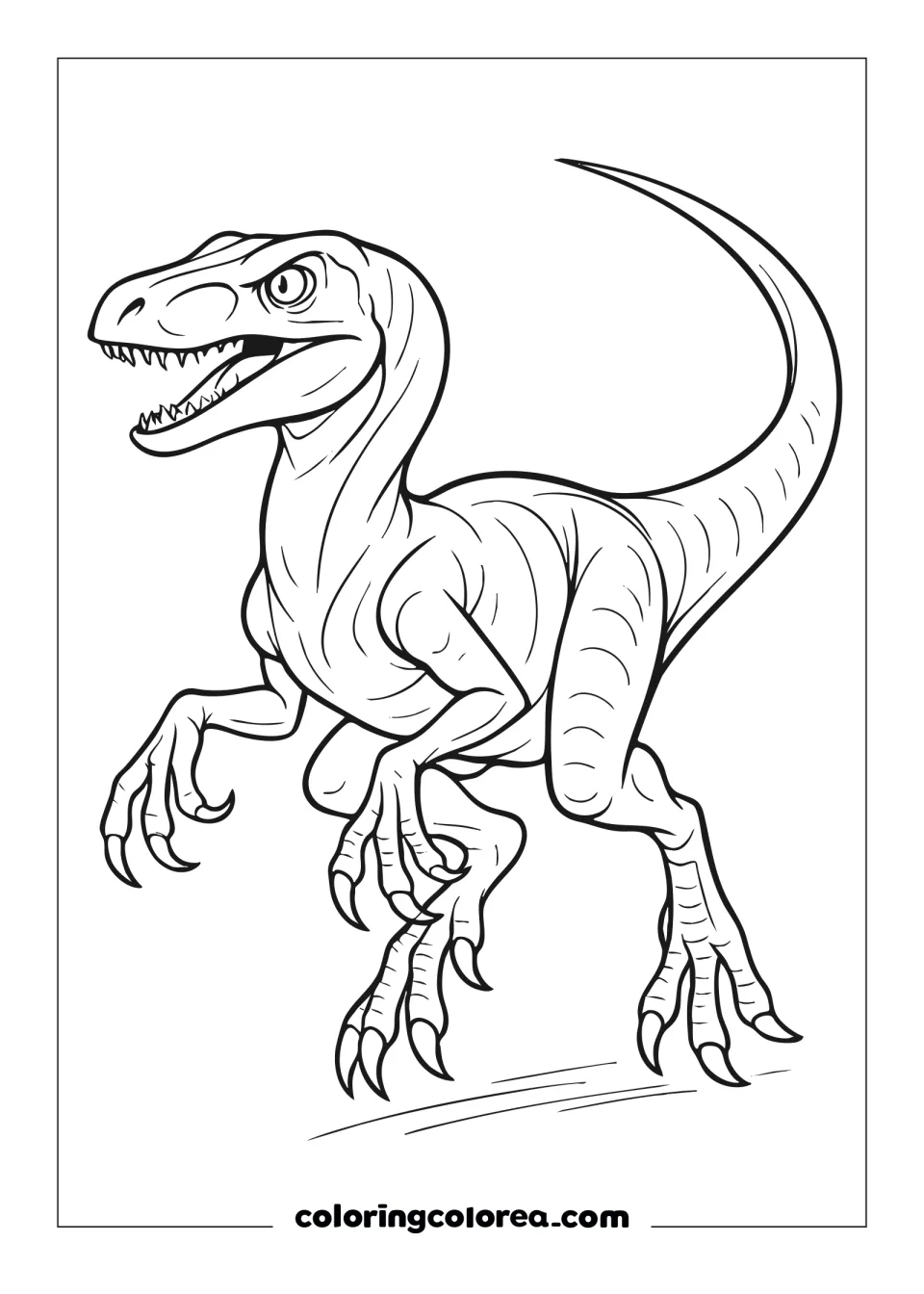
This running velociraptor flashes sharp teeth and curved claws at full speed. Get the free PDF of this action-packed dinosaur page and color it your way.
Printable sheet
Free for personal and educational use
Download PDFPrintFull-body velociraptor mid-stride with sharp teeth, long curved claws and a raised tail.
Try dark stripes or spots along the back for a camouflage look.
Draw what you think this dinosaur is chasing.
Close relatives preserved with feathers in China back up the idea that it was feathered as well.
If you could watch a running velociraptor, the first thing you would notice is the big curved claw on each foot. That sickle-shaped talon was held off the ground as it moved, so it stayed sharp and ready for action, like a switchblade waiting to flick open.
For years, people assumed the claw sliced prey wide open. Later tests with a robotic replica suggested it was better at puncturing than cutting. Many scientists now think it worked more like the talons of a hawk or an eagle, pinning a victim down while the hunter held on with its body weight.
The most dramatic evidence came out of Mongolia's Gobi Desert in 1971. It's called the Fighting Dinosaurs fossil, and it shows a velociraptor and a Protoceratops locked in combat. The raptor's claw is jammed against its opponent's neck, while its arm is caught in the other animal's beak. A collapsing sand dune likely buried them in the middle of the fight.
To stay balanced while cornering at speed, this hunter had a stiff tail braced by bony rods, which helped it turn sharply without tipping over. That frozen moment of combat is still one of the most famous fossils anywhere, a real snapshot from about 75 million years ago.
 The Fossil Lost in the WarDinosaurs · Hard
 A Rare and Elegant Plant EaterDinosaurs · Medium
 Myths and Facts About a Crested DinosaurDinosaurs · Medium
 Why Sauropods Grew So HugeDinosaurs · Medium
 A Prehistoric Trumpet by the WaterDinosaurs · Medium
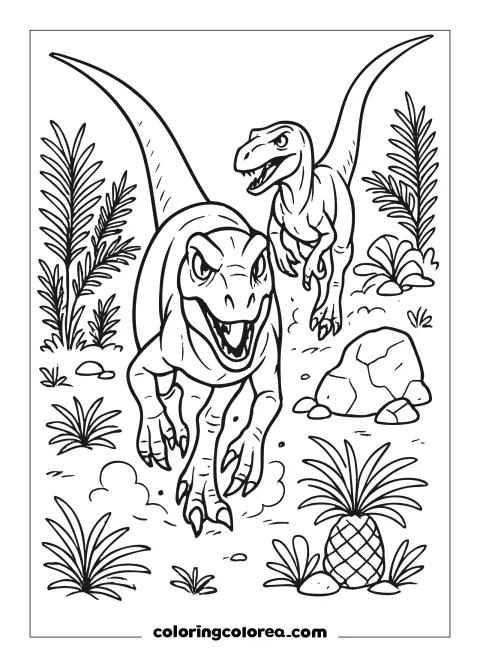 Two Hunters on the RunDinosaurs · Medium
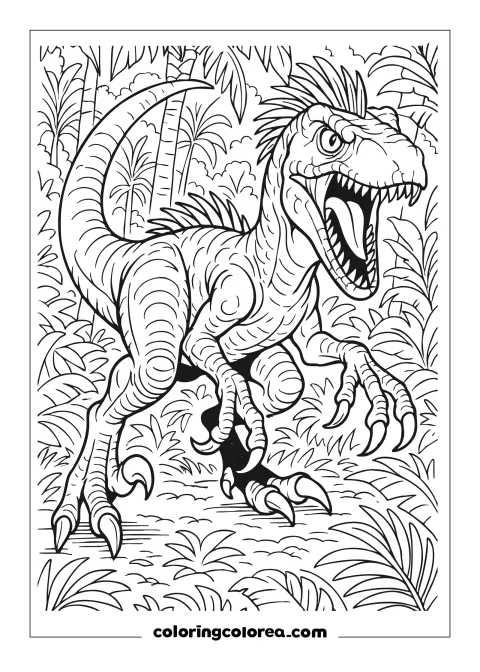 A Hunter in the Dense LeavesDinosaurs · Hard
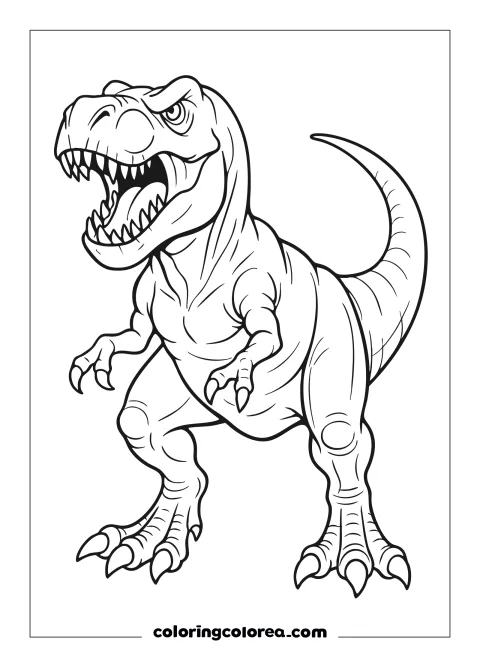 King of the Tyrant LizardsDinosaurs · Medium