
Printable coloring page
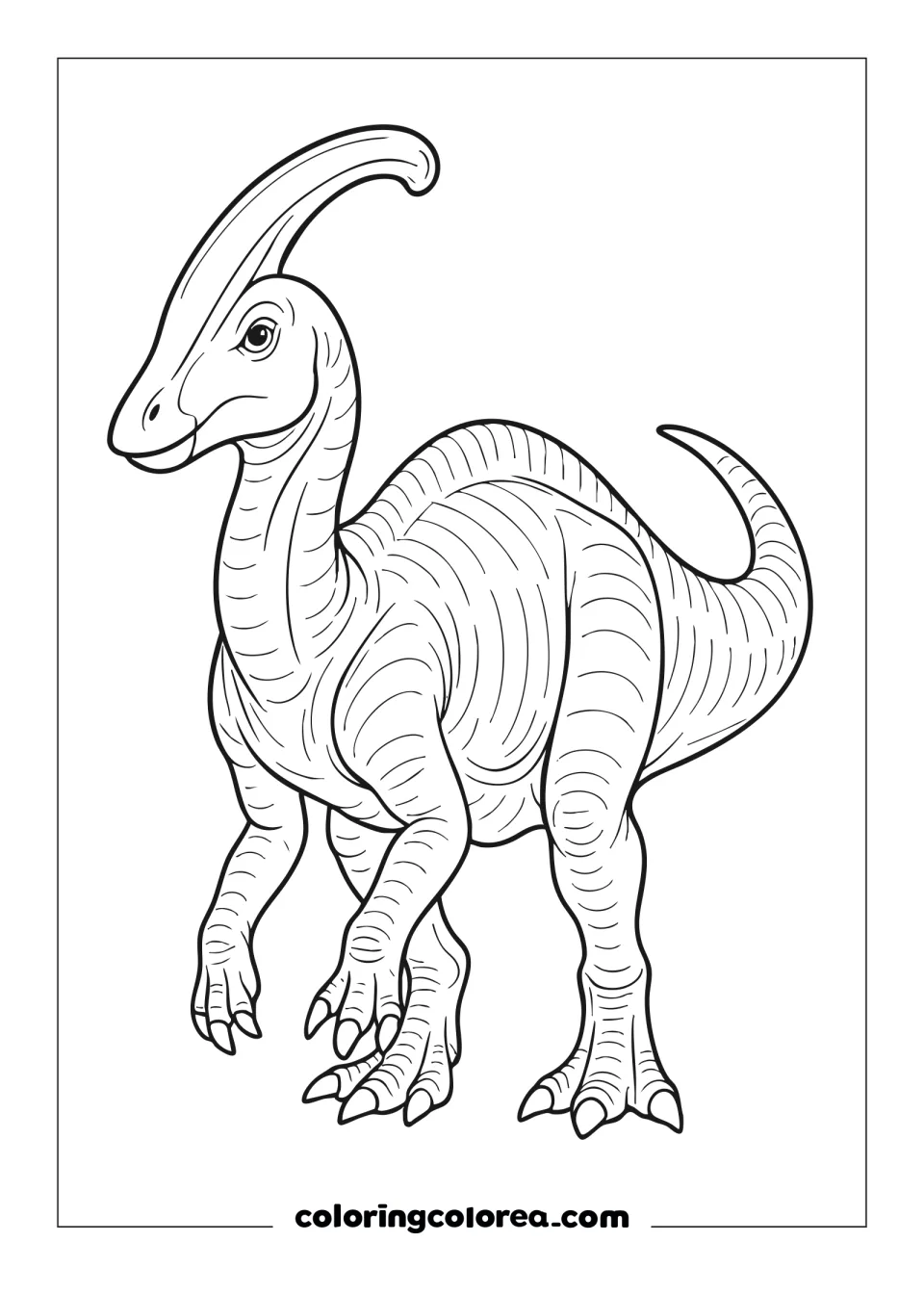
This detailed parasaurolophus shows off its long crest and textured skin. Get the free PDF of this clean page with no background and make it all your own.
Printable coloring page
Free for personal and educational use
Download coloring page (PDF)PrintColor it in your browser, no sign-up needed. Your progress is saved on this device.
Full-body parasaurolophus with a long curved crest, finely lined skin and a plain background.
Add your own background with soft colored pencils.
Draw a Cretaceous landscape around the dinosaur.
Scientists have described three species of this dinosaur.
Even though it's a fan favorite, the detailed parasaurolophus you see in books comes from surprisingly few fossils. It's one of the rarest members of its family, with only a handful of specimens ever found. That's pretty wild for an animal this famous.
The first one, a nearly complete skeleton, was found in 1920 along the Red Deer River in Alberta, Canada, and named two years later. Fossils of two other species later turned up in New Mexico and Utah. The name means near Saurolophus, a nod to a crested dinosaur that was thought to be a close relative.
Why so few? One idea is that it lived on higher ground, far from the rivers and swamps where bodies get buried quickly and turn to fossils. It might also have just been less common than other duck-bills. What we find in the rocks depends a lot on where an animal happened to die.
It reached about 30 feet long and weighed several tons. It could walk on two legs to get around quickly, or drop down on all fours to eat low plants. In 2009, a baby nicknamed Joe was found in Utah, and it showed that the crest started growing early in life, unlike those of other crested dinosaurs.
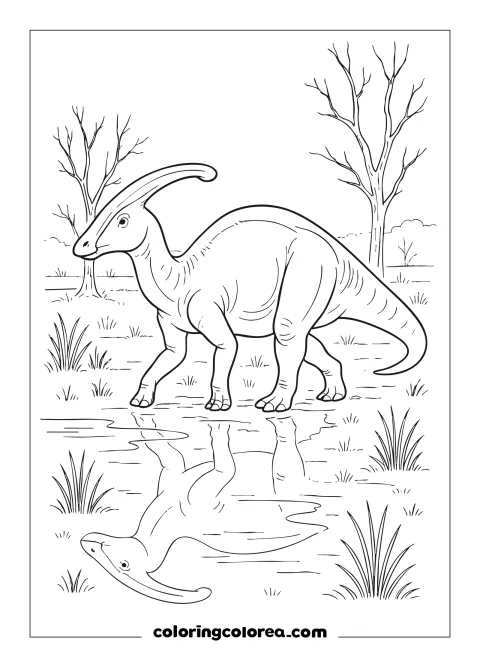 A Prehistoric Trumpet by the WaterDinosaurs · Medium
 Two Crested Friends at the WaterDinosaurs · Medium
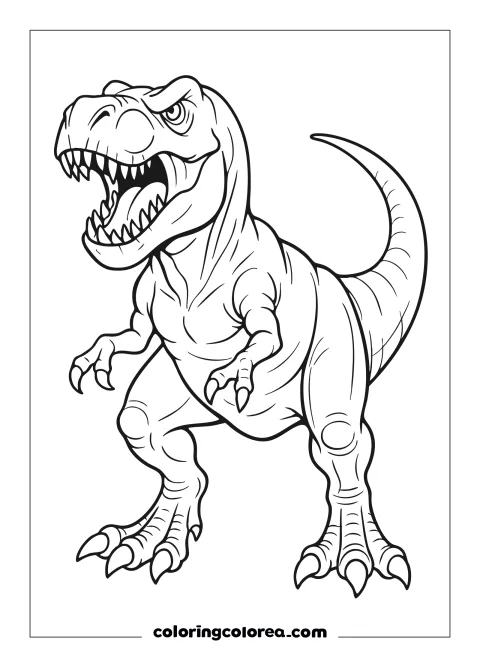 King of the Tyrant LizardsDinosaurs · Medium
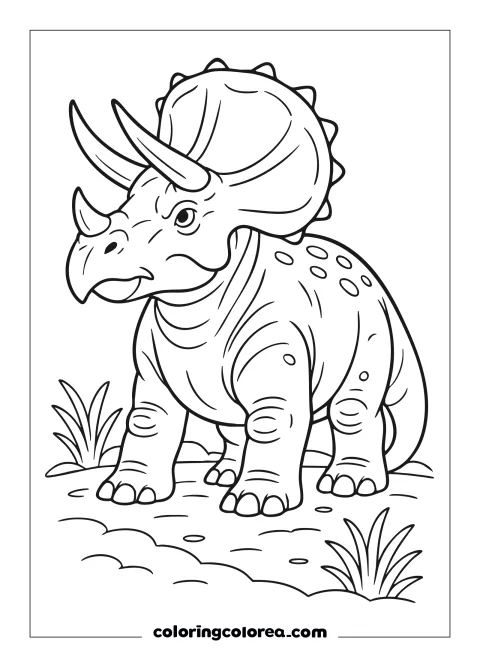 Three Horns and One Great StoryDinosaurs · Medium
 The Fossil Lost in the WarDinosaurs · Hard
 A Sunny Day With a GiantDinosaurs · Easy
 The Claw Shaped Like a SickleDinosaurs · Medium
 Myths and Facts About a Crested DinosaurDinosaurs · Medium