
Printable sheet
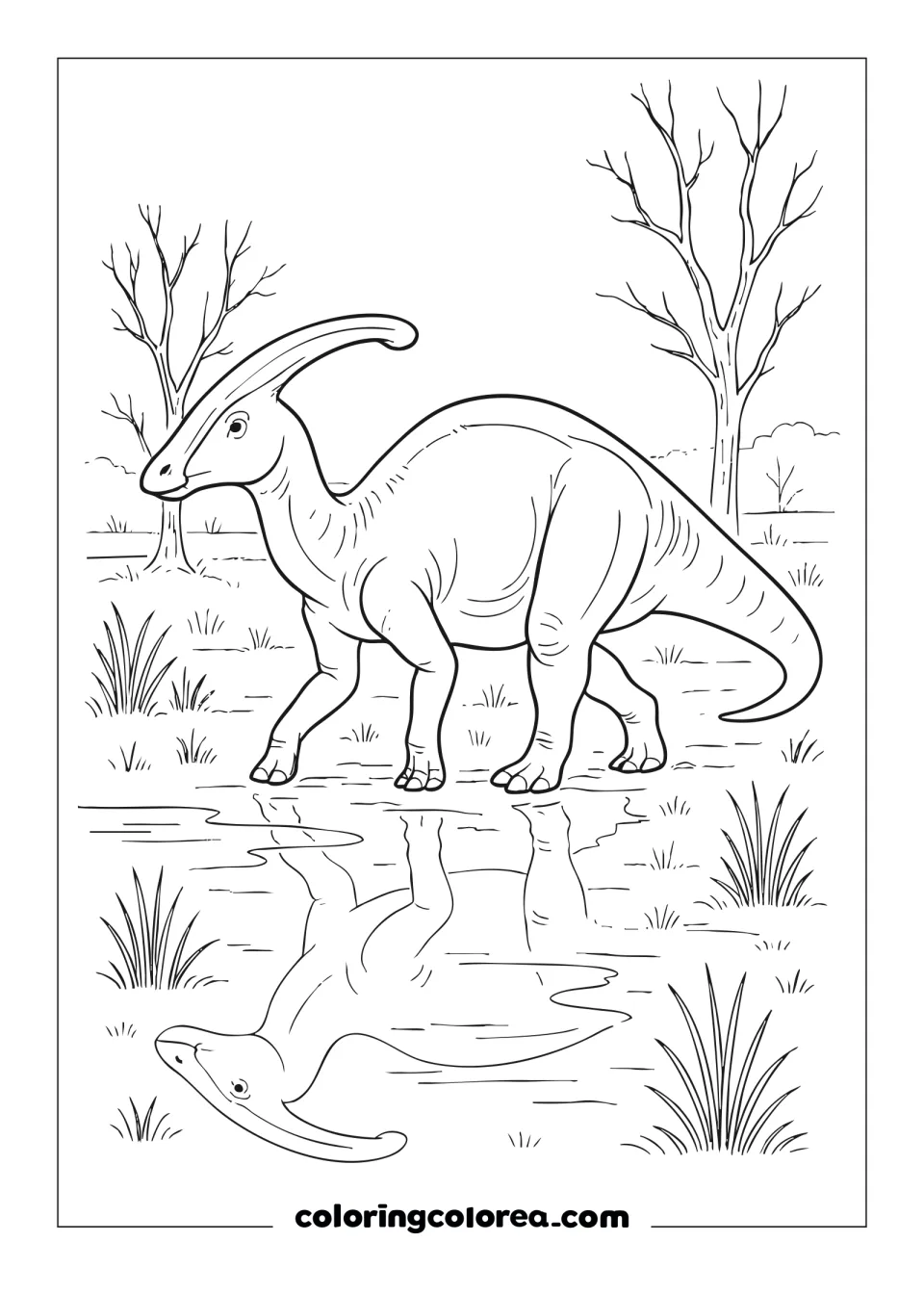
This parasaurolophus reflection scene shows a crested dinosaur wading past bare trees. Get the free PDF of this calm, fine-line page and color it slowly.
Printable sheet
Free for personal and educational use
Download PDFPrintFine-line parasaurolophus wading through a pool, its reflection in the water, grass tufts and two bare trees.
Repeat the same colors in the reflection, only softer and bluer.
Blow through a cardboard tube and listen to how the sound changes.
In the largest adults, the crest could stretch nearly six feet long.
The star of any parasaurolophus reflection is that long crest sweeping back from the head, a feature that has puzzled scientists for a century. It wasn't solid. Inside, hollow tubes ran from the nose up to the tip and back down again, a lot like the slide on a trombone.
Early ideas were all over the place. Some thought it worked as a snorkel, others as an air tank or a way to push through branches. None of them held up. Fossils showed there was no opening at the end of the crest, so the snorkel idea was out.
In the 1990s, researchers at a New Mexico lab scanned a beautifully preserved skull and built a computer model of those inner tubes. Then they simulated what would happen when air moved through them. What came out was a low, deep sound, something like a foghorn or a French horn, that could carry a long way.
That points to dinosaurs calling to each other across the landscape, perhaps to warn of danger or attract a mate. The crest also varied by age and species, so it may have helped them recognize each other on sight. Picture a herd bellowing across a marsh, and you get a concert nobody has heard in 75 million years.
 The Fossil Lost in the WarDinosaurs · Hard
 A Rare and Elegant Plant EaterDinosaurs · Medium
 Myths and Facts About a Crested DinosaurDinosaurs · Medium
 Why Sauropods Grew So HugeDinosaurs · Medium
 Two Hunters on the RunDinosaurs · Medium
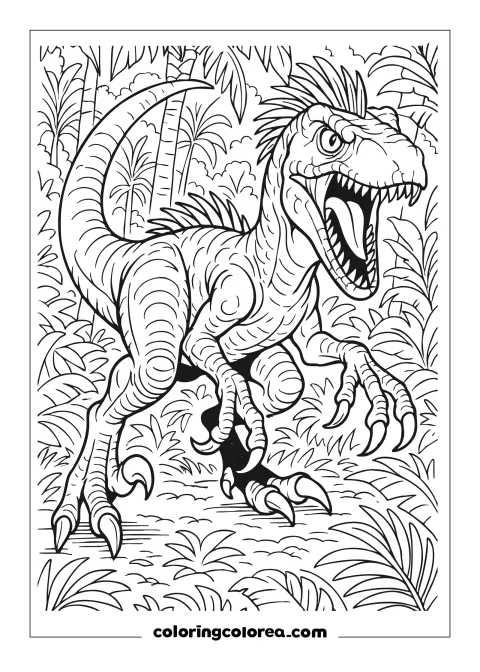 A Hunter in the Dense LeavesDinosaurs · Hard
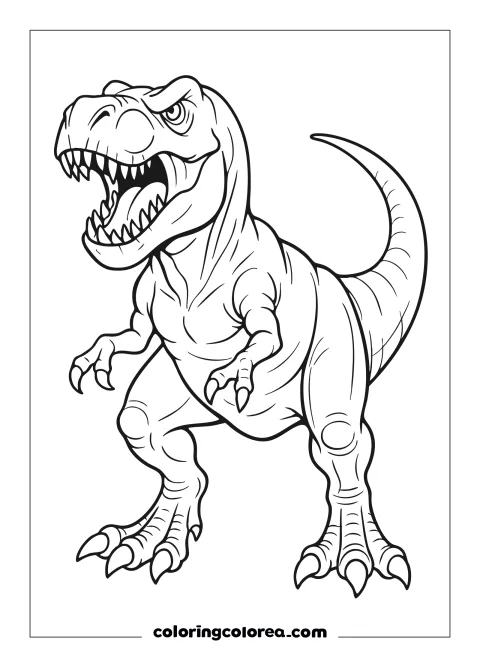 King of the Tyrant LizardsDinosaurs · Medium
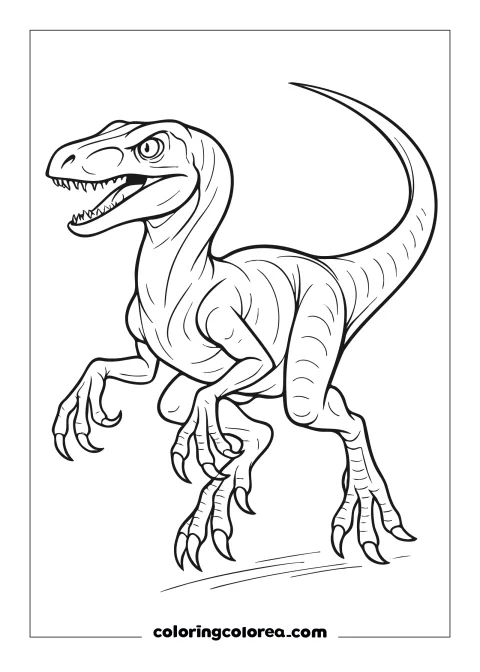 The Claw Shaped Like a SickleDinosaurs · Medium