
Printable coloring library
Joy, sadness, anger, surprise and fear: coloring pages that also help put a name to what we feel.
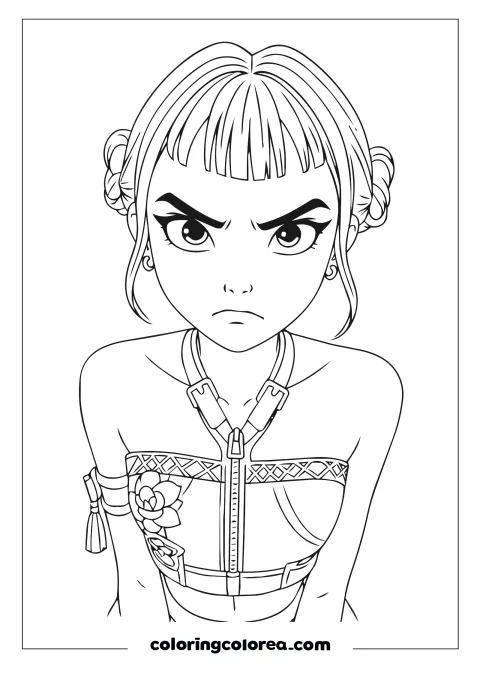 Zoey Frowning and Fired UpTV shows · Easy
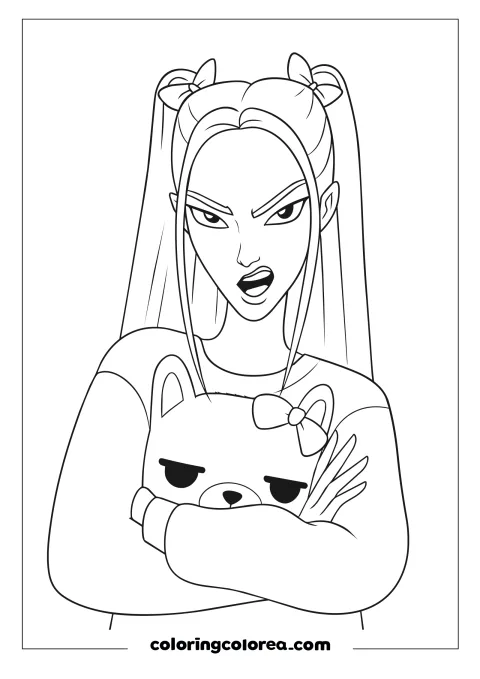 Angry Mira Hugging a Grumpy PlushTV shows · Medium
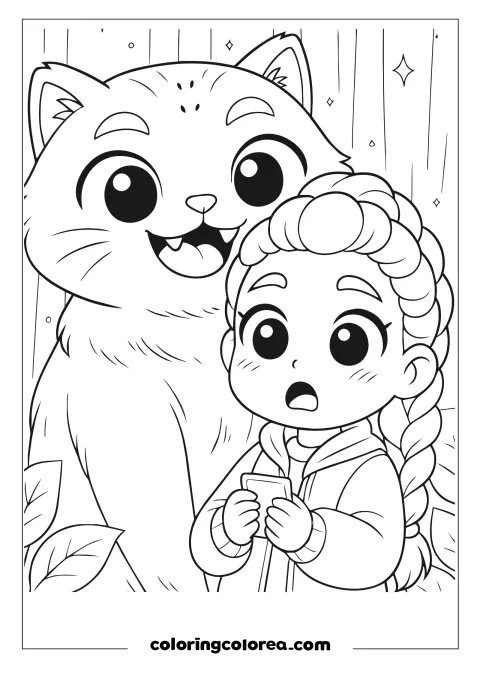 Surprised Chibi Rumi and a Giant CatTV shows · Easy
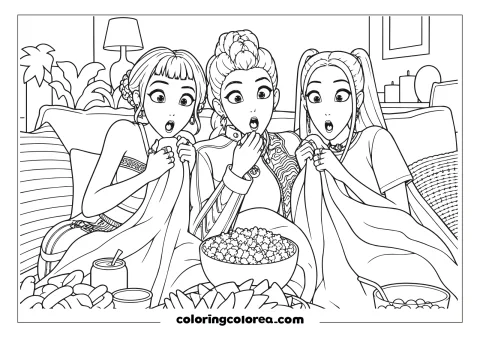 Zoey, Rumi and Mira Scared on the SofaTV shows · Hard
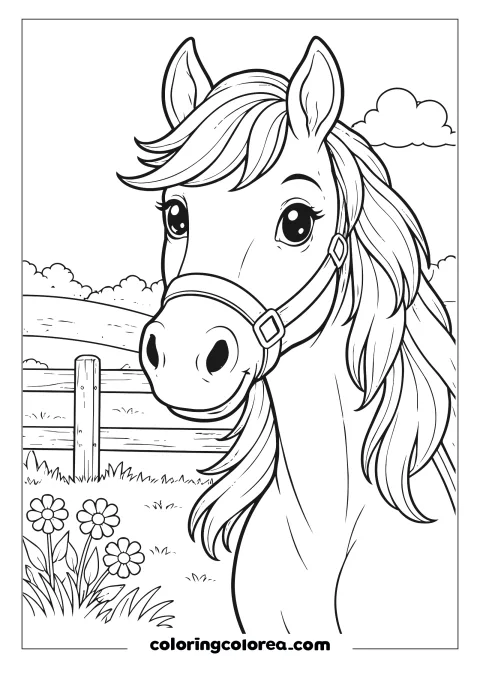 Smiling Cartoon HorseFarm · Easy
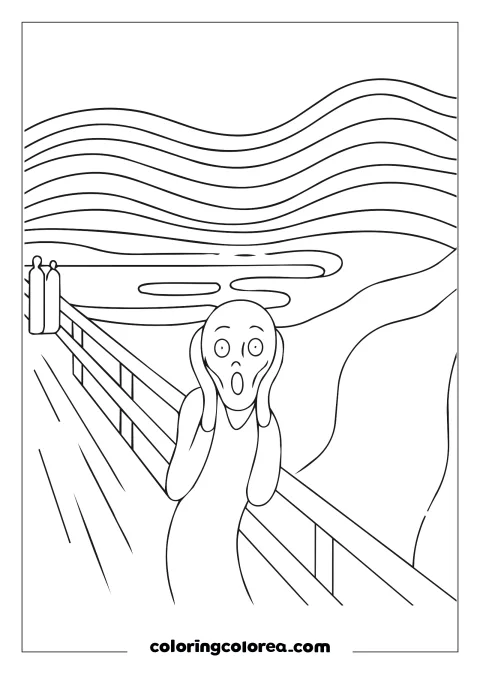 A Scream Through NatureArt · Easy
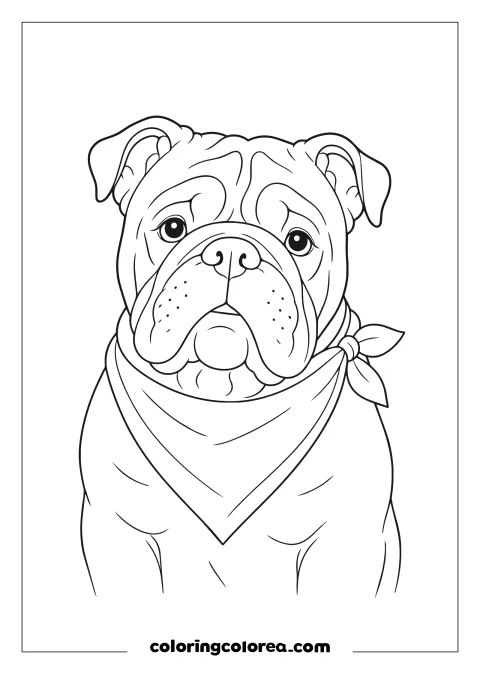 Bulldog in a BandanaPets · Medium
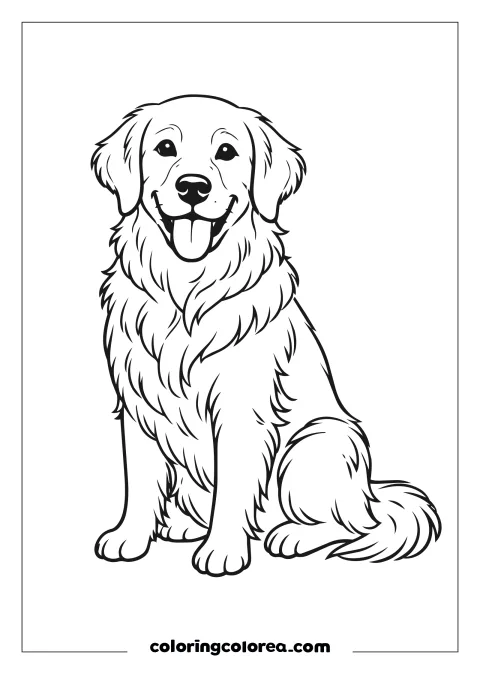 Happy Golden SmilePets · Medium
 Two Sides of Our PlanetEducational · Medium
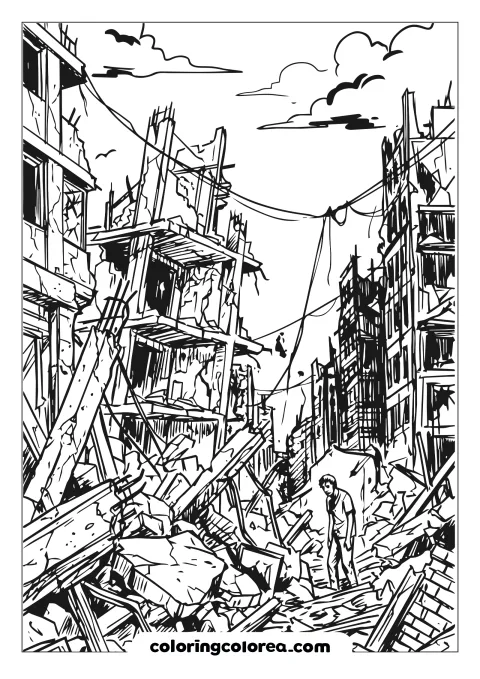 Walking Through a Broken CityEducational · Hard
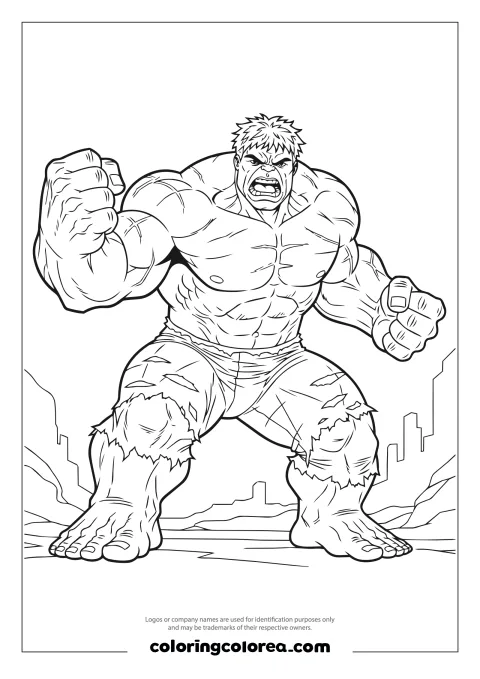 Hulk Roars with His Fist RaisedSuperheroes · Medium
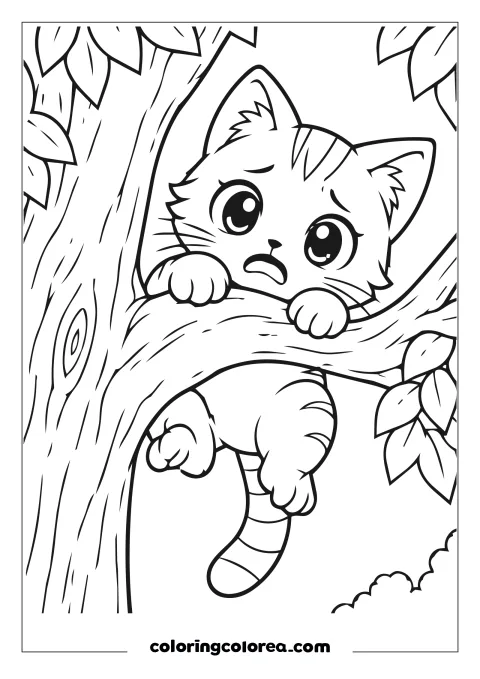 Worried Kitten Hanging from a BranchPets · Medium
 A Steady Stare and a Lot of FrecklesPrincesses and Princes · Easy
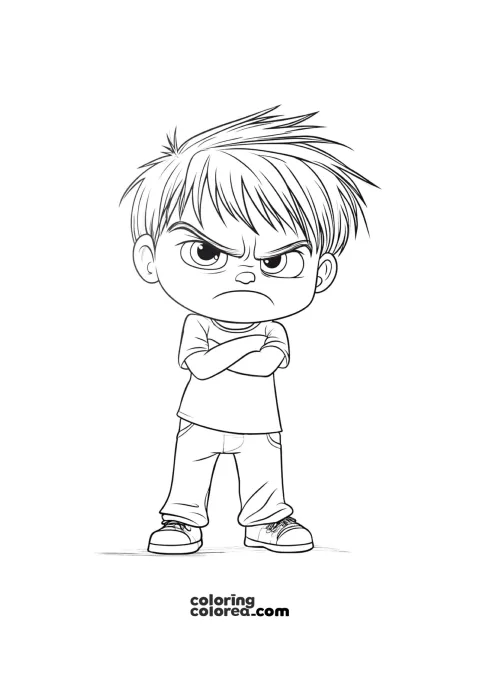 I am angryEducational · Medium
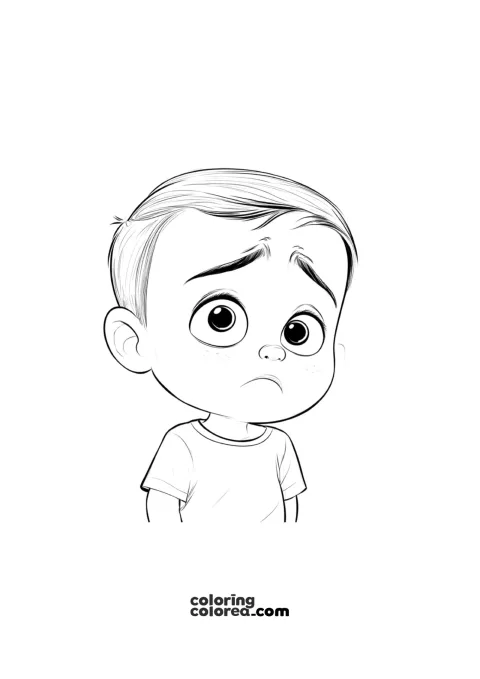 Emotions: sadnessEducational · Easy
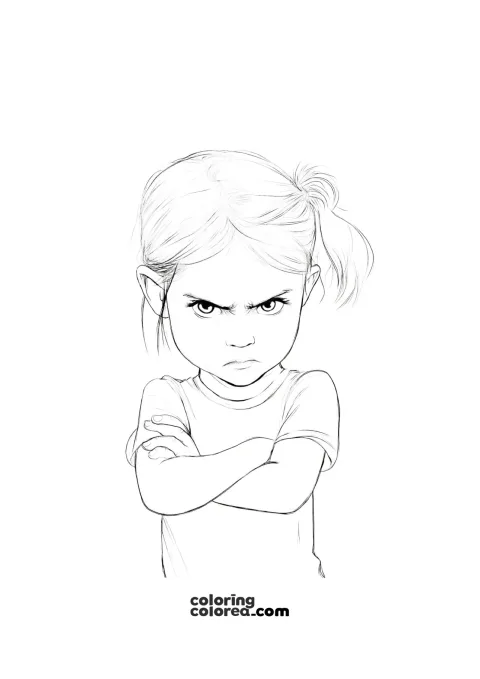 Emotions: angerEducational · Easy
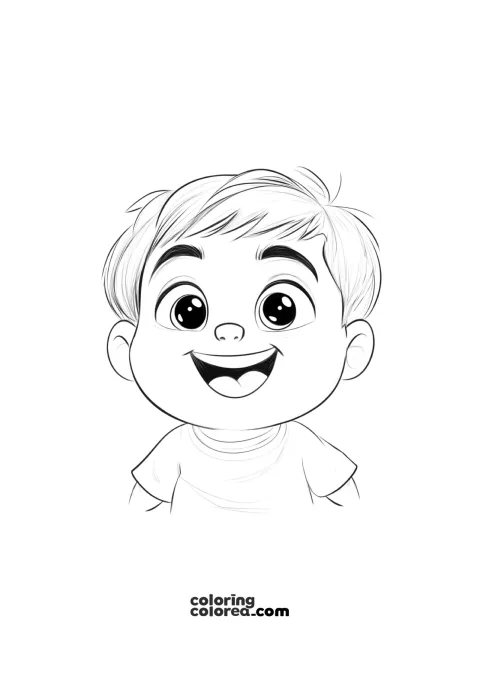 Emotions: HappinessEducational · Easy
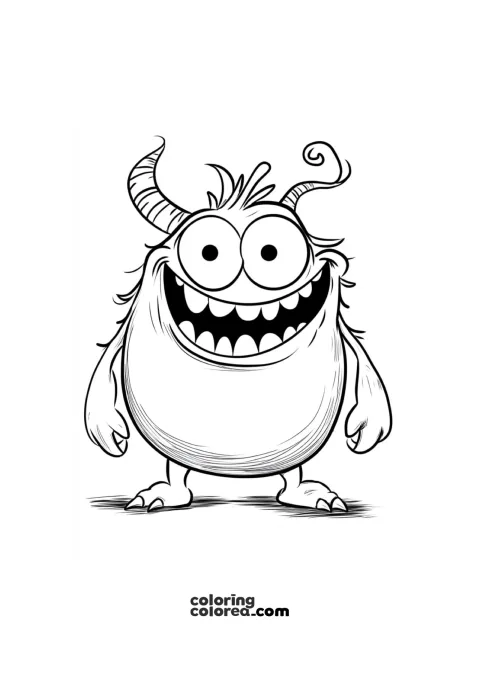 You don't scare meHalloween · Easy
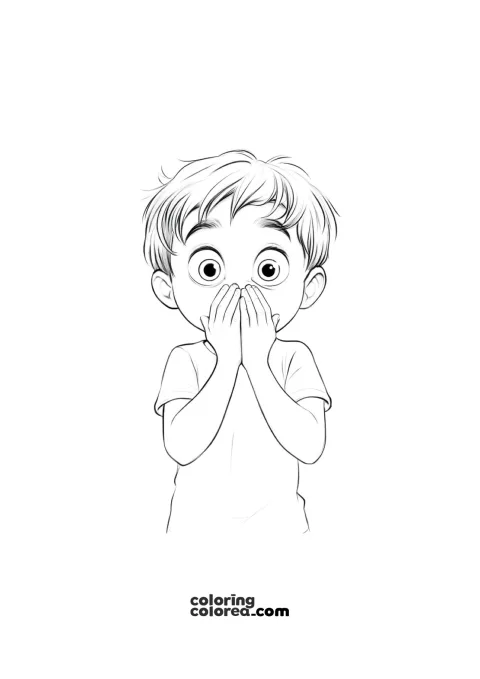 Emotions: surpriseEducational · Easy
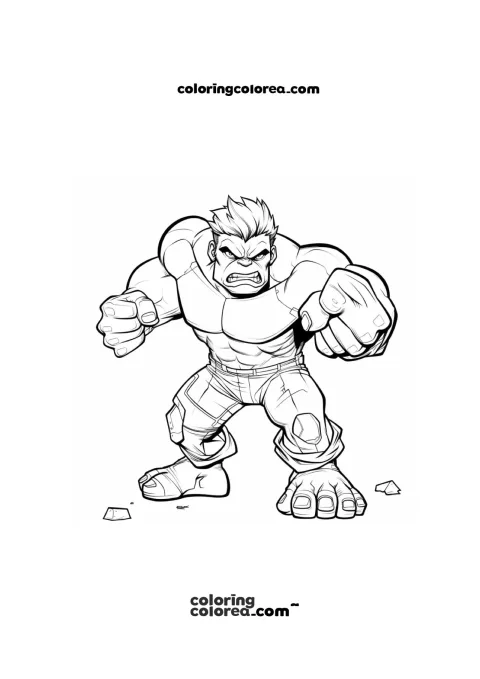 Angry Hulk ready to smashSuperheroes · Easy
The collection includes a series dedicated to basic emotions, with sheets for happiness, sadness, anger and surprise, plus others such as I am angry and You don’t scare me. It is rounded out by characters showing a very clear emotion: an angry Hulk, a frightened kitten hanging from a branch, Zoey frowning, a surprised Rumi and Mira hugging a grumpy plush toy. For older children there is A Scream Through Nature, inspired by a famous painting.
Most sheets are easy or medium. They work as support at home or in class to start a conversation, not as a substitute for professional help when it is needed.
This collection contains 20 Emotions coloring pages ready to download and print. Check the age and difficulty filters to choose a suitable sheet before opening its page.
This collection contains 20 emotions coloring pages as A4 PDFs. There are sheets for each basic emotion and character scenes that show feelings through very clear expressions.
Every page includes a follow-up activity, useful for families, teachers and anyone working on social and emotional learning.
There are sheets for ages 2 to 3 through ages 11 to 14. With younger children, start with large faces and a single emotion per page. With older kids, use scenes with several characters and ask what each one feels and what happened just before.
Draw a thermometer on card and stick the colored sheets from low to high intensity: calm, surprise, sadness, anger. Each day the child can point to where they are and say what would help them feel better.
The four in the Emotions series are happiness, sadness, anger and surprise. Fear appears in You don’t scare me, in the frightened kitten and in the heroines hiding on the sofa.
Before coloring, ask what the character might be feeling and why. Afterwards, invite the child to remember a time they felt the same. The sheet becomes a low-pressure way in.
Mainly children aged 4 to 7, who are learning to recognise and name emotions. A few more detailed sheets suit ages 8 and up better.
Yes. Keep printed sheets for each emotion so a child can pick the one that matches how they feel and color it while they settle.
It is not necessary. Many children link red to anger or blue to sadness, but it is worth asking which color they choose and why.
Yes: an angry Hulk, the heroines of KPop Demon Hunters in moments of anger, fright or surprise, and several animals with very expressive faces.
Calm coloring helps some children bring the intensity down. Offer it as an option without insisting, and talk about the anger once they feel calmer.
A Scream Through Nature has more detail and a clear art reference. It can also open a conversation about anxiety or feeling overwhelmed with older kids.
Color the four basic emotions, cut them out and use them as cards: one child acts out an emotion with their face and the others guess which one it is.
After reading a story, choose the sheet that best matches how the main character felt at the beginning and at the end. It shows that emotions change.